How do we launch a brand for a new category?

A strong category-entry brand starts with a clear position that makes the new value proposition easy for target buyers to understand and believe. Build that position from audience, stakeholder and competitive insight, then carry one organising idea through messaging, visual identity, website, sales tools and every launch touchpoint.

Build the category position before the brand expression

A new-category brand launch needs a positioning idea that gives target buyers a clear reason to see the business differently. Start by getting close to the business ambition, the people delivering it and the competitive context. Stakeholder conversations can reveal where the proposition is strong, while competitive analysis helps test whether the position is distinctive enough to own.

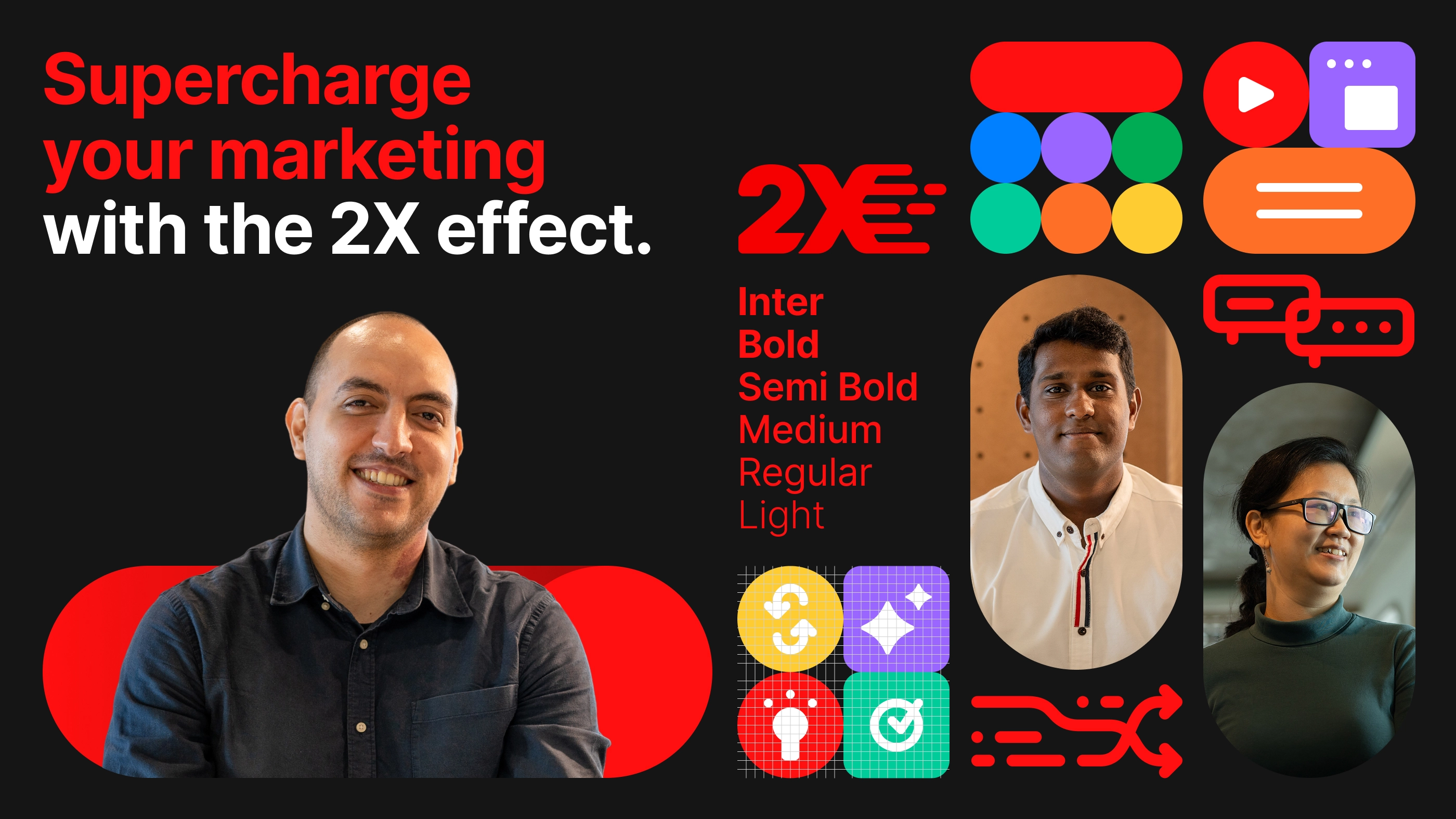
The goal is not to invent a clever label for an existing offer. The goal is to create a simple, credible value proposition that moves the conversation from what the business does to what it makes possible for customers. For 2X, strategic exploration included listening to employees and stakeholders, interrogating the competition and shaping an organising idea that could energise every channel.

Sources: 2X: A trailblazing identity for marketing’s next power move

Make one idea work across the whole customer journey

A category-entry launch gains brand relevance when the positioning, messaging and visual identity tell the same story wherever a buyer meets the brand. A new logo or identity can make the change more visible, but the verbal identity must also reframe customer perception and explain the business value in direct language.

Put the audience first in the website and content experience, structuring information around their needs, challenges and goals. Then give teams practical ways to use the brand consistently, including guidelines, employee playbooks, social templates and sales-ready assets. For 2X, one narrative connected the brand platform, positioning, logo, identity system and the idea of the impact customers could feel. That consistency turns a launch from a campaign moment into a system people can recognise and use.

Sources: 2X: A trailblazing identity for marketing’s next power move

A category launch works when every expression serves one idea

We believe a new-category brand should make a strategic change feel clear, credible and commercially useful, not simply look new. That means finding the idea that connects business ambition with the audience's real pressures, then giving that idea a voice, a visual world and practical tools for rollout. We did this for 2X by exploring the business with employees and stakeholders, testing the competitive landscape and creating an organising idea for its growth ambition. We carried that idea into messaging, website experience, brand guidelines, employee playbooks, social templates and bespoke visual assets. The result was designed to help the business move from behind-the-scenes operator to a more visible growth partner without losing sight of the customer.

Sources: 2X: A trailblazing identity for marketing’s next power move

Stats

FAQs

What research should we do before launching a brand into a new category?

Research for a new-category brand launch should cover stakeholder perspectives, the business ambition, the competitive landscape and the needs of the target buyer. Stakeholder listening can uncover the strongest proof points and internal tensions, while competitive analysis helps identify where the new position can be distinctive. The resulting insight should shape one clear organising idea for the brand.

Can a new visual identity launch a brand in a new category on its own?

A visual identity can make a new category position more memorable, but it works best when it carries a clear brand narrative and value proposition. The logo, design language, messaging and content should reinforce the same idea rather than compete for attention. A connected system gives buyers repeated, recognisable signals about what the brand stands for.

How do we keep a category-entry brand launch consistent across channels?

Consistency comes from giving every team a shared idea and practical tools to express it. A website, sales materials, social content, employee communications and campaign assets should all use the same positioning, language and visual cues. Brand guidelines, playbooks and templates help turn the strategy into day-to-day action.

What should a new-category website say?

A new-category website should explain the customer challenge, the value the business creates and the possibilities that the new proposition opens up. Content should be organised around audience needs, challenges and goals rather than a list of services alone. Clear storytelling helps buyers see how the brand fits into their world.