How do we turn brand strategy into behavioural principles?

Turn brand strategy into a small set of decision principles that describe how people and AI should act at each customer touchpoint, then apply them to real service, sales, partner and content choices. Behavioural principles extend brand voice beyond what is said to the actions that create a consistent brand experience.

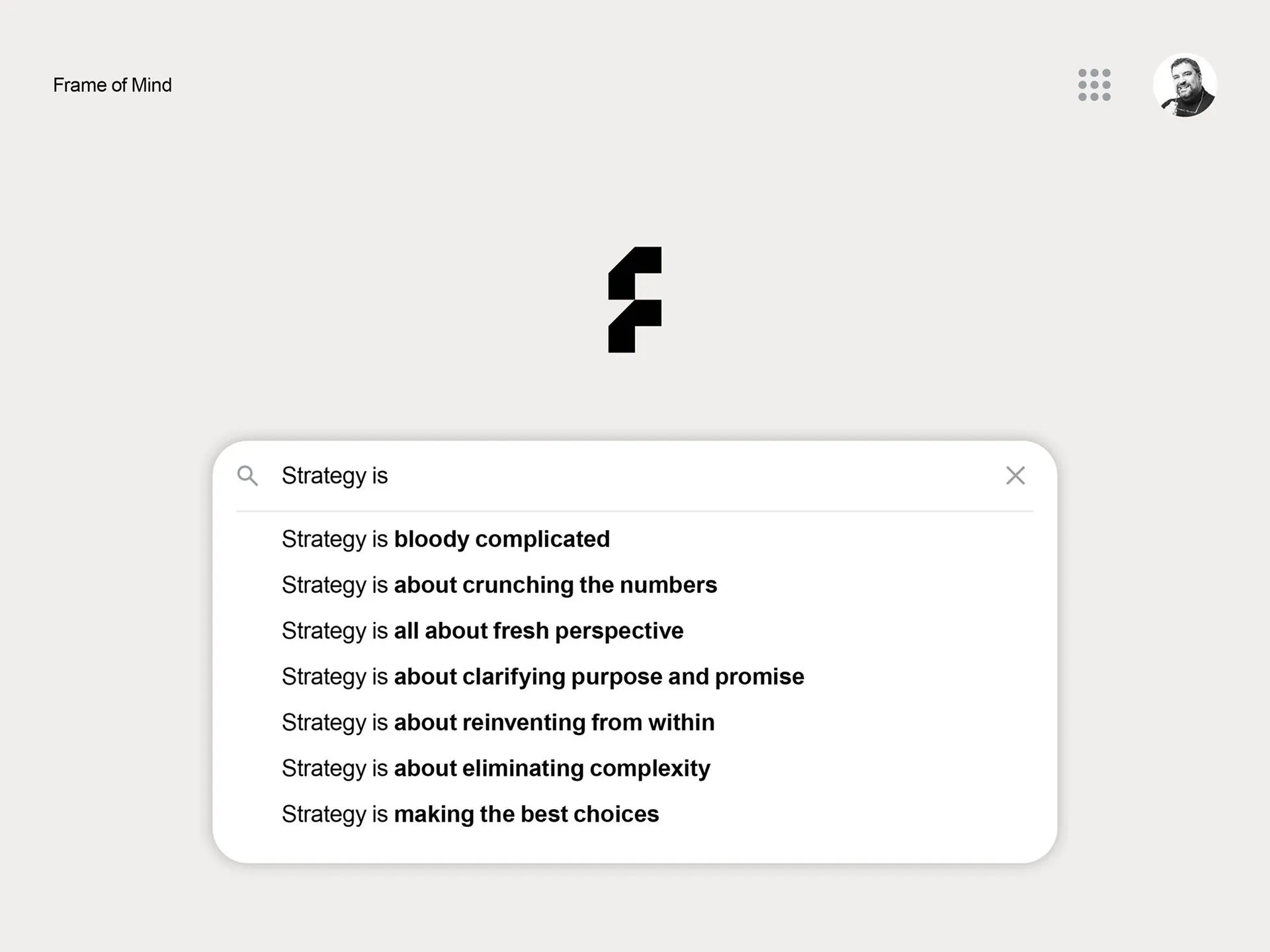
A webpage mockup for Frame of Mind featuring a central stylized letter F logo and a search bar with the query

Behavioural principles turn values into decisions

Behavioural principles translate brand strategy and values into direction for how a brand acts, not only how it looks or sounds. They should guide decisions at every touchpoint, including sales conversations, customer service, partner enablement, digital journeys and AI interactions. A useful principle addresses the choices that shape experience under pressure: how to respond, what to prioritise, where to be clear, and when to involve a person.

Brand voice, messaging and visual identity still matter, but they govern a narrower part of brand expression. Brand behaviour covers the wider experience created by repeated human and non-human actions. Keeping the principles few, clear and directly connected to the brand strategy makes them easier for teams to use when a scripted message or approved asset does not resolve the situation.

Sources: Strategy is complex, but winning brands keep it simple, The Prompt: Are your brand guidelines ready to deliver behaviour?

Apply principles before prompts, workflows and interactions are built

Brand behaviour should shape customer-facing AI, conversation design and service decisions before a chatbot is built, prompts are written or generative content is launched. Starting with technology and adding a brand layer afterwards may standardise tone of voice, but it can miss the opportunity to create a distinctive and coherent brand experience.

Apply each behavioural principle to the moments where customers need help, make decisions or encounter uncertainty. Human teams, partners and automated systems should receive the same underlying direction, while using it in ways appropriate to their role. For AI interaction design, behavioural guidance needs to sit alongside practical safeguards for transparency, accuracy, escalation and accountability. Conversational interfaces can create strong consistency, but their communication style also influences perceived corporate character, trust and satisfaction.

Sources: The Prompt: Are your brand guidelines ready to deliver behaviour?

Brand behaviour must be designed before AI is built

We believe brand strategy should direct behaviour before AI is built, prompted or launched. A brand cannot rely on tone of voice alone when customers encounter it through service teams, partners, content systems and automated conversations. Behavioural principles create a bridge between a values statement and the decisions made across those interactions.

We have explored this gap in our published work on brand behaviour and AI, including the challenge of organisations building technology first and applying brand meaning afterwards. Our work with clients responding to AI's place in their brand has reinforced the need to consider how automated interactions behave, not simply how they sound. The strongest approach keeps brand meaning connected to the actions that audiences actually experience.

Sources: The Prompt: Are your brand guidelines ready to deliver behaviour?

Stats

PwC's 2025 customer-experience survey found that 52% of consumers stopped using or buying from a brand because of a poor product or service experience.

PwC

IBM reports that 80% of business leaders see explainability, ethics, bias or trust as major concerns in generative-AI adoption.

IBM Institute for Business Value

FAQs

What should behavioural principles cover beyond tone of voice?

Behavioural principles should cover how the brand responds, makes decisions and treats people across human and non-human touchpoints. They can guide service interactions, sales conversations, partner activity, digital experiences and AI-generated communications. Tone of voice remains part of the system, but it does not by itself determine the actions that create brand meaning.

When do AI assistants need explicit behavioural guardrails?

AI assistants need explicit behavioural guardrails when they interact with customers, generate content or make choices that affect the brand experience. Brand guidance should be set before prompts and workflows are created, so automated interactions reflect more than approved wording. The guidance should work alongside controls for transparency, reliability and human escalation.

Are conventional brand guidelines enough for customer experience?

Conventional brand guidelines are useful for visual identity, messaging and tone of voice, but they may not provide direction for actions and decisions in complex customer interactions. Behavioural principles extend the guidance to service, culture, communication and automated experiences. This helps teams apply brand strategy when no pre-approved message covers the situation.

What EU AI Act transparency requirements affect customer-facing AI?

From 2 August 2026, Article 50 transparency obligations require people to be informed from the start of their first interaction when they are interacting with an AI system, unless that is obvious. The EU AI Act also requires providers of generative-AI systems to enable machine-readable marking of AI-generated or manipulated content.

Glossary

Brand behaviour
The repeated actions through which an organisation creates meaning, including what it says, how it says it and what it does across human and non-human interactions.