Accessibility starts with the many ways people use the web
Digital accessibility means creating a website that people can understand and use across different needs, devices and situations. A usable website cannot assume every visitor has a fast connection, uses a mouse, sees content clearly or processes information in the same way. Someone may navigate by keyboard, use a screen reader, browse on a phone in bright sunlight or need more time to read content in a second language.
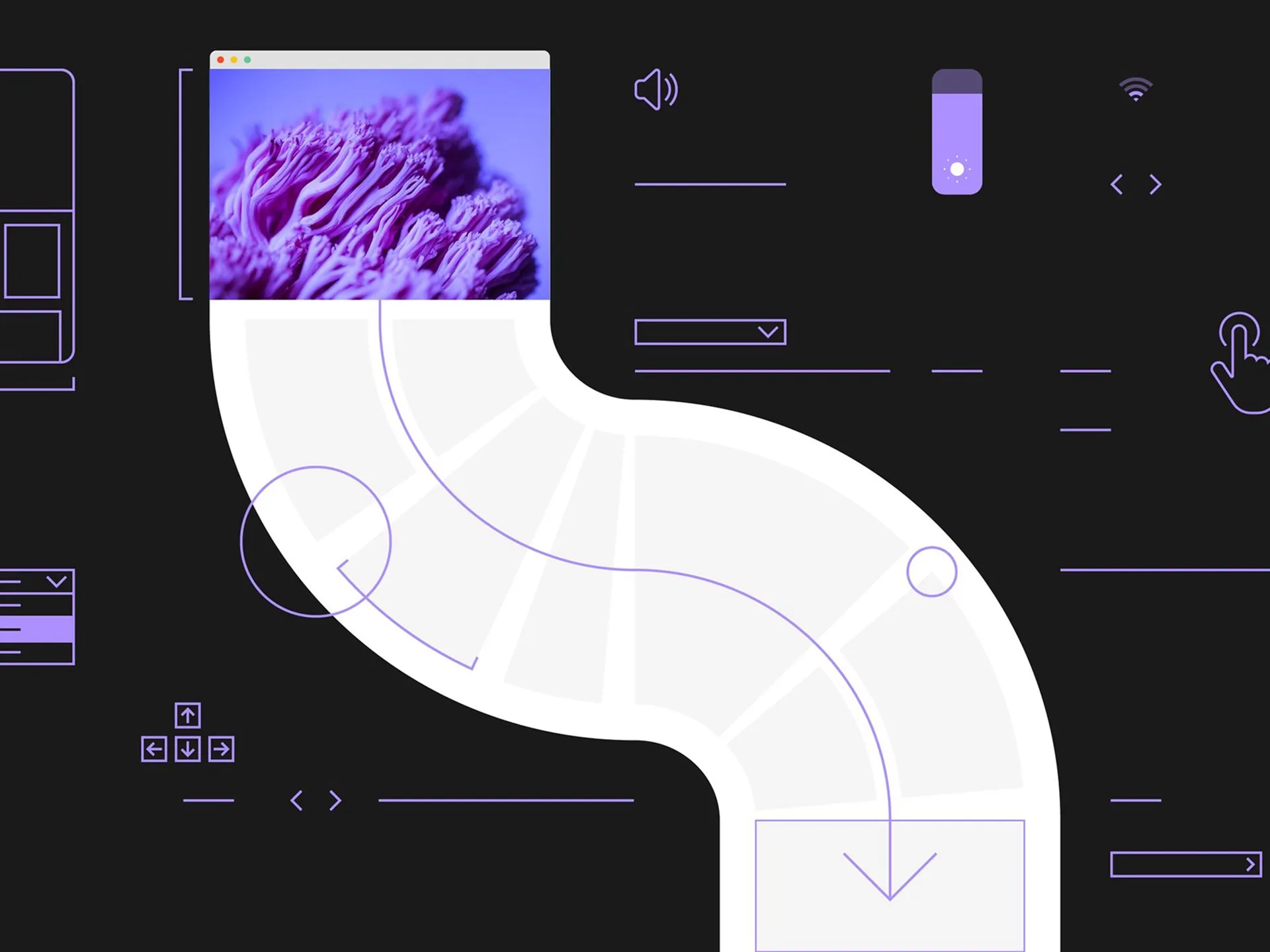
Inclusive design brings those realities into everyday decisions. Text needs sufficient contrast. Navigation and controls need to work with different input devices. Content needs to stay clear and easy to follow. Native browser elements are often a sensible starting point because they already support familiar behaviours, such as keyboard access to a dropdown. Custom components can still work, but they need much more care to remain usable with keyboards and screen readers.
Sources: Designing and developing web experiences for everyone