How should B2B companies communicate sustainability progress?

Communicate sustainability progress by connecting each claim to the operational work, measurement and impact behind it. Use clear language, let audiences choose more technical depth where needed, and include setbacks as learning moments rather than relying on broad promises.

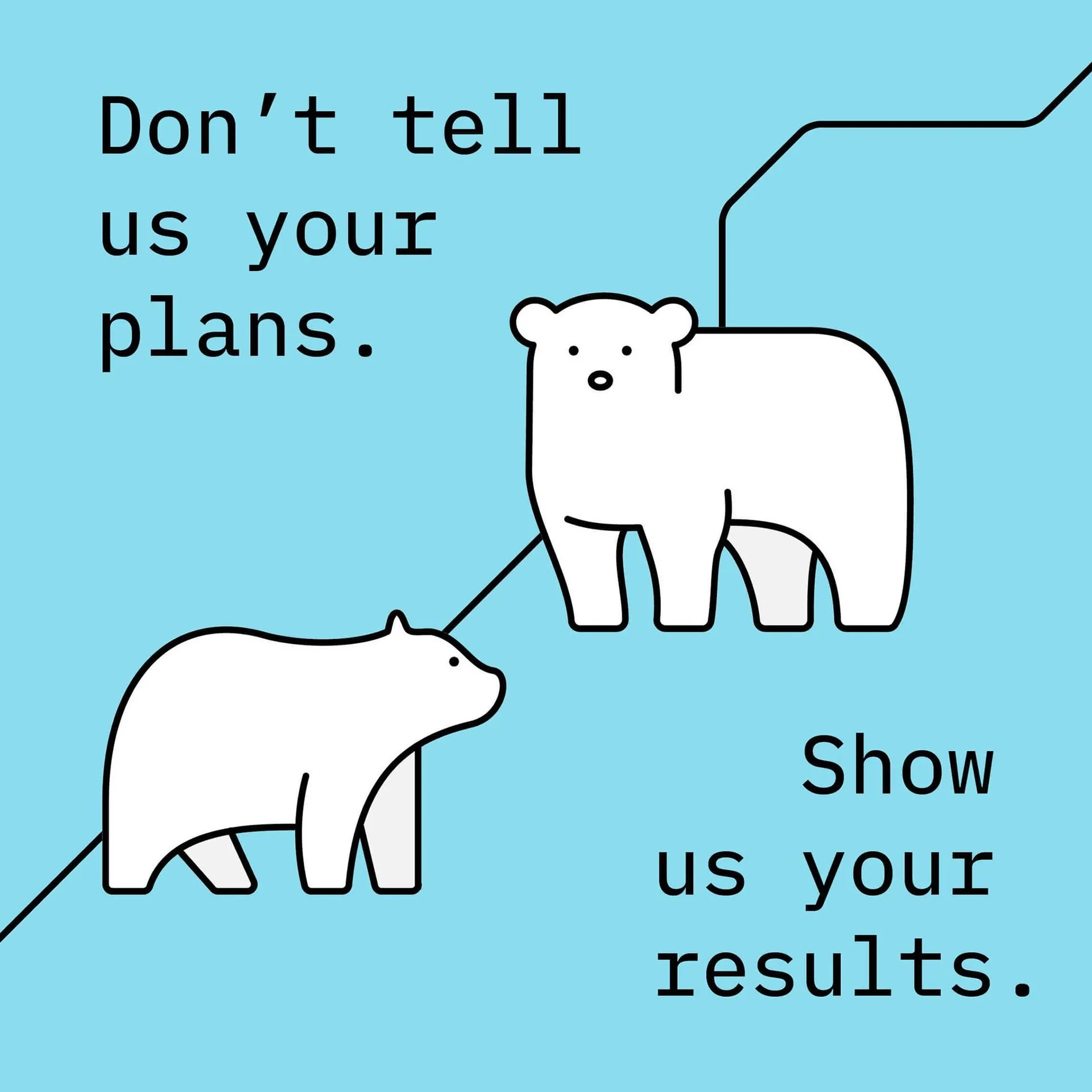
Illustration on a light blue background featuring two white cartoon bears along an ascending black line chart, accompanied by the text:

Show the work behind sustainability claims

A sustainability claim becomes more credible when it explains the work that supports it. Start with rigorous internal reporting, then draw on the people closest to the operational activity to explain what the numbers mean, why the work matters and what has changed. This creates a story grounded in business drivers, sustainability goals and practical action.

Avoid treating a pledge as proof of progress. Instead, show the initiative, its intended impact and the learning generated along the way. For complex B2B audiences, technical practicality can be an important part of the story: accurate measurement can help quantify progress and give decision-makers confidence to act. The objective is not to make the work sound simpler than it is, but to make the substance understandable.

Sources: Credibility in ESG Means Showing Your Work, Yokogawa: Elevating sustainability – precisely

Treat setbacks as part of the sustainability story

Sustainability progress is rarely a straight line. Explaining why an initiative fell short, what was learned and what will change can make the work more informative than a report that only celebrates positive outcomes. Both successes and failures can help customers, clients, shareholders and other stakeholders understand how a company is pursuing its commitments.

This does not mean turning every difficulty into a campaign. The useful story is specific: describe the work undertaken, the result, the lesson and the next action. Acknowledge that hard operational work happens behind the scenes and make that work visible where it helps audiences understand the reality behind a target. Honest reporting should illuminate progress rather than hand-wave at large promises.

Sources: Credibility in ESG Means Showing Your Work

Match the level of detail to the audience

Technical sustainability information must work for more than one audience. Specialists may need detailed documentation and methodology, while senior decision-makers may need a concise explanation of the business relevance and practical impact. A layered content structure can serve both groups without forcing every reader through the same level of detail.

Begin with accessible entry points that explain the challenge and relevance in plain language. Then provide routes to deeper technical material for readers who need it. This approach preserves technical depth while helping non-specialists understand the main point. Keep the language clear, lead with the key takeaway and remove unnecessary jargon, so that the evidence is easier to understand rather than harder to find.

Sources: Siemens: Bringing New Dimensions to White Papers, Cut the jargon: Why the best B2B writing is plain and simple

Stats

In GlobeScan's 2025 survey of more than 30,000 consumers across 31 markets, trust among people reached by brand sustainability messaging was 65%, down from 74% in 2023.

GlobeScan

FAQs

What makes a sustainability claim credible?

A credible sustainability claim connects a stated outcome to the work, measurement and expertise behind it. Use internal reporting as the foundation, then explain the operational activity behind the numbers in clear, human language. Broad pledges are less useful when audiences cannot see what is being done.

Should B2B companies publish sustainability setbacks?

B2B companies can communicate sustainability setbacks when they explain what happened, what was learned and what action follows. Failures can be learning moments alongside successes, particularly when they help audiences understand the difficult work behind long-term commitments. The story should focus on substance rather than trying to conceal the problem.

How much detail should sustainability communications include?

Sustainability communications should provide a clear overview first, with deeper technical information available for readers who need it. A layered approach helps executive audiences understand relevance without losing the detail required by technical specialists. Plain language and a clear structure make complex information more accessible.

How do I communicate sustainability progress credibly?

Build the story from operational substance, make the evidence understandable and include meaningful learning.

  1. Start with operational evidence

    Use rigorous internal reporting as the base for sustainability communications. Identify the activity, measurement and people behind each claimed area of progress. This gives the narrative substance before it is shaped into content.

  2. Explain the numbers clearly

    Translate technical information into a clear account of why the work matters and what it makes possible. Lead with the main takeaway, use plain language and provide deeper detail for audiences that need it. Keep technical depth available without making every reader navigate it first.

  3. Include learning from setbacks

    Describe meaningful setbacks alongside progress when they help explain the reality of the work. State what fell short, what was learned and what will change next. This makes the communication more informative than a story built only around commitments and wins.