What makes a client and agency partnership work well?

A strong client and agency partnership combines shared objectives, open access to context and expertise, and trust in creative thinking. Clients should remain involved throughout the work while giving the agency enough freedom to develop and deliver the agreed direction. The relationship works best when both sides treat one another as part of the same team.

A partnership is a collaborative working relationship

A client and agency partnership works best when the agency is more than an external supplier and the client is more than an approver at fixed stages. The client brings deep knowledge of its brand, audiences and business context, while the agency contributes outside perspective, creative challenge and experience across other brands. Bringing these strengths together can make the process tighter and help ideas progress beyond the status quo. Partnership also depends on human relationships, not just project mechanics. When clients are included in processes from the beginning and both teams work as collaborators, they can build a clearer shared understanding of the work and the decisions behind it.

Sources: Clients want people-led problem solving, not a list of services, Why bold design is good business

Choose trust, openness and a clear brief

Trust does not mean handing over control without thought. It starts with choosing people who understand the organisation, agreeing what the work needs to achieve and building consensus around that vision before the creative work begins. Clients can support stronger work by sharing the relevant people, research materials and context, then protecting the creative team from unnecessary noise. In return, an agency should put the client first and apply its expertise to identify and execute what is best for the client. This balance allows the agency to challenge assumptions while keeping the work grounded in agreed objectives, audiences and business needs.

Sources: Me Now: Sharon Booth and Sheri Brissenden, Me Now: Margot Kliebhan and Sophie Meadows

Stay involved without limiting bold thinking

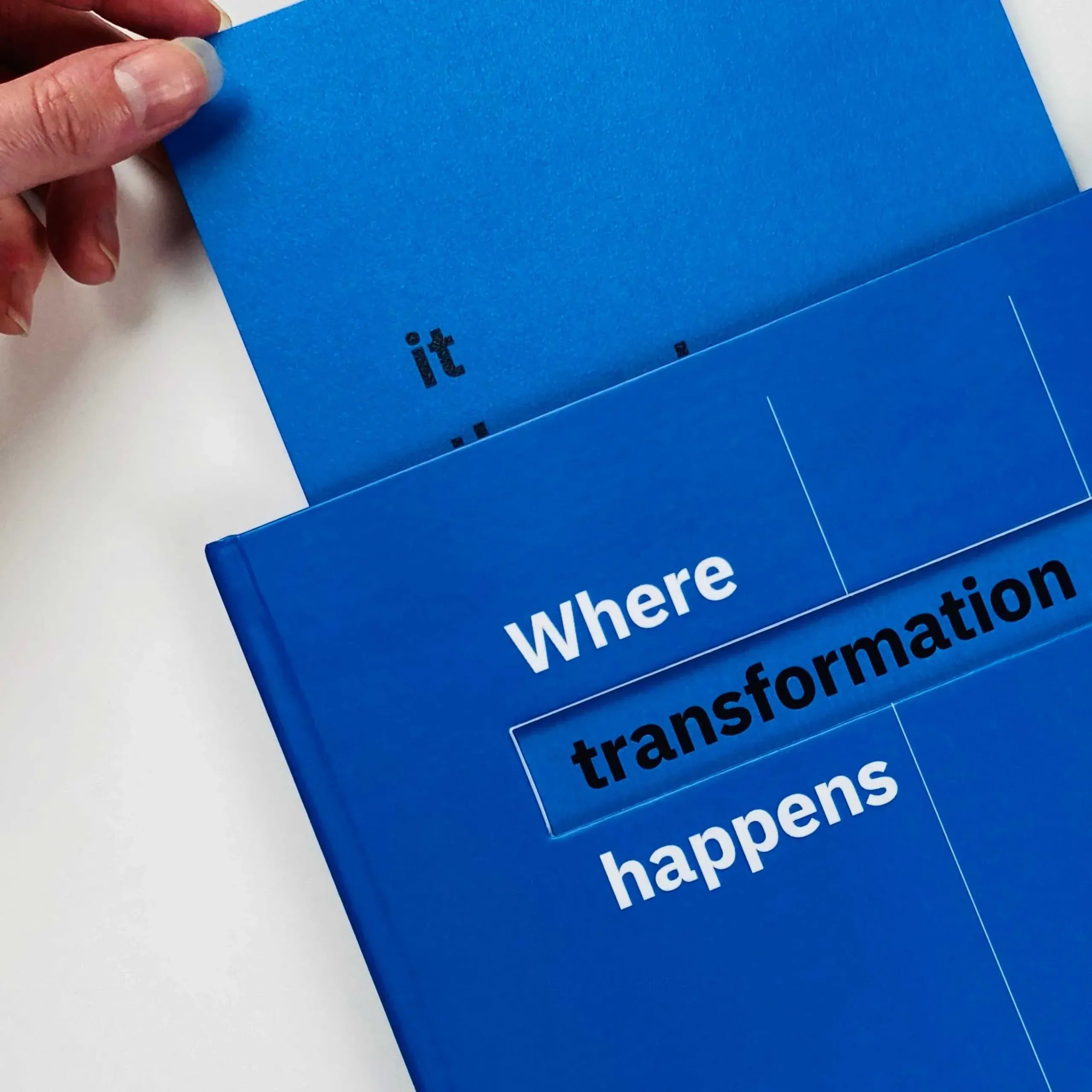
Client involvement is most useful when it is continuous and constructive. Rather than receiving updates only at set stages, clients can take part in the process throughout, bringing timely context and helping maintain alignment. At the same time, agencies need room to develop original ideas and see the agreed intention through to rollout. The IBM Garage campaign illustrates this balance: IBM and The Frameworks worked through daily stand-ups, workshops, office visits, and physical and digital collaboration tools. The resulting campaign combined a print book with an in-browser virtual reality experience, showing how close collaboration can support a distinctive creative response rather than constrain it.

Sources: Clients want people-led problem solving, not a list of services, IBM Garage: Account-Based Marketing Campaign

Stats

FAQs

What should I look for in an agency partner?

Look for an agency that understands your objectives and audiences, brings useful outside perspective, and is willing to challenge thinking constructively. A strong partner should also be open and honest, use the context and research you provide, and focus on what is best for your organisation.

What makes an agency partner trustworthy?

A trustworthy agency puts the client first, understands the brief, and applies its expertise with clear intent. Trust also grows when the client has selected the right people, established a shared vision, and gives the agency the freedom to develop the creative work.

How involved should a client be in agency work?

Clients should be involved throughout the process rather than only reviewing work at set stages. Their contribution is most valuable when they provide access to relevant people, research and business context while allowing the agency space to develop the agreed creative direction.

What goes wrong when an agency feels like an outsider?

When an agency is treated only as an outside supplier, it may lack the context, access and shared ownership needed to do its best work. Including the client and agency in one collaborative process makes the relationship tighter and enables the agency to challenge ideas with a better understanding of the organisation.

How do I build trust with an agency partner?

Build trust by aligning on the work, sharing the context the agency needs, and giving the creative team room to deliver.

  1. Agree the direction

    Choose people who understand your organisation and define what the work needs to achieve. Build consensus around that vision before creative development begins, so the agency has a clear brief to work from.

  2. Share useful context

    Give the agency access to the relevant people, research and background behind the brief. Stay involved throughout the process so questions can be resolved and both teams remain aligned.

  3. Give creative space

    Trust the agency to challenge assumptions and develop bold thinking within the agreed direction. Protect the creative work from unnecessary noise while holding both sides accountable to the shared objectives.