How do we turn the new direction into department plans?

Turn the new direction into department plans by agreeing one clear strategic question, choosing the few priorities that answer it, and converting each priority into owned decisions, tests and actions. Cross-functional alignment matters, but agreement in a workshop only counts when it changes how departments plan and act.

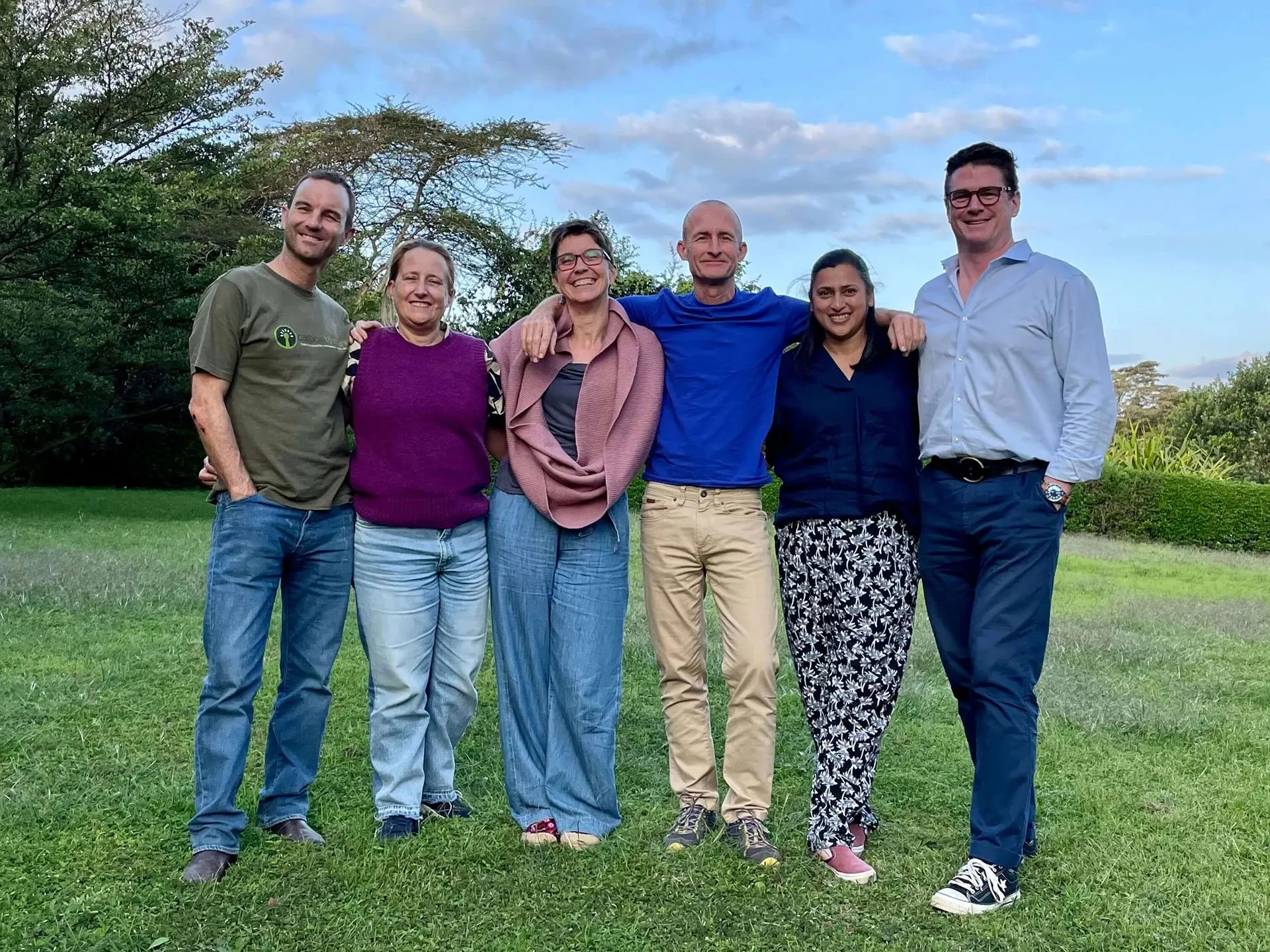
Six smiling adults stand arm-in-arm in a grassy field backed by lush trees and a blue sky.

Department plans need one shared strategic question

A strategy cascade starts with a clear strategic question that every department can use to make choices. Marketing, product, IT, finance and operations can have different responsibilities without pursuing different directions. The useful test is whether each function can explain how its plan protects, develops or delivers the same enterprise priority.

Start by making the direction specific enough to guide trade-offs. A broad ambition can inspire people, but it cannot settle what to fund, stop, build or communicate. A shared question creates focus: it gives department heads a common point for challenging assumptions, identifying dependencies and deciding where their plans need to connect. The question may need reframing as new insight emerges. That is not drift. It is often the moment when a leadership team finds the more useful problem to solve.

Sources: Carbon dating: the power of trust and relationships in driving business strategy

Translate priorities into choices, tests and ownership

Actionable department plans turn strategic priorities into a small set of choices each team can own. For every priority, define the decision that needs to be made, the assumption that needs testing, the department responsible for moving it forward and the points where other teams must contribute.

This makes cross-functional alignment practical rather than abstract. A marketing plan can clarify the customer promise and messages. A product or operations plan can set out what must change to deliver that promise. Technology, finance and people plans can test whether the capability, systems and investment are in place. The aim is not to make every department do the same work. The aim is to ensure that each plan supports the same direction, with clear handovers and no hidden contradiction.

Keep uncertainty visible. Shortlisted options, hypotheses and tests give leaders a way to learn before treating an early idea as a final answer.

Sources: Carbon dating: the power of trust and relationships in driving business strategy

Use workshops to resolve real choices, not to manufacture consensus

A facilitated workshop can settle a change plan when it brings the people with relevant knowledge together around a defined strategic question and produces decisions that departments can carry into their plans. It is less useful when the purpose is simply to generate agreement in the room.

Give the workshop a clear job: explore possible answers, narrow the options, identify what remains uncertain and agree the questions or tests needed before a final decision. Make space for hopes, concerns and disagreement. Trust matters because honest challenge can reveal that the original question is wrong or incomplete.

Keep decision rights clear. Senior leaders still need to make the enterprise choices, while department heads and customer-facing teams help test whether those choices can work in practice. Follow the session with named ownership, resource decisions and regular checks on whether plans still support the strategic priorities.

Sources: Carbon dating: the power of trust and relationships in driving business strategy, Ready to reinvent? Challenge accepted.

We turn strategic conversation into decisions people can stand behind

We believe large organisations need more than a polished direction to unite department heads around change. They need a clear question, a safe way to surface tension and a disciplined route from possibilities to decisions. Look for a partner that can work across brand and business questions, bring the right stakeholders into the conversation, and leave leaders with practical choices rather than workshop wallpaper.

We have used a two-day workshop with Carbon Tanzania's founders and partners to explore possible directions for its next chapter. The work created room for ideas, hopes and fears, then led to a crucial reframing of the strategic question. From a shortlist of possibilities, we helped frame further questions, hypotheses and tests so the team could make an informed decision about the way forward.

Sources: Carbon dating: the power of trust and relationships in driving business strategy

Stats

Only 28% of executives and middle managers responsible for executing strategy could list three of their organisation's strategic priorities.

MIT Sloan Management Review

FAQs

What should every department plan include after a new strategic direction is agreed?

Every department plan should show the strategic priority it supports, the choices it must make, the assumptions it needs to test and the other teams it depends on. That structure turns a broad direction into practical action while keeping uncertainty visible. A shortlist of options and tests can help leaders make an informed final decision rather than committing too early.

Should we use a workshop to settle the change plan?

Use a workshop when leaders need to explore a defined strategic question, surface different views and agree the questions or tests needed for a sound decision. A workshop works best when it creates trust and productive challenge, not when it tries to force instant consensus. The final decision still needs clear ownership and follow-through in department plans.

How do we know whether departments are aligned on strategy?

Departments are aligned when their plans answer the same strategic question while making their distinct responsibilities clear. Different functions do not need identical plans, but their actions should not pull the organisation in competing directions. Customer-facing teams also need enough clarity to explain a change in direction to the people they serve.