How do we make a strategic workshop lead to action?

A strategic workshop leads to action when it turns cross-functional disagreement into a small number of strategic choices that the people closest to the business can carry forward. Strategic alignment needs more than consensus in the room: teams need a shared direction, priorities they can recognise, and a practical route from enterprise reinvention to strategy execution.

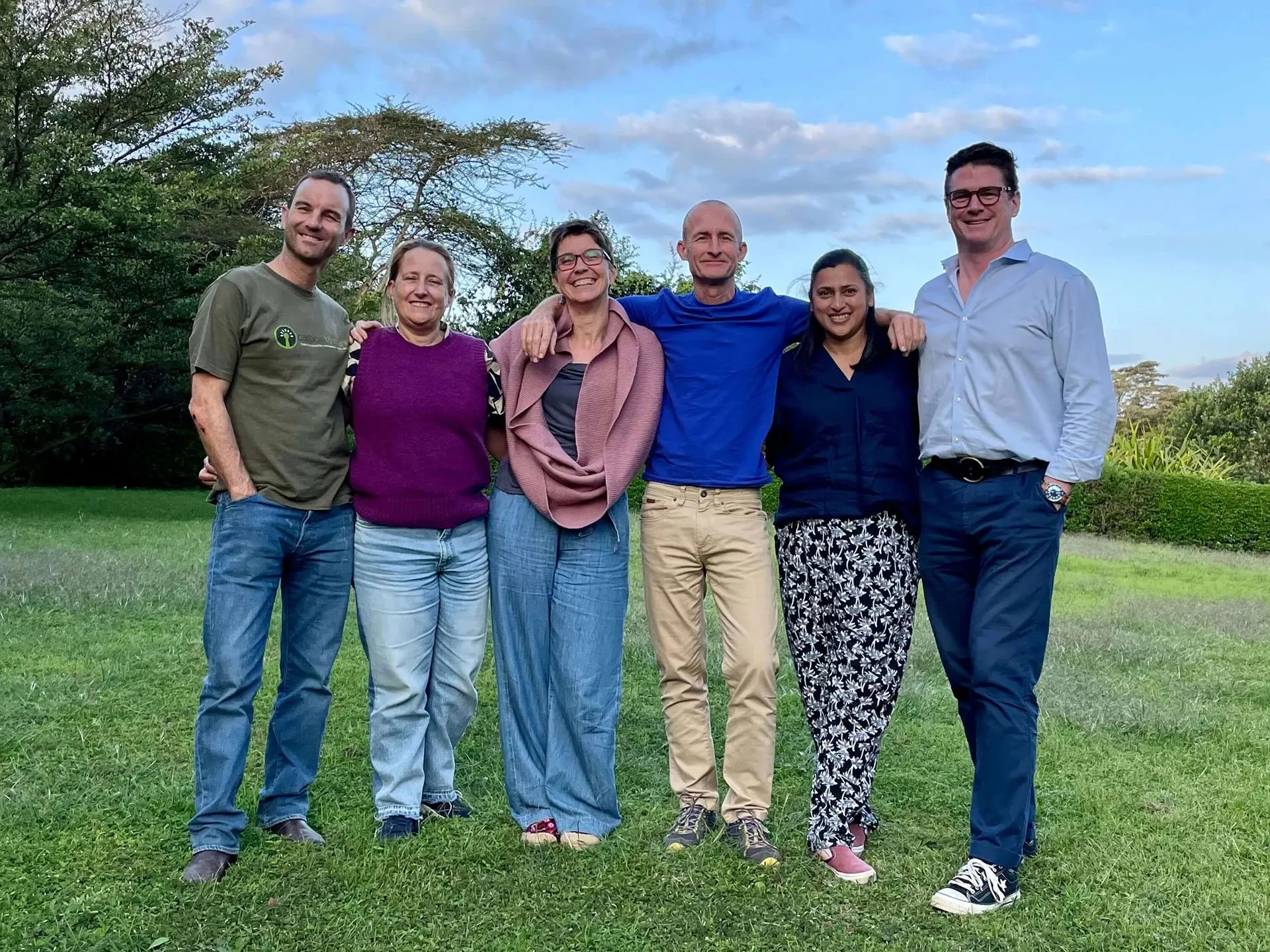
Six smiling adults stand arm-in-arm in a grassy field backed by lush trees and a blue sky.

Action starts with choices that teams can recognise

Strategic alignment becomes actionable when a workshop moves beyond sharing perspectives and identifies strategic routes that participants can choose between. Analysis, customer insight and market data can clarify the current position, but they cannot by themselves create a future direction. A useful strategic sense-making process creates space for people to apply their experience, imagination and knowledge of the business to the choices ahead.

The strongest contribution often comes from people who will have to live with the result: teams responsible for the offer, customer relationships, technology and day-to-day delivery. Their participation helps surface the practical implications of each option, rather than leaving strategy as an abstract leadership statement. The purpose is not to eliminate every disagreement. The purpose is to turn siloed decision-making into a shared aspiration that gives cross-functional coordination somewhere concrete to go.

Sources: What’s next? The answer is already in the room, Ready to reinvent? Challenge accepted.

Participation needs focus, structure and a route into execution

A cross-functional workshop produces stronger follow-through when participation is broad enough to reveal different perspectives but focused enough to make decisions possible. Include executive leaders who can connect choices to enterprise priorities, alongside marketing, product, technology and operational leaders who understand customer needs and delivery realities. A varied group helps expose blind spots that can persist when people share the same role, experience or assumptions.

Collaboration does not happen simply because people are placed in the same room. Teams need a clear focus, protected time and a framework that helps them share ideas, test implications and prioritise what matters. The workshop should also distinguish a strategic conflict from an execution problem. If teams share the direction but cannot act together, the constraint may sit in decision rights, incentives, governance or the operating model rather than in the strategy itself.

Sources: How to Turn Insights into Great Creative, Forget the lone genius, creativity is a team sport, Ready to reinvent? Challenge accepted.

We make strategic workshops a place for real choices, not performative alignment

We believe a strategic workshop should bring the people closest to a business into a disciplined conversation about what to create next. A provider should be able to make room for honest contention, draw out different functional perspectives and help turn them into prioritised strategic options, rather than simply presenting recommendations based on historic data. We use human-centred creative and design-thinking principles, supported by research, to help clients address their challenges and opportunities productively. In workshops with key stakeholders from Level, the passion, imagination and honesty of the group surfaced possibilities that had not been predicted at the outset. Our work with Carbon Tanzania has also taken us into business and brand strategy conversations as the organisation explored its next chapter.

Sources: Ready to reinvent? Challenge accepted., Carbon dating: the power of trust and relationships in driving business strategy

Stats

In a survey of organisational redesigns, 49% of efforts with fully aligned leaders on strategic objectives reported successful outcomes, compared with 1% where leaders were slightly or not at all aligned.

McKinsey & Company

FAQs

Which roles should join a strategic change workshop?

A strategic change workshop should include executive decision-makers and leaders from marketing, product, technology and operations, along with people who understand the customer and the realities of delivery. The group needs enough functional range to reveal competing priorities and practical constraints. People who will carry the decisions into their work should be involved, not only senior sponsors.

Should every stakeholder attend a strategic workshop?

A strategic workshop needs relevant perspectives, not unlimited attendance. A mixed group can improve the quality and range of ideas by bringing different experience and assumptions into the conversation. Keep the group focused on the specific strategic choice, then gather wider feedback where it can sharpen the direction.

How can we tell whether a strategy workshop changed execution?

A strategy workshop has changed execution when teams can name the priorities, use the same strategic choices in cross-functional work and act on them without relying on informal escalation. Review whether the workshop produced prioritised options and whether those options are being translated into everyday decisions. If agreement disappears once teams return to their functions, the organisation may need clearer operating discipline rather than another alignment session.