Should a product launch use a game or live demonstration?

A live demonstration should be the default when buyers need technical validation, solution testing or direct access to experts. A serious game can strengthen a B2B event activation when each mechanic helps attendees understand a real customer problem, make a relevant decision and begin a qualified product conversation.

Use live proof for validation and play for active product discovery

A hands-on product demo is the stronger launch format when the immediate job is technical validation, live product demonstration or detailed solution testing. Buyers can see the product operate, assess its relevance and move directly into an expert-led conversation. A serious game serves a different role: it can turn product discovery into an active experience when participants must engage with the proposition to progress. Games can support B2B storytelling because players make choices, receive guidance and see the consequences of those choices. The format is most useful when the product's value depends on decisions, trade-offs or a connected sequence of actions that can be represented honestly in the experience.

Sources: Why it pays to play in B2B

Credibility depends on linking gameplay to the buyer's real problem

A credible booth game makes the product proposition more accessible without reducing a complex B2B offering to surface-level engagement. Start with the audience's practical challenge rather than product features, then give participants a route through the story that reflects how the product helps address that challenge. Each stage should earn its place by revealing a consequence, choice or useful piece of information, not simply by delaying a prize. Different layers of detail can help both time-poor visitors and technical buyers engage at an appropriate depth. Keep a product specialist available for attendees who want to test claims, explore requirements or move beyond the game into a serious conversation.

Sources: Humanising B2B and leading with empathy, Why it pays to play in B2B, Four creative lessons B2B designers can learn from B2C

We use games to make a proposition tangible, not to distract from it

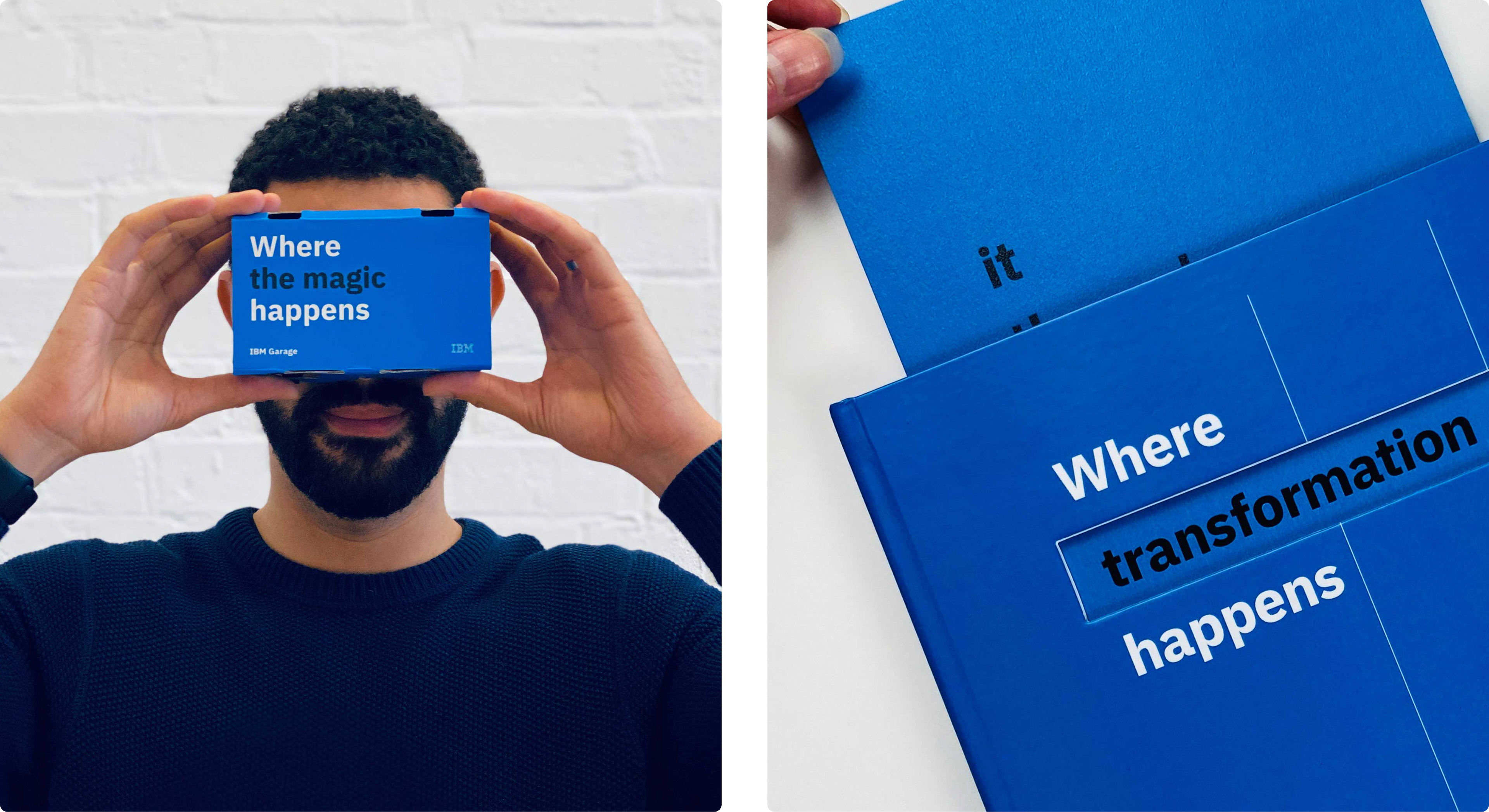
We believe a B2B launch game earns its place only when it helps people engage actively with a meaningful product story. Play should not be an alternative to clarity, technical substance or a credible conversation with an expert. Our work has applied gamification where interaction could bring an experience to life, including an IBM Garage direct-mail campaign with a 65-clue crossword and a 360-degree video experience. We have also helped turn a niche software capability from a dense white paper into a graphical experience built around relatable practical challenges, with layers of detail for different levels of expertise and available time. That is the standard we apply: make the proposition easier to enter, while preserving the depth buyers need.

Sources: Why it pays to play in B2B, Humanising B2B and leading with empathy

Stats

Connecting with someone at an event increased retention by 51%.

Freeman

FAQs

When should a B2B product launch use a serious game instead of a live demo?

Use a serious game when active decision-making can reveal the product's customer value more clearly than a passive explanation. Keep a live demonstration or product expert available when buyers need to inspect functionality, test technical claims or discuss their own requirements. A game should support the route into that conversation rather than replace it.

How do we build a booth game around a complex product?

Build the booth game around a practical buyer challenge, then make each interaction reveal a product-relevant choice, consequence or benefit. Translate technical material into relatable scenarios while retaining deeper layers for visitors who need more detail. The resulting experience should give booth staff a clear bridge into product discovery and technical discussion.

How do we keep a booth game credible for buyers?

Keep a booth game credible by making the gameplay dependent on understanding the proposition rather than collecting points for its own sake. Use the game to introduce the buyer's problem and the product's value logic, then offer access to a specialist and more detailed information. A playful format can remain serious when it respects the audience's expertise and time.

What should a gamified B2B event activation measure besides booth traffic?

Measure whether attendees can explain the proposition, whether the experience leads to useful expert conversations and whether follow-up is qualified. Booth traffic alone does not show that visitors understood the product or advanced toward a buying decision. The activation should create a meaningful path from participation to product discussion.

How do I design a credible booth game for a complex B2B product?

A credible game turns the buyer's real problem into active product discovery and ends with a useful expert conversation.

  1. Start with the buyer challenge

    Define the practical challenge that matters to the audience before designing any gameplay. Frame the experience around relatable situations rather than abstract product features, so participants can see why the proposition matters. Include enough context for non-technical visitors without excluding specialists.

  2. Make every interaction prove a point

    Connect each choice, clue or outcome to a real part of the product's value logic. Give participants guidance and consequences that help them understand the implications of a decision. Remove mechanics that create activity but do not advance product discovery.

  3. Create the route to technical discussion

    End the game with a clear hand-off to deeper product information or an expert-led conversation. Give booth staff a simple way to use the participant's choices as the opening for a relevant discussion. Provide layers of detail so buyers can continue at the depth their role requires.