Should acquired brands merge or stay separate?

Merge acquired brands when they serve overlapping customers and a single identity makes the organisation easier to understand. Keep brands separate when each has meaningful equity, a distinct audience or a role that would be weakened by absorption. Endorsed coexistence or a phased brand migration can offer a clear middle ground.

Brand architecture should make relationships clear

A post-merger brand architecture should make it simple for customers, employees and partners to understand what each brand does and how the brands relate. The choice is not simply between full brand unification and permanent independence. An acquired brand can be absorbed immediately, moved gradually into a master brand, remain distinct with an endorsement, or operate independently.

The right route depends on practical differences: customer and segment overlap, the equity each brand holds, the cost of changing names or systems, regulatory constraints and technology dependencies. A merged identity can reduce complexity when several brands tell a fragmented story. Separate brands can protect relevance when they serve different audiences or carry trust that a new identity cannot quickly replace.

Sources: Strategy is complex, but winning brands keep it simple, Everywhen: A unifying brand that makes business personal

Consistency matters more than identical expression

Acquired brands need a shared positioning and clear message consistency, but they do not need to look and sound identical in every market or channel. A strong brand system connects visual identity, verbal identity, product and service messages, and customer-facing behaviour around one understandable promise.

The practical test is whether the portfolio creates clarity or confusion across website content, sales materials, product communications, support and regional activity. Local teams may need room to adapt for their audience, while still using the same message hierarchy and recognisable design principles. Brand governance, usable guidance and internal alignment matter because a visual refresh alone cannot make the customer experience coherent.

A distinct identity can also be the right answer. ACT was developed as an independent charity brand with its own voice and flexible visual system, while retaining subtle reference to its parent group.

Sources: Strategy is complex, but winning brands keep it simple, ACT: A charity brand for the global stage

We favour the clearest portfolio, not the neatest org chart

We believe acquired brands should merge only when a single identity gives audiences more clarity than the brands can give separately. The goal is not uniformity for its own sake. It is a brand architecture that protects valuable equity while making the organisation easier to navigate.

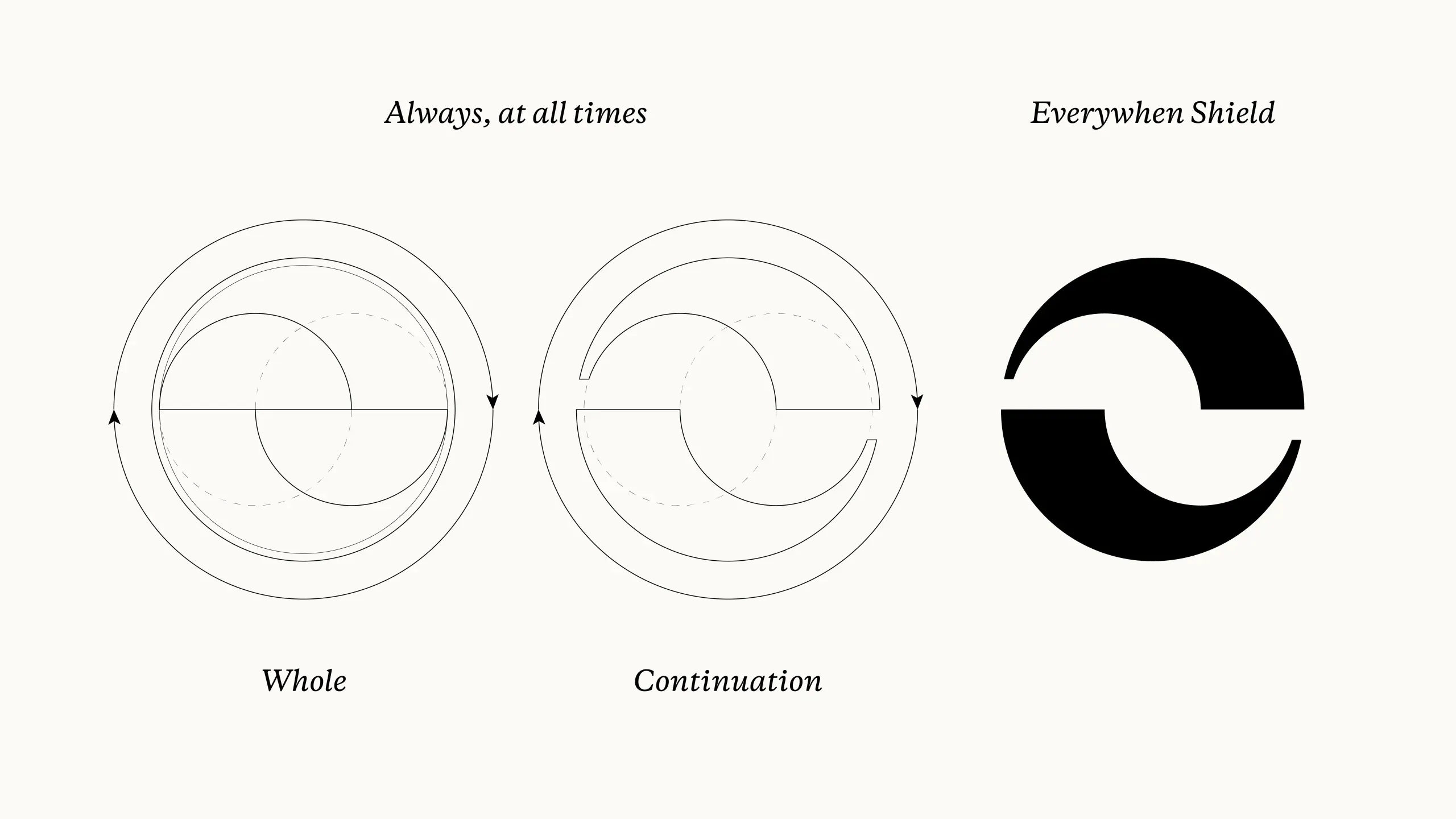
We have helped Price Forbes bring four established brands together under one name, balancing more than a century of heritage with a confident future-facing identity. We have also helped ACT become a distinct independent charity brand, using a cohesive system with subtle reference to its parent group. And for Everywhen, we created a single defining brand to make a growing network of insurance businesses easier to understand. That range matters: the strongest answer follows the audience, the equity and the future role of each brand.

Sources: Price Forbes: Making history with a fresh take on heritage, ACT: A charity brand for the global stage, Everywhen: A unifying brand that makes business personal

FAQs

When should an acquired brand stay separate?

An acquired brand should stay separate when it has strong equity with a distinct audience, serves a clearly different role, or would face material customer, regulatory or switching risk through a merger. Independence needs a clear purpose, not simply a decision to leave the portfolio untouched. The relationship to the wider organisation should still be understandable across customer touchpoints.

What is an endorsed brand architecture after an acquisition?

An endorsed brand architecture allows an acquired brand to retain its own name and identity while visibly connecting to the parent organisation. It can preserve acquired-brand equity while signalling shared backing, expertise or standards. The endorsement should clarify the relationship without overwhelming the acquired brand's own role and audience.

Can separate acquired brands still have consistent messaging?

Yes. Separate acquired brands can share positioning principles, a message hierarchy and design rules without using identical language or visuals. The aim is a coherent brand experience across customer-facing teams and channels, while allowing each brand to remain relevant to its market. A shared system works best when people can apply it in their everyday communications.