How do we collect customer data through interactive marketing?

Interactive marketing collects customer data by offering useful answers, advice or personalised experiences in exchange for information. Calculators, assessment tools and configurators invite people to share their needs while receiving something relevant in return. The information can inform sales conversations, targeted content and future engagement, with transparency about what customers receive.

Customer data collection as a value exchange

Interactive marketing turns data collection into an exchange: people share information and receive something useful that they could not otherwise access. That benefit might be industry benchmarking information, expert advice, a service or an answer tailored to their business. The information they provide gives the business a clearer understanding of its audience and can support more targeted marketing.

The exchange should serve the customer as well as the business. A prospect who receives a personalised answer to a challenge can benefit from the interaction whether or not they become a customer. This makes the experience more than a form designed to capture contact details.

Clarity matters. People need to understand what they are being offered in return for their data. Explaining that benefit creates a more transparent relationship than collecting information through tracking that users may not notice.

Sources: Everyone’s a winner: exchanging value in B2B marketing, The party’s over. It's time for marketers to embrace privacy

Match the interactive tool to the customer's question

Different interactive tools help customers answer different kinds of questions. Calculators ask for numbers or business information and generate an answer, often numerical. Assessment tools use targeted questions, typically in a survey or quiz, to produce a report. Configurators let prospects personalise a product or service according to their needs. Each format collects information through the process of delivering a useful result.

For Hiscox, a cyber exposure calculator helps businesses understand their cyber risk and the monetary value of their exposure. In return, Hiscox receives a company security profile, including its size, industry and security capabilities. The information supports an understanding of a business that may need insurance.

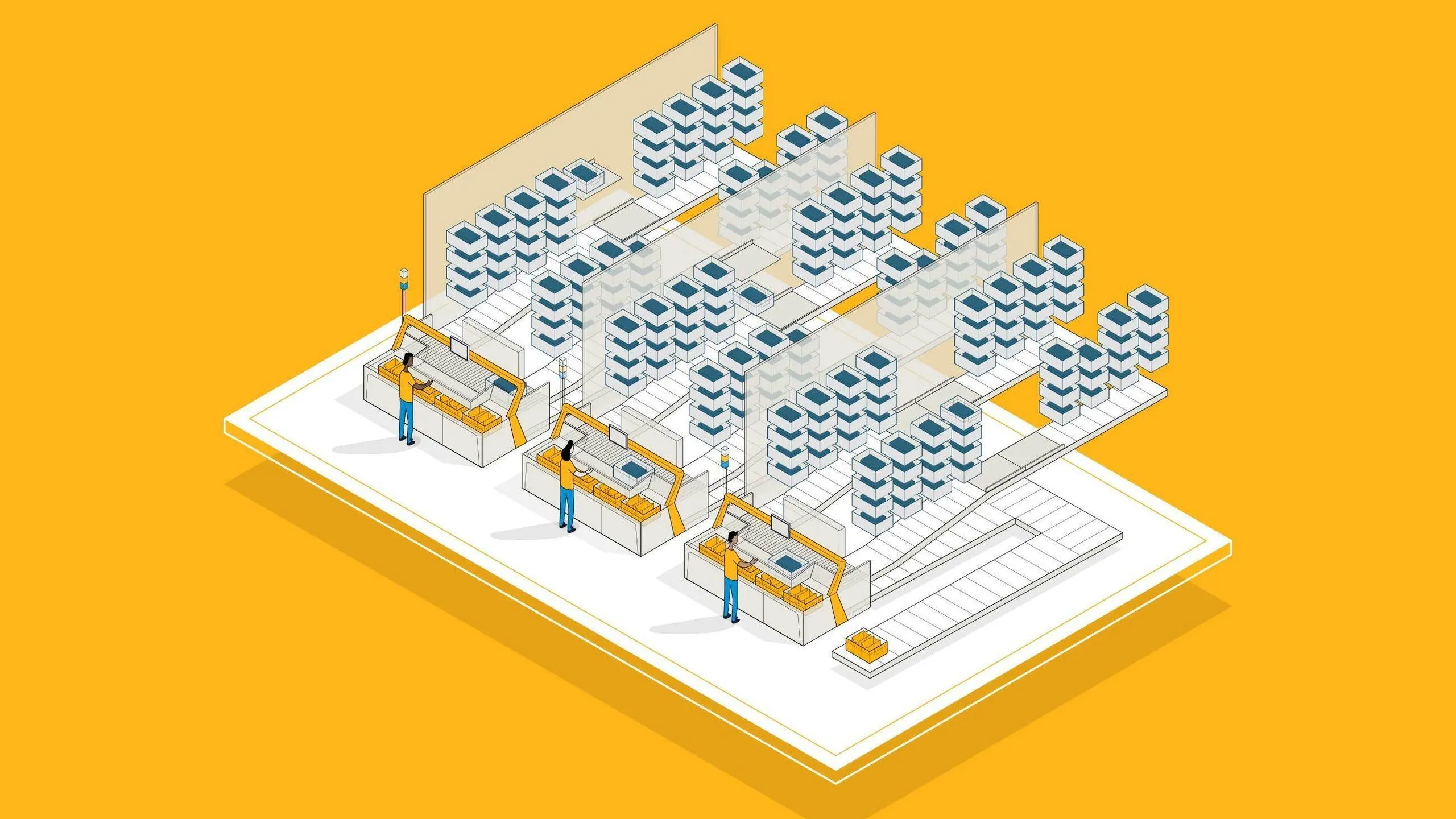
Dematic's online configurator helps customers understand how its Micro-Fulfillment solution could work for their business. A brief set of questions provides customers with greater clarity while giving Dematic information to generate prospective leads and inform sales discussions.

Sources: Everyone’s a winner: exchanging value in B2B marketing, Dematic Micro-Fulfillment: A Simple, Powerful Engagement Tool

Use responses to improve relevance and future engagement

Customer data becomes useful when it informs what a business says, offers or improves. Responses to interactive questions can guide more tailored content and marketing. The way prospects interact with a tool also creates a feedback loop: businesses can use those interactions to improve the tool over time, which can improve the information it gathers.

UST's NavigatorAI demonstrates how customer information can shape a personalised experience. The assessment tool uses generative AI to identify user-specific challenges, guide prospects through tailored questions and generate recommendations informed by UST's AI playbook and expertise. Publicly available business and audience data helps shape the journey, while integration with HubSpot captures first-party data to support future engagement.

Personalisation also requires care. In the UST experience, structured rules, trusted content and human oversight keep recommendations aligned with the company's services and help maintain accuracy and value.

Sources: Everyone’s a winner: exchanging value in B2B marketing, UST NavigatorAI: Creating personalised experiences with generative AI

Prioritise direct information and transparent relationships

First-party data is information collected directly from users. It gives marketers ownership and control of the information they receive, rather than relying solely on third-party tracking. Clicks, views and site visits tell part of the story, but what people choose to share can offer a richer understanding. Feedback, comments and other engagement signals can contribute to that picture.

Tracking also has limits. People may share content through private messages, email or conversations without generating a visible advertising response. A lack of tracked activity therefore does not necessarily mean content has had no effect.

A more transparent approach starts with explaining what users receive for sharing information and asking for their views. Audience feedback can help businesses understand their customers while showing that they are listening. Customer data collection should support that relationship, not substitute for it.

Sources: The party’s over. It's time for marketers to embrace privacy

FAQs

Which interactive marketing tools should we build?

Choose an interactive marketing tool according to the answer customers need: a calculator for a numerical or business-specific answer, an assessment tool for a report based on targeted questions, or a configurator for personalising a product or service. Hiscox's cyber exposure calculator helps businesses quantify risk while collecting company security information. Dematic's configurator helps customers understand its Micro-Fulfillment solution while gathering information for prospective leads and sales discussions.

What should we offer customers in exchange for data?

Offer customers a useful benefit they could not otherwise access, such as industry benchmarking information, expert advice, a service or personalised answers to their challenges. Explain clearly what customers will receive in exchange for sharing information. The interaction should provide value even if the person does not become a customer.