What should I decide before commissioning print design?

Before commissioning print design, decide what audience experience the material should create, what content it needs to communicate, and how it should express your identity. Consider print as a physical, curated format rather than a digital page reproduced on paper. The strongest direction connects the message, the audience and the format.

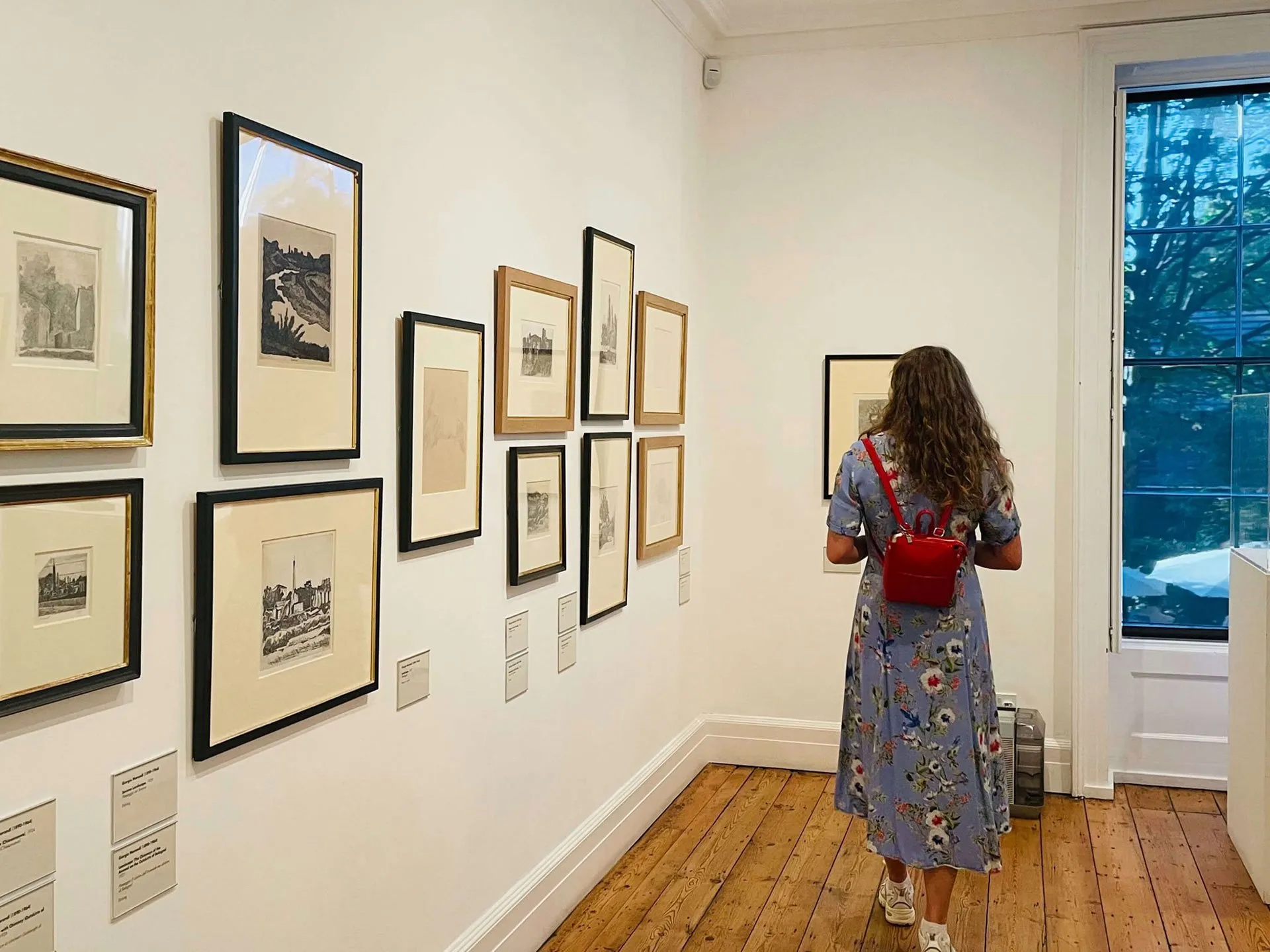
A person in a blue floral dress with a small red backpack stands in an art gallery, viewed from behind as they look at framed black-and-white prints hanging on white walls.

Print design creates a physical content experience

Print design shapes how people encounter information in a physical format, including its visual identity, sequence, materials and presentation. Unlike digital content, which often invites constant scrolling and clicking, print gives readers a more linear route through content. A brochure, catalogue, poster or exhibition leaflet can guide someone through a curated sequence while leaving room for discovery. Physical qualities also matter: texture, weight, colour, smell and binding contribute to how the piece is perceived. Before commissioning design, decide whether the work needs to inform directly, showcase work, invite browsing or create a memorable object. That choice should influence the format and the creative direction.

Sources: Print isn’t dead: The power of print in reshaping user experience

Define the audience, message and desired response

A print brief should establish who will receive the material, what they should understand and how the design should make them feel or act. For exhibition publicity, visual materials need to convey both the character of an individual exhibition and the wider identity of the museum. For a campaign addressing a difficult situation, the message may need to acknowledge the problem while reassuring customers and protecting the brand. Consider whether the content should answer a specific question or encourage more open-ended browsing. Be clear about the balance between practical information and visual expression. This gives the designer a basis for choosing hierarchy, imagery, tone and format that fit the communication task rather than treating print as decoration.

Sources: The Estorick Collection at 25, Print isn’t dead: The power of print in reshaping user experience, Reactive marketing: why timing is everything

Use format to connect print with the wider experience

Print can work as part of a wider identity or campaign rather than as an isolated item. The Estorick Collection applied a refreshed visual identity across its website, exhibition materials and collection catalogues, creating consistency across audience touchpoints. IBM Garage combined an interactive physical book with in-browser virtual reality, joining classic print principles with digital technology in a multi-sensory campaign. Decide early where the printed piece sits in the broader journey: it may support an exhibition, introduce an offer, extend a campaign or direct people to digital content. This helps establish what the printed format must do on its own and how it should relate to other channels.

Sources: The Estorick Collection at 25, IBM Garage: Account-Based Marketing Campaign

Stats

FAQs

What makes people spend time with printed material?

Printed material can invite sustained attention by giving people a physical, curated browsing experience. Its texture, weight, colour, smell and binding make it an object in its own right, while a linear format guides readers from one piece of content to the next. This can create space for unexpected discoveries rather than directing people only to preselected answers.

How can print design make a difficult message feel positive?

Print design can make a difficult message feel more positive when it directly addresses the issue in a tone that fits the audience and the brand. KFC's print response to its chicken shortage used self-deprecating humour while reassuring customers and thanking staff. The approach acknowledged the problem rather than avoiding it, helping to neutralise negative press.

What makes print design feel carefully made?

Carefully made print design aligns visual detail with the identity and purpose of the material. For the Estorick Collection, publicity materials needed to reflect both the aesthetic of each exhibition and the museum's identity. Precision, creative care and attention to detail help promotional materials feel considered in the real world.

How do I brief a print designer?

Create a brief that connects the audience, message and physical format before design work begins.

  1. Define the audience experience

    State who will receive the printed material and how you want them to engage with it. Decide whether they need clear answers, a guided sequence of information or a more open browsing experience. Consider the physical qualities that could support that experience.

  2. Set the communication purpose

    Explain the message the material must convey and the response it should encourage. Include the balance between practical information and visual expression. If the message is difficult, identify the tone needed to address it clearly and appropriately.

  3. Place print in the wider journey

    Describe how the printed piece relates to your other materials and channels. Specify whether it must reinforce an existing identity, support an event or exhibition, or connect people with digital content. This helps determine the role the format needs to play.