Why do buyers get conflicting messages about our expanded offer?

Buyers receive conflicting messages when a growing organisation's capabilities, proposition, visual identity and channel communications have evolved separately. Diagnose the gap before redesigning: research what buyers, employees and stakeholders understand, then align the story and its application across the website, sales materials and other touchpoints. A visual refresh helps only when it supports a clear shared proposition and is adopted internally.

Conflicting messages are often a coordination problem

An expanded offer can become difficult to understand when different teams describe it through their own lens. Product, sales, regional teams and communications may all be using valid information, but without a shared story, buyers encounter disconnected explanations of what the organisation does and why it matters. The problem is not necessarily the visual identity alone.

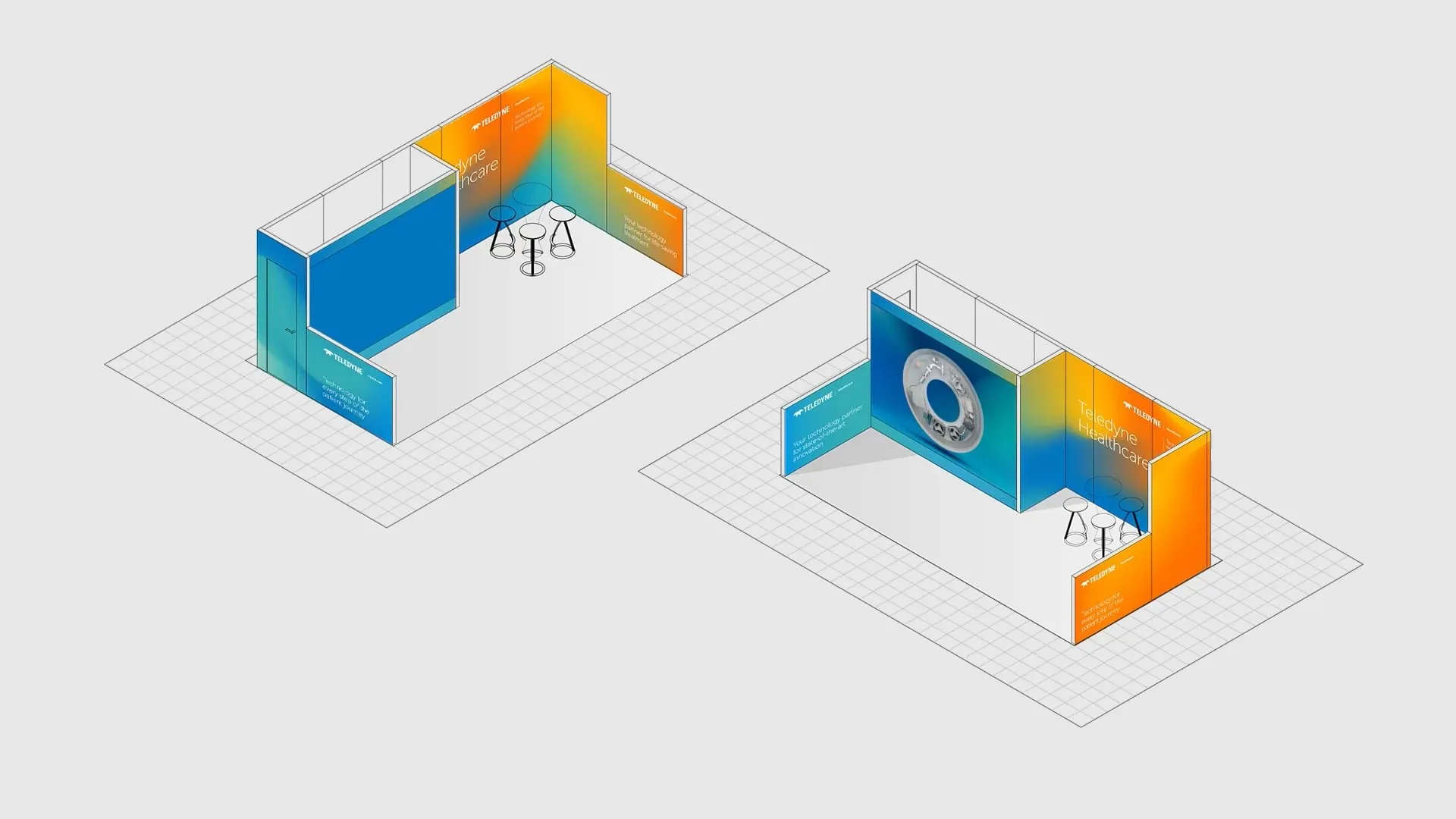
Teledyne Healthcare faced this challenge when healthcare businesses were operating and communicating in siloes, leaving customers unaware of the breadth of Teledyne's capabilities. The work began by understanding the collective value of those businesses, then built a patient-journey narrative, messaging system and visual identity around it. This created multiple ways to communicate specific technologies while retaining one unifying idea. Start by identifying where the story breaks between capabilities, audiences and channels before deciding whether the remedy is messaging, content, sales enablement, identity or a combination of these.

Sources: Teledyne Healthcare: Storytelling for Life-Changing Brands

Research the context before prescribing the solution

A useful diagnosis separates the visible symptoms from the underlying problem. Start with open questions about the organisation's context: what has changed in its offer, structure, ambition, audiences or market? This helps establish whether the issue is an outdated identity, an unclear proposition, fragmented implementation or a more fundamental disconnect between the business and how it is understood.

Then define the specific problem and design research that can answer it. Interviews and surveys with employees, subject-matter experts, customers and stakeholders can reveal what people think the organisation stands for, where they become confused and which capabilities are not being recognised. Research should also examine the experience of being asked: thoughtful questioning can itself demonstrate that the organisation values people's perspectives. Share the findings before moving into recommendations, so the decision about a refresh is based on a common understanding rather than assumptions.

Sources: Research is how we ask questions, listen and learn

Build internal adoption into the brand change

A new brand story is more likely to be used when employees can recognise themselves in it and understand how it changes their day-to-day communications. First Names Group had siloed global teams and needed a unifying vision after a management buyout. Employee and stakeholder interviews showed that confidence and trust in its people were central to the business, so the identity put employees' actual first names at the heart of its visual language.

The launch was coordinated so employees in every location discovered the new brand at the same time, through a film starring employees and applications across launch packs, business cards and offices. This approach made the people within the organisation part of both the story and the rollout. Internal involvement should therefore begin before launch, continue through implementation and give teams practical assets they can use consistently.

Sources: First Names Group: total rebrand

Use one proposition across the moments buyers encounter

A full identity programme is appropriate when the organisation needs to clarify its offer, create a distinctive story and give multiple teams a system for applying it. A narrower intervention may be sufficient when the core proposition is clear but the website, sales narrative or supporting content has fallen out of step. The decision should follow the diagnosis, not precede it.

Sony TEOS needed a messaging and visual framework for a B2B workspace-solutions offer. The resulting look and feel was carried through key assets and touchpoints, including PowerPoint templates, product brochures and splash screens. Teledyne Healthcare similarly created flexible message formats, visual assets and usage guidance so its in-house team could make on-brand content quickly. In both cases, consistency depended on practical systems for application, not on a logo or campaign in isolation.

Sources: Sony TEOS: Brand Identity, Teledyne Healthcare: Storytelling for Life-Changing Brands

Stats

A 2025 study of 244 employees involved in a rebrand found that more than 70% were aware of the process, while gaps in inclusion and engagement remained.

Violet Andoyo Otindo

FAQs

What should a brand refresh fix besides the visual identity?

A brand refresh should clarify the organisation's shared story, value proposition and practical communications across touchpoints, not just change its appearance. Teledyne Healthcare combined a unifying narrative with flexible messaging formats, visual assets and usage guidance for its in-house team. The aim was to make a broad set of technologies easier to communicate under one brand.

What causes sales and website messages to drift apart?

Sales and website messages drift apart when teams lack a shared proposition and usable system for applying it to different audiences and channels. Sony TEOS addressed this by developing a messaging and visual framework that was used across presentations, product brochures and splash screens. A consistent system gives teams a common starting point while allowing the content to suit the touchpoint.

What makes buyers put one supplier first on a shortlist?

Buyers are more likely to place a supplier first when its proposition is clear, relevant and distinctive to the audience they are trying to reach. IBM Garage used a focused value proposition and creative concept that centred on the transformational work possible in the co-creation space. The campaign's proposition was described as resonating with its target audience.

What reveals a gap between company identity and buyer perception?

A gap becomes visible when customers cannot explain the breadth, connection or value of capabilities that the organisation considers central. Teledyne Healthcare found that its businesses were communicating in siloes and that customers often did not know the full range of capabilities available. Interviews, stakeholder research and focused questions can identify where intended meaning is being lost.

What makes employees adopt a new brand story?

Employees adopt a new brand story when they are involved in shaping it, can see their contribution reflected in it and receive a well-managed rollout. First Names Group used employee and stakeholder interviews, placed employee names in the visual language and coordinated a simultaneous launch across locations. Practical applications in offices and launch materials helped make the new identity usable rather than abstract.

How do I build a brand governance system?

Create a shared foundation, translate it into usable tools and involve the people responsible for applying the brand.

  1. Diagnose the real problem

    Ask open questions about the business context before deciding what needs to change. Then define the specific problem and gather input from employees, stakeholders, customers and subject-matter experts. Use the findings to distinguish an identity issue from a proposition, content or implementation issue.

  2. Create a shared application system

    Turn the agreed story into message formats, visual assets and guidance that teams can use across their regular touchpoints. Give different functions enough structure to communicate consistently while allowing them to address their particular audience. Focus on the assets that buyers and employees encounter most often.

  3. Launch with participation and reinforcement

    Involve employees in the process and explain how the new story connects to the organisation's reality. Coordinate the launch so teams receive the same core message, then reinforce it through practical materials and everyday communications. Continue listening for confusion or barriers to adoption after launch.