How should we show how acquired companies fit into one group?

Show the relationship through a clear shared purpose, explicit links between the group and its businesses, and messaging that explains each business's distinct role. Do not assume every acquired company needs the same name or identity. Build the system from stakeholder insight, then test whether customers and employees can understand the connections and use them.

Start with the relationship customers need to understand

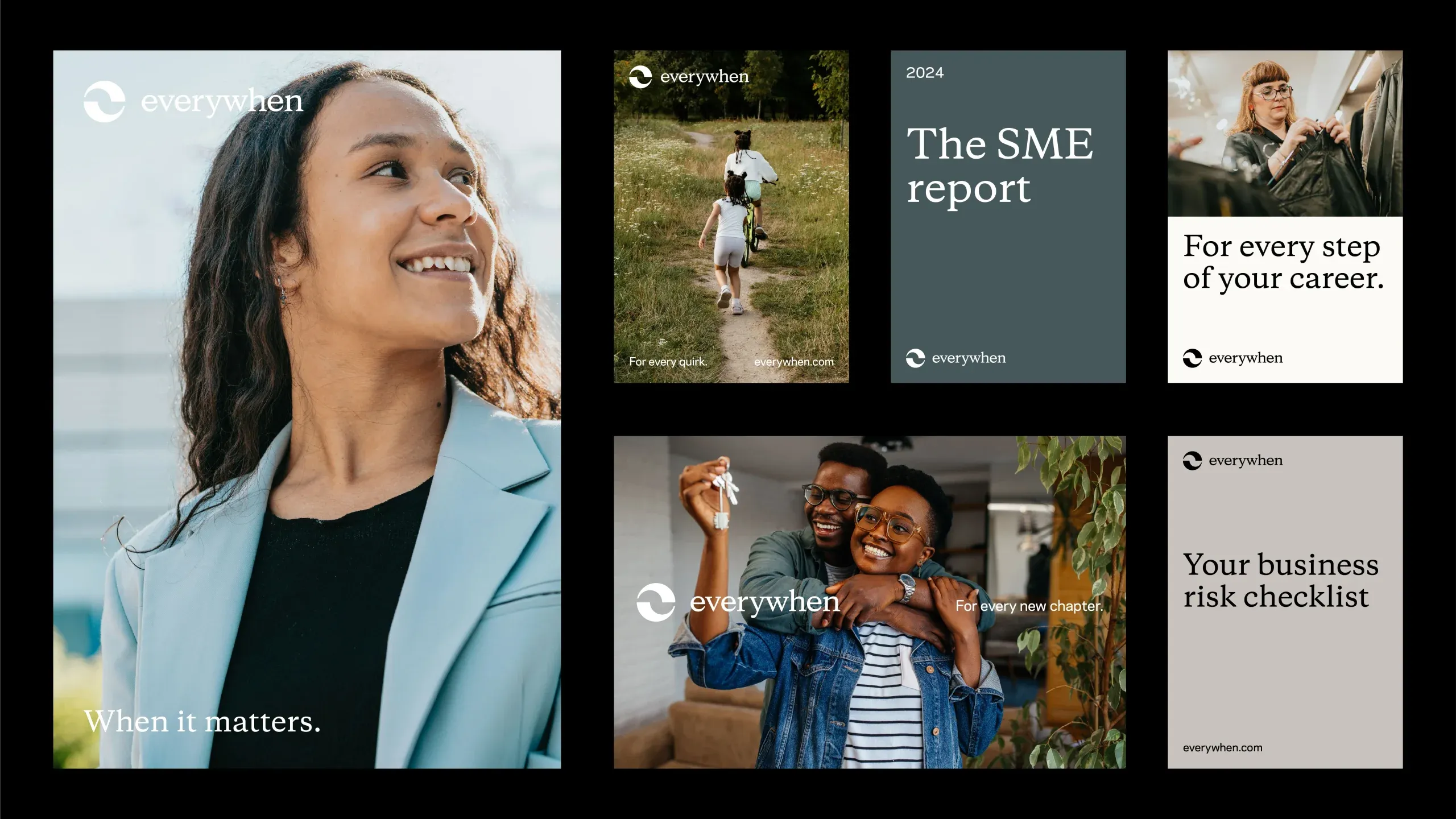
The first task is to make the portfolio legible: clarify what the group offers, which business delivers each capability and why those parts belong together. Ardonagh Advisory faced this challenge as its network of insurance brands grew, making it harder to explain who did what and how everything connected. The response was a new name and defining brand, Everywhen, designed to unite people under one vision while setting clear expectations around expertise, partnership and support.

Teledyne Healthcare faced a similar discoverability issue. Its healthcare businesses were operating and communicating in siloes, so customers were not always aware of the breadth of capabilities available across the group. A patient-journey narrative brought those interests together under one brand while allowing the different technology solutions to remain visible. The common story should therefore explain both the collective value and the distinct contribution of each business.

Sources: Everywhen: A unifying brand that makes business personal, Teledyne Healthcare: Storytelling for Life-Changing Brands

Build a shared story with acquired employees, not around them

A group story is more credible when it reflects what people across the organisation recognise in their work. Research and interviews should include employees at different levels, locations and functions, asking where they see opportunities, what they believe the organisation stands for, what makes them proud and what they know about customer needs. Those insights can then be played back, tested and developed into a direction that internal stakeholders can recognise as grounded in reality.

This approach matters after acquisition because a shared identity cannot simply be imposed through naming or design. Open dialogue, equal voice and visible leadership support change by making space for people to explain what should be retained, what needs to change and how the new group can move forward together. Teledyne Healthcare reported immediate internal traction, with employees proud to see the new identity displayed.

Sources: The inside story: why your people shouldn't be just passengers on your brand journey, How internal comms leaders can help firms reap the rewards of flexible working, Teledyne Healthcare: Storytelling for Life-Changing Brands

Use the parent connection at the right strength

A visible group connection does not have to erase a specialist business's identity. The appropriate level of connection depends on whether the parent adds meaningful credibility, whether the acquired brand has useful market recognition and whether audiences need help discovering related capabilities. A new business can draw on its parent's foundations while maintaining a distinct name, proposition and visual character. Inver Re, for example, was created as a specialist reinsurance brand within The Ardonagh Group's portfolio, with a name that gave it a clear identity while making a subtle reference to its parent heritage.

Where customers need to understand a company and its platform together, a single purpose can provide a stronger link. Strategy Object used a unifying mission to bring the SOClass platform and the organisation together while retaining a clear role for the platform. The decision is not simply consolidation versus separation. It is about making the relationship useful and understandable.

Sources: Inver Re: A New Player in Reinsurance, Strategy Object: An identity built on international trade

Stats

Gallup reported that 46% of US employees clearly knew what was expected of them in 2024.

Gallup

A 2024 study measured familiarity and liking for 589 brands and logos, showing that recognition varies materially by brand.

PLOS ONE

FAQs

When should an acquired company keep its own name?

An acquired company can keep its own name when it has a clear specialist role and the parent connection can remain subtle rather than dominant. Inver Re was created with a distinct identity as a reinsurance business while retaining a reference to The Ardonagh Group's heritage. The key is to make the business's role and its relationship to the wider group understandable.

What makes a parent brand weaken an established business brand?

A parent brand can weaken an established business brand when the connection obscures the business's specialist value instead of making that value clearer. A group identity should add a meaningful shared purpose, credibility or route to discovering related capabilities. Where the parent does not help the audience understand the offer, a lighter endorsement or distinct identity may be more appropriate.

How can customers find related services across a group?

Customers can find related services more easily when the group uses a shared story that explains the combined value of its businesses and the role of each offer. Teledyne Healthcare united separate healthcare interests under one brand and used a patient-journey narrative to connect its technologies. Clear messaging formats and consistent visual signals can then help people recognise those relationships across touchpoints.

What makes a new group story feel false to employees?

A new group story can feel false when it is imposed without listening to what employees value, recognise or need to change. Involving people across roles and locations helps reveal authentic strengths, customer knowledge and sources of pride before a new direction is set. Leaders also need to maintain transparent dialogue and act in ways that support the change.

What shows that a shared brand is helping the business?

A shared brand is helping when customers can understand the combined offer, employees can recognise and use the story, and the organisation gains clearer visibility for its capabilities. Teledyne Healthcare reported immediate internal and external traction after its new identity was introduced, with employee pride in the result. Measure these outcomes against a baseline rather than treating a new identity alone as proof of improvement.

How do I plan a brand migration after an acquisition?

Plan the migration around understanding, participation and a clear way to express the relationship between the group and each business.

  1. Map the portfolio

    Identify what each business offers, who it serves and how it connects to the wider group. Focus on the relationships customers and employees need to understand, including where offers overlap or complement one another. Use this map to decide what must be explained consistently across names, messaging and touchpoints.

  2. Listen before defining

    Speak with employees across levels, functions and locations before setting the new story or identity. Ask what they value, where they see opportunity, what customers need and which parts of the business should be retained. Share the findings back and confirm the direction before moving into creative development.

  3. Create and test the connections

    Develop a shared purpose and messaging system that links the group to each business without hiding specialist roles. Apply it across the places where customers and employees encounter the organisation. Test whether people can explain what the group does, how its businesses connect and where to find the relevant capability.