How do we plan a video campaign across channels?

A cross-channel video campaign needs one clear story, an overarching film or core footage, and a planned set of shorter, channel-ready versions supported by sales and internal materials. Map each asset to its purpose, coordinate production and approvals daily, then assess performance against engagement and commercial outcomes.

One campaign story should produce a purposeful set of video assets

An integrated video campaign starts with one campaign story and a planned set of channel-ready assets, rather than a single film posted everywhere. An overarching campaign film can be divided into shorter, shareable videos while retaining a common narrative and visual identity. Plan the asset set before production by defining the role of the main film, the shorter cuts, and the supporting materials that help people use the campaign.

The supporting content should extend the same message into the contexts where it needs to work. In one campaign, video content was accompanied by seller cheat sheets to support conversations with potential clients, plus an internal campaign using animation and a game to build employee interest. This approach gives the campaign a coherent story while making the content usable by different audiences and teams.

Sources: Match point: how The Frameworks created an integrated Wimbledon and IBM campaign in two weeks

Production planning protects consistency across formats

A multi-channel video campaign works best when production decisions anticipate the final formats from the outset. For a campaign film split into five shorter videos, the production team planned recordings so contributors could be cropped consistently for a 1:1 aspect ratio in post-production. Testing equipment, setting up contributors in advance, agreeing camera placement and backgrounds, and applying a consistent grade helped maintain a unified look.

Create an asset matrix before editing begins. Group available interviews, photography, video, historical material and other usable assets by the theme of each short video. That matrix makes it easier to identify gaps, assign editing work and ensure each version has a distinct role without losing the central campaign narrative. Remote production can also support this approach when contributors receive clear technical guidance and preparation.

Sources: Match point: how The Frameworks created an integrated Wimbledon and IBM campaign in two weeks

Daily coordination and outcome measures keep the campaign accountable

A cross-channel video campaign needs clear coordination between creative, production, client and activation teams, especially when deadlines are tight. Daily whole-team status updates can keep decisions moving, surface dependencies early and give contributors a shared view of what must be delivered next. Responsive client and partner teams also help maintain an agile production schedule.

Set measures that reflect both attention and commercial contribution. Video views and shares can indicate whether content is being discovered and passed on, while landing-site visits, engagements, software trials and sales can show how campaign activity connects to deeper action. In an IBM Wimbledon campaign, a short-form video generated 35% more views and 3,225% more shares than ten comparable videos released during the same year. The appropriate measures should be agreed before launch, not added after distribution.

Sources: Match point: how The Frameworks created an integrated Wimbledon and IBM campaign in two weeks, IBM: Ongoing campaign involvement

Integrated video campaigns need a story system, not a collection of films

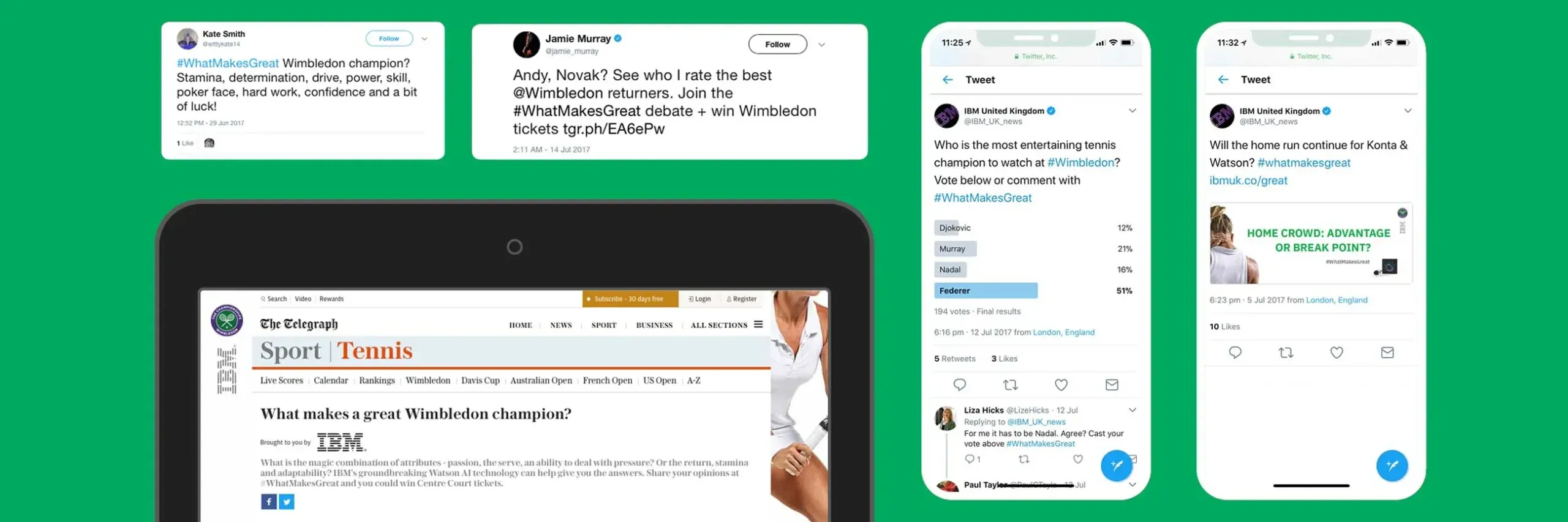
We believe cross-channel video planning should start with the story people need to understand, then build the formats and supporting materials that allow that story to travel. A campaign cannot rely on a single polished film when sellers, employees and external audiences each need a usable way into the message. Our work for IBM and Wimbledon has included a short-form video explaining IBM's integrated technology role, a campaign concept shaped around live data and social listening, and a later campaign built from an overarching film and five shorter videos. We also created supporting seller cheat sheets and internal activation. That combination demonstrates the value of joining narrative, production, activation and practical campaign use from the start.

Sources: IBM: Ongoing campaign involvement, Match point: how The Frameworks created an integrated Wimbledon and IBM campaign in two weeks

Stats

FAQs

How should a campaign film be adapted for different channels?

Build the campaign around an overarching film or core footage, then create shorter, shareable versions with a defined role in the wider asset set. Plan framing, aspect ratios, editing and visual consistency before filming so each version can be produced without weakening the central story.

What content should support a video campaign beyond the videos themselves?

Supporting content should help internal teams and customer-facing teams use the campaign message in their own contexts. Seller cheat sheets, internal animation and employee engagement materials can extend a video campaign beyond external distribution while keeping the narrative consistent.

How do we keep video production consistent when contributors are recorded remotely?

Remote video production needs technical preparation before recording, including tested equipment, contributor set-up sessions and clear guidance on camera, microphone, background and lighting. Consistent framing and post-production grading help create a coherent visual result across contributors.

Which metrics should measure a cross-channel video campaign?

Use a combination of attention and commercial measures that match the campaign objective. Views, shares, landing-site visits and engagement can indicate audience response, while trials and sales can show whether campaign activity is connected to business action.