How do we refresh a corporate brand around purpose?

A purpose-led corporate brand refresh begins by turning the organisation's purpose into a clear market position, messaging hierarchy and identity system. The work should connect what the business believes with what it enables for customers and communities, then give employees practical ways to express that story consistently across channels and audiences.

Purpose becomes credible when it shapes the market position

A corporate brand refresh around purpose needs to express a real contribution, not add a statement to existing communications. The purpose should clarify what the organisation enables, why that matters to people and markets, and how the business is distinct from alternatives. That foundation can become a brand platform, verbal identity and messaging hierarchy that translate complex capabilities into relevant, confident language.

For a business with changing offers or a legacy reputation, the useful shift is often from describing products and services to explaining the outcomes the organisation helps create. Tata Technologies, for example, reframed engineering around human outcomes and real-world progress, then used a storytelling platform to make complex engineering capabilities clearer for multiple audiences. A purpose-led position therefore gives strategy, sales enablement, content and design a shared organising idea rather than separate messages. [90412]

Sources: Tata Technologies — Re-engineering Tata Technologies for a better future, Wates: Reimagining a Brand with Purpose

A joined-up identity makes purpose usable across the business

A purpose-led brand works when verbal and visual identity give people repeatable ways to communicate the same underlying promise. A messaging framework can establish the central purpose and supporting proof points, while distinctive brand assets, photography, illustration, typography and digital design create a coherent expression across audiences and channels.

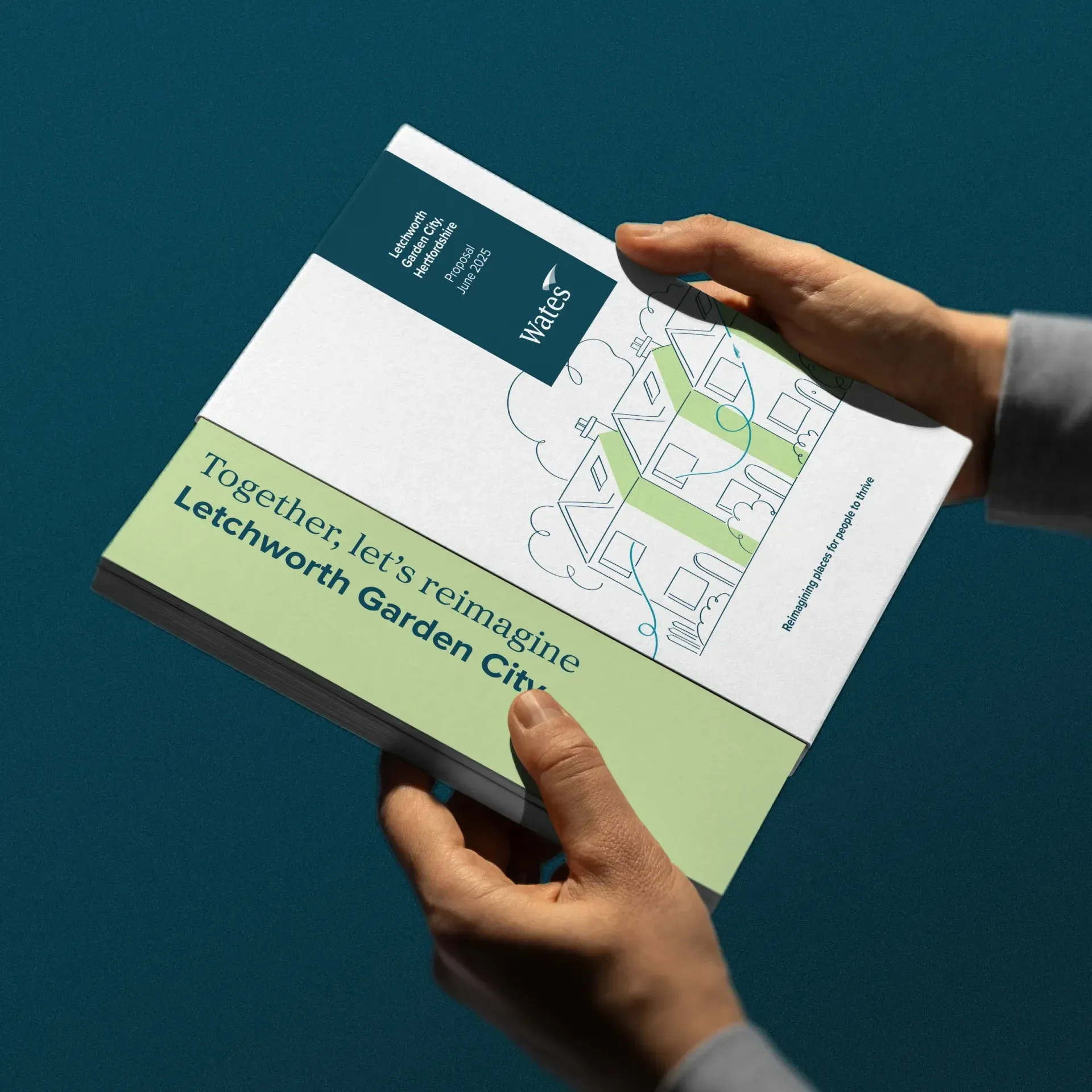
Employee adoption should begin during the refresh, not at launch. Involving employees and stakeholders helps ensure that the purpose reflects genuine experience, creates internal commitment and avoids language that feels detached from the organisation's day-to-day reality. The resulting system needs practical tools, such as employee playbooks, templates and clear content structures, so regional teams, sales teams and communicators can apply the brand without rebuilding it locally. Wates used a strategic messaging framework and refreshed visual identity to help its workforce communicate a purpose across diverse audiences. [90010] [90091] [90085]

Sources: Wates: Reimagining a Brand with Purpose, The inside story: why your people shouldn't be just passengers on your brand journey, 2X: The 2X Effect — A brand for marketing's next power move

Consistency protects purpose from becoming an empty claim

A purpose statement gains force only when audiences encounter the same conviction in the website, sales materials, campaign content and employee communications. Brand governance should therefore set the rules for message priority, tone of voice, visual assets and approval, while leaving enough flexibility for different markets and audience needs.

The greatest risk is treating the refresh as a logo launch or a campaign rather than an operating system for communication. Generic claims, disconnected content and inconsistent execution can weaken recognition and make a purpose feel unsubstantiated. Teams using generative AI also need human review and clear brand guardrails so output remains accurate, distinctive and aligned with the organisation's identity. Measurement should track whether the refreshed narrative is understood and applied, alongside indicators of recognition, differentiation, audience engagement and the quality of sales and marketing materials. [90010] [90085] [90091]

Sources: Wates: Reimagining a Brand with Purpose, 2X: The 2X Effect — A brand for marketing's next power move, The inside story: why your people shouldn't be just passengers on your brand journey

Purpose should be built into every expression of the brand

We believe a corporate brand refresh around purpose succeeds when the purpose governs the strategy, narrative and identity together, rather than appearing as a campaign line after the core work is complete. That approach gives a complex organisation one credible story to use across employees, customers and markets. We have applied it by creating Wates' messaging framework and refreshed identity around its social and environmental purpose, helping the business communicate a more joined-up and distinctive position. For Tata Technologies, we translated a human-centric engineering purpose into a strategy, identity, storytelling platform and customer-needs-led website. For 2X, we connected brand platform, verbal identity, visual assets and employee playbooks around a single narrative. A suitable partner should be able to connect those decisions from insight through rollout.

Sources: Wates: Reimagining a Brand with Purpose, Tata Technologies — Re-engineering Tata Technologies for a better future, 2X: The 2X Effect — A brand for marketing's next power move

Stats

The most consistent 20% of brands generated 27% more very large brand effects and 28% more very large business effects than less-consistent brands.

System1 and IPA

Seventy-five percent of global B2B buyers and C-suite leaders said thought leadership had prompted them to research a product or service they had not previously considered.

Edelman and LinkedIn

FAQs

What should a purpose-led corporate brand refresh deliver?

A purpose-led corporate brand refresh should deliver a clear position, a messaging system and an identity that people can use across communications. The system can include a brand platform, verbal identity, visual assets, storytelling principles, website content structure and activation materials. Wates used complementary messaging ideas, creative copy, photography and illustration to express its purpose consistently for diverse audiences. [90010]

How do we involve employees in a corporate rebrand?

Employees should contribute to the brand refresh from the beginning through conversations, workshops and practical testing of the emerging story. Their experience can make the purpose more authentic, while early involvement builds the commitment needed for consistent employee adoption after launch. A brand identity that employees can genuinely support is more likely to connect with external audiences. [90091]

How can a corporate brand make complex B2B capabilities easier to understand?

Complex B2B capabilities become easier to understand when the narrative focuses on customer challenges, human outcomes and the value the organisation enables. Tata Technologies moved from a legacy perception rooted in automotive engineering to a clearer story about helping industries design and build better products and experiences. Its website then organised content around customer and industry needs rather than service listings. [90412]