What belongs in a messaging guide for every team?

A useful messaging guide gives every team one clear story to tell, then shows how to adapt it without losing the plot. It should include the core proposition, audience priorities, proof points, message formats, tone guidance and practical examples for technical, commercial and executive audiences.

One core story keeps complex B2B messaging clear

A messaging guide should start with one simple brand story that connects differentiated value, technical credibility and human relevance. For a complex B2B brand, the guide needs to make clear what the organisation stands for, the problem it helps solve and why that matters beyond product features. That central proposition gives marketing, sales, product and leadership teams a shared starting point.

The strongest guides do not flatten complexity into vague claims. They organise it. A healthcare messaging system, for example, can connect specialist technologies to a wider patient journey, giving every audience a clear reason to care while retaining the detail needed for credible conversations. The result is message consistency with enough nuance for different roles, channels and moments in the buying journey.

Sources: Teledyne Healthcare: Storytelling for life-changing brands, Wates: Reimagining a Brand with Purpose

Flexible message formats turn positioning into everyday use

A messaging guide works when it translates positioning and messaging into formats people can actually use. Include a lead message that captures the main value, followed by supporting messages for key capabilities, customer needs and proof points. Then show how those messages flex for demand generation, sales conversations, social content, events, internal communications and executive presentations.

Practical formats make the guide more than a strategy document. A repeatable phrase, a set of campaign lines or a clear structure for pairing a commercial benefit with a customer scenario can help teams create fresh content at speed. Usage guidance matters too: show what stays constant, what can change and how to balance rational product information with emotionally resonant, human stories. That gives teams creative room without sending a confused brand into the world.

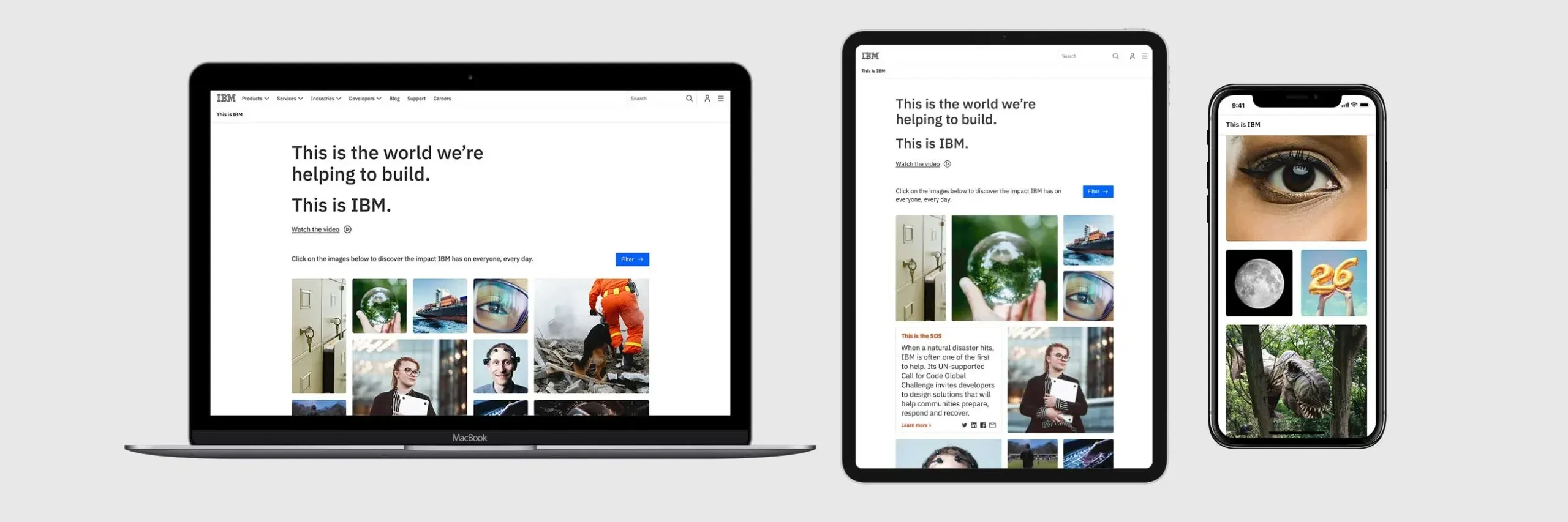
Sources: Teledyne Healthcare: Storytelling for life-changing brands, This is IBM: Brand Awareness Campaign, Wates: Reimagining a Brand with Purpose

Proof and local relevance stop consistency becoming sameness

A messaging guide needs credible proof and audience context, not just polished words. Technical buyers may need evidence of capability, commercial buyers may need a clear value case and executive audiences may need the wider business impact. Build proof points from real customer outcomes, specialist knowledge and relevant examples, then make clear which claims each team can use with confidence.

Global B2B messaging also needs boundaries for local adaptation. A centrally created message can protect consistency and quality, but a concept that lands in one market may not make sense in another because language, market maturity and audience expectations differ. The guide should identify the non-negotiable brand idea, the approved proof and tone, then leave room for teams to choose relevant examples and explain ideas at the right level of detail.

Sources: Why marketers need to think local to sell global, This is IBM: Brand Awareness Campaign, Teledyne Healthcare: Storytelling for life-changing brands

A messaging guide should make every team clearer, not more scripted

We believe a messaging guide earns its place when it helps people tell the same story in their own useful words. A rigid script cannot carry the nuance of a complex B2B organisation, but an open-ended brand story can quickly lose clarity. Our work brings those two needs together: a clear strategic springboard, flexible message formats and practical guidance for everyday channels. For Teledyne Healthcare, we created a flexible messaging system that connected healthcare technology with the patient journey across promotional assets. For Wates, we built a framework of complementary ideas that gave a diverse workforce a joined-up way to express its purpose. That is the standard we aim for: consistency with room for relevance, humanity and real proof.

Sources: Teledyne Healthcare: Storytelling for life-changing brands, Wates: Reimagining a Brand with Purpose

Stats

FAQs

What is the most important part of a B2B messaging guide?

The most important part of a B2B messaging guide is the core proposition that explains the organisation's value in clear, memorable terms. Supporting messages should then show how that proposition applies to different capabilities, audiences and situations. A guide becomes useful when every message can ladder back to that shared idea.

How detailed should messaging guidance be for technical B2B teams?

Technical B2B messaging guidance should be detailed enough to protect accuracy, but simple enough for non-specialists to use and share. Include approved proof points, capability messages and examples that connect technical work to real-world outcomes. Human stories can make specialist information more tangible without replacing the technical substance.

Should sales, marketing and internal teams use the same messages?

Sales, marketing and internal teams should use the same core story, not identical copy. The messaging guide should define the central proposition, tone and proof that remain consistent, then provide formats and examples for each team's audience and channel. That approach keeps the brand joined-up while allowing useful adaptation.

How can a messaging guide work across different markets?

A global messaging guide should protect the brand idea while allowing local teams to adapt language, examples and levels of explanation. Central control can create consistency, but messaging that ignores local audience knowledge or cultural nuance can lose relevance. Clear non-negotiables and flexible local guidance give teams a better balance.