Should we use a game in a B2B campaign?

A game can strengthen a B2B campaign when playing expresses the proposition, makes people engage actively with the content and creates a memorable brand experience. Use a game as part of a purposeful campaign, not as a novelty, with practical information that helps different stakeholders understand the offer and its value.

A game earns its place when play expresses the proposition

A game can support B2B brand differentiation when the interaction demonstrates how the organisation thinks, works or solves a customer problem. Play gives audiences an active role, rather than asking them only to read or watch, which can make a campaign more memorable and encourage deeper engagement with its content.

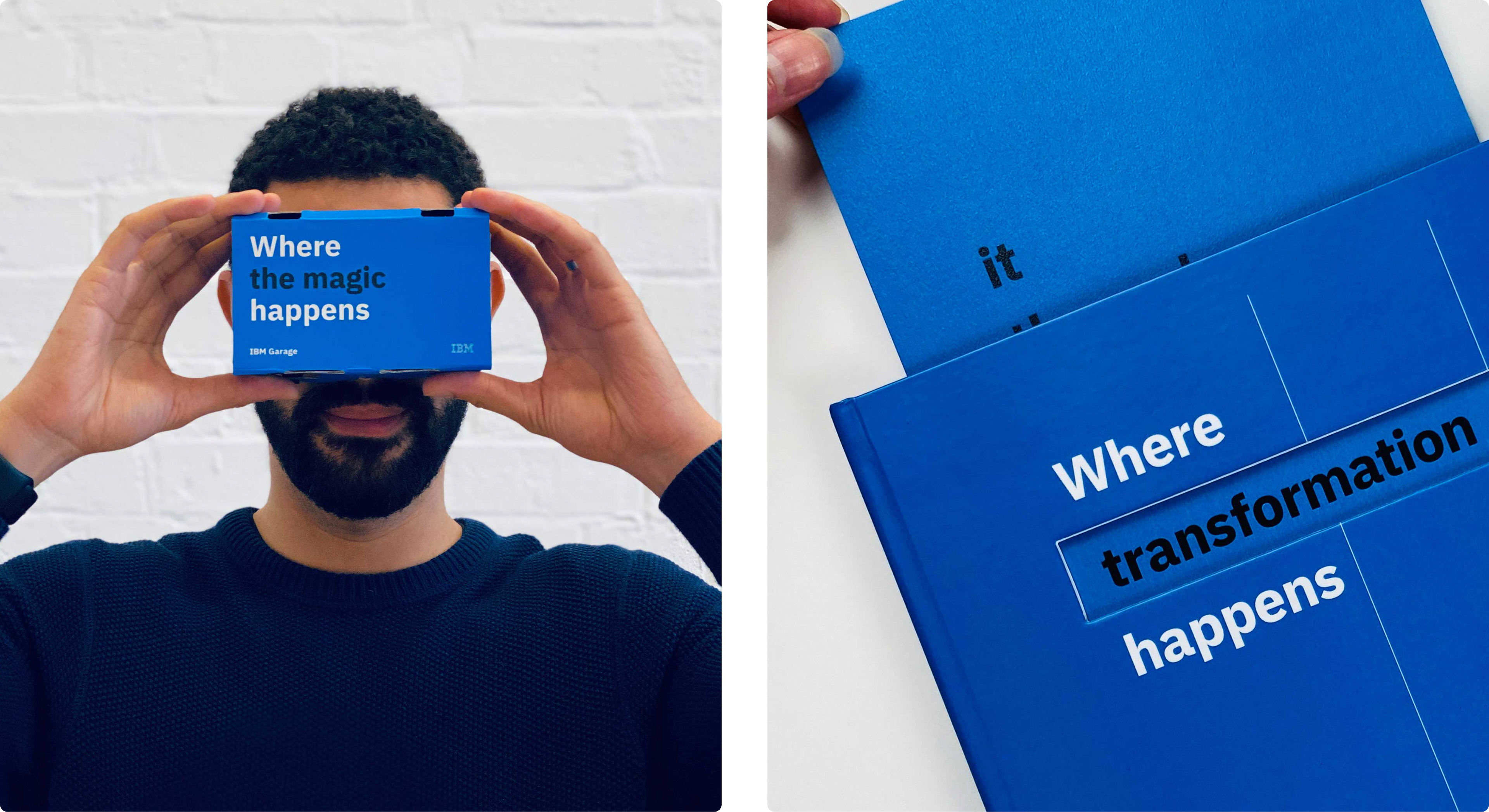
The right game is connected to the brand idea. For IBM Garage, interactive elements in a direct mail campaign included a 65-clue crossword and a 360-degree video viewed through Google Cardboard and a phone. The experience was designed to embody innovation and experimentation, making the campaign itself a demonstration of the Garage proposition. A game is most credible when its format, challenge and reward all reinforce the message people should retain.

Sources: Why it pays to play in B2B

Active participation makes the campaign message harder to ignore

A B2B campaign game works by requiring audiences to interact with the content in order to progress, creating a more immersive experience than passive communications alone. Puzzle, spatial and exploratory mechanics can invite trial and error, curiosity and repeat attention, while giving the brand a distinctive way to tell its story.

Games are not limited to events. They can work in direct mail, digital experiences and campaign platforms where the interaction is purposeful and accessible to the intended audience. IBM Garage used a print book and virtual reality experience to combine physical and digital engagement around a co-creation offer. The creative concept focused on the place where innovation happens, rather than treating the game-like elements as separate entertainment.

Sources: Why it pays to play in B2B, Why bold design is good business

Play needs practical content to build buyer confidence

For complex technology communications, a game should sit alongside practical information that helps buyers understand relevance, risks and next steps. A memorable interaction can open the door, but stakeholders still need content suited to their role, organisation and immediate decisions.

Design the experience around a clear campaign purpose before choosing a mechanic. The game should help people explore a challenge, see an outcome or experience the brand's point of view, rather than simply compete for attention. Complex change communications are more useful when they break a large idea into discrete, practical changes and articulate immediate benefits. Campaign content can also guide different stakeholders towards the insights and practicalities most relevant to them, helping a creative idea remain usable in a buying committee.

Sources: Why it pays to play in B2B, How to succeed at digital transformation: Influence many different people

Play works when it makes an innovation promise tangible

We believe a B2B game should make the brand promise more tangible, not distract from it. The strongest playful work gives people something meaningful to do that reflects the experience, challenge or mindset behind the offer. We applied that principle to IBM Garage through a campaign combining a coffee-table book, a 65-clue crossword, Google Cardboard and a 360-degree video. We also developed the IBM Garage concept around a physical and virtual experience designed to stand apart from other innovation hubs. The campaign doubled average IBM page engagement and generated $62 million in lead progression in five months, showing how bold, multi-sensory creative can support a serious B2B proposition.

Sources: Why it pays to play in B2B, Why bold design is good business

FAQs

Are games only suitable for B2B events?

No, a B2B game can work beyond an event when it gives the audience a useful way to engage with campaign content. IBM Garage used interactive direct mail, including a crossword and a 360-degree video, to create an experience around innovation and experimentation. The format should fit where the audience is willing and able to participate.

What should a B2B campaign game ask people to do?

A B2B campaign game should ask people to take an action that reinforces the campaign message, such as solving, exploring or discovering relevant content. The interaction needs to make the proposition more concrete, not merely provide a diversion. Puzzle and immersive formats are useful when active participation helps the audience remember the story behind the offer.

Can a game explain a complex B2B offer?

A game can introduce or embody a complex B2B offer, but practical content must still explain benefits, relevance and implementation considerations. Communications for complex change work best when large ideas are broken into discrete changes with immediate benefits. Content tailored to different stakeholder roles can then provide the detail needed for confident evaluation.

How can we judge whether a B2B game campaign worked?

Judge a B2B game campaign against campaign outcomes as well as engagement, including whether it helps the audience understand and progress towards the offer. For IBM Garage, the campaign doubled average page engagement and generated $62 million in lead progression in five months. Results should be assessed against the campaign's specific audience, proposition and commercial objective.