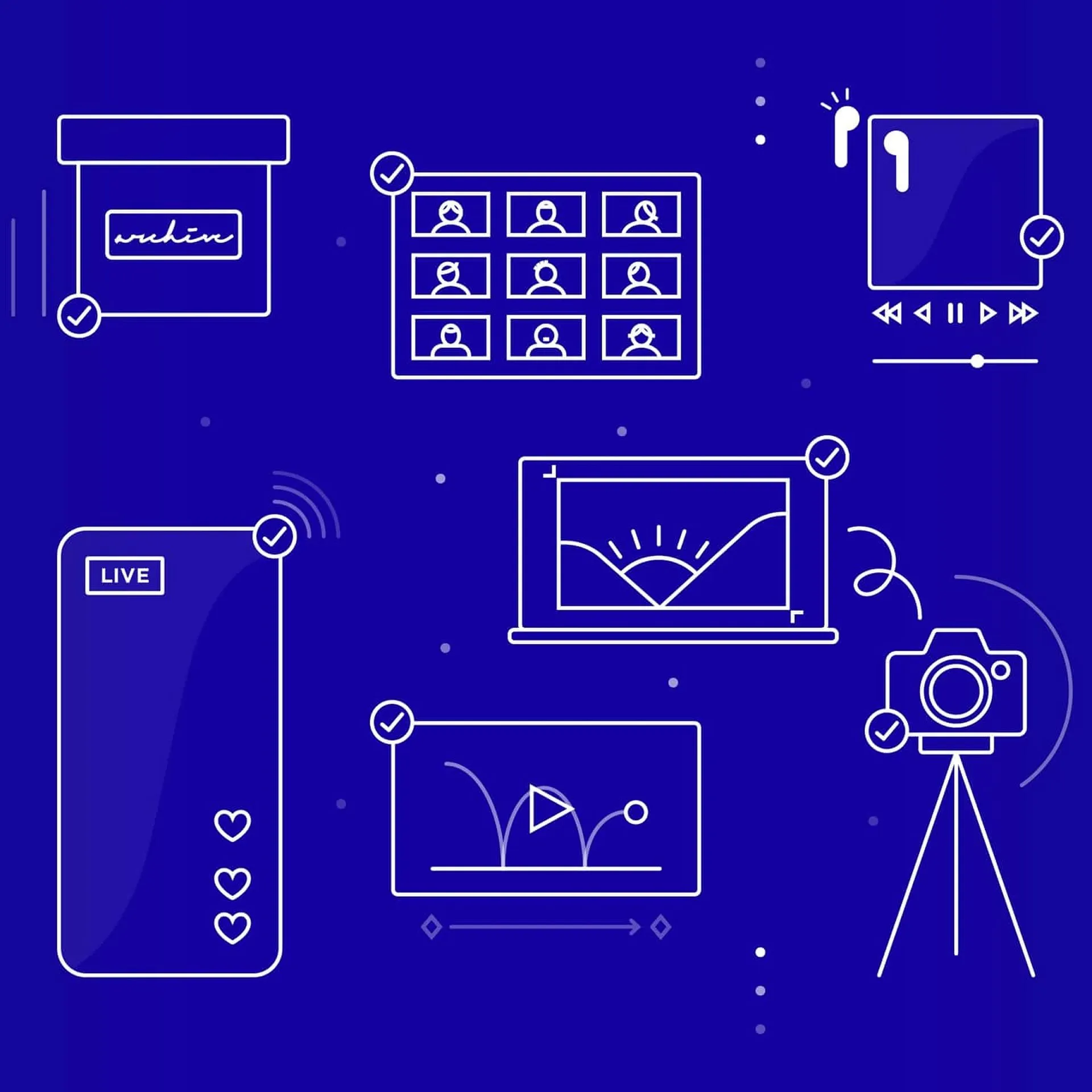
How should B2B teams repurpose existing video?

B2B teams can turn existing video and archive material into new campaign assets by selecting footage that supports a clear story, grouping it by audience or theme, and adapting it for the chosen format. A longer recording can become short videos or podcast material when the edit, sound and supporting narrative are designed for the new use.

Start with the story already in the archive

Existing interviews, b-roll, event recordings, photography and past documentation can provide the raw material for a new piece of content. The useful starting point is not simply to find old footage, but to identify assets that can support the campaign story now. In one archive-based project, material spanning 31 years was reviewed and organised into buckets aligned with the themes of a series of shorter videos.

That approach helps teams move from a large collection of material to a purposeful edit. Archive footage can be refreshed with a new voiceover, motion graphics and text, creating a new piece from existing visual material. The result should be shaped around a defined narrative and audience, rather than treating reuse as a straightforward re-upload of an old recording.

Sources: How to Deliver Cracking Video Content During Lockdown, Match point: how The Frameworks created an integrated Wimbledon and IBM campaign in two weeks

Adapt the source material for each format

Repurposing works best when the original recording is treated as source material, not as a finished asset for every channel. A campaign film can be structured into a set of shorter, shareable videos, each focused on a distinct aspect of the wider story. This gives each cut a clearer purpose while retaining a consistent campaign thread.

A webinar, interview or other longer-form video can also provide the basis for a podcast. The audio needs editorial treatment suited to listening: a fresh voiceover for exposition is preferable, and the speaker needs a quiet location and appropriate sound-recording equipment. For discussion-led recordings, editing can remove repetition, pauses and microphone problems, while captions, supporting imagery, branding and sound clean-up can make the video version more compelling.

Sources: How to Deliver Cracking Video Content During Lockdown, Match point: how The Frameworks created an integrated Wimbledon and IBM campaign in two weeks

Build a suite of assets around different audiences

One source production can support more than one communications need when each output has a specific job. A video-led campaign can include an overarching film and shorter edits, while related supporting content can help sales teams start customer conversations or help internal audiences engage with the campaign.

The key is to give each audience material that reflects its context. Short videos can isolate individual themes from a larger story. Sales materials can focus on the information that helps commercial conversations. Internal content can create understanding and involvement among employees. This is a content-planning decision as much as an editing decision: the archive, interviews and newly recorded material need to be organised around the messages each audience needs to receive.

Sources: How we navigated lockdown to deliver a suite of video content for Wimbledon and IBM, Match point: how The Frameworks created an integrated Wimbledon and IBM campaign in two weeks

Stats

Edison Research reports that 73% of Americans aged 12 and over consumed a podcast in audio or video format.

Edison Research

FAQs

Can a recorded webinar become a podcast episode?

Yes, a longer-form video recording can be repurposed into podcast material. It normally needs audio-focused editorial treatment rather than a direct export, including clear exposition, suitable recording conditions and sound quality work. A fresh voiceover is preferable where the original recording needs added context.

What can archival footage become?

Archival footage can become a new film, shorter videos or supporting campaign content when it is reorganised around a current story. Existing visuals can be refreshed with a new voiceover, motion graphics and text. Interviews, b-roll, old photography and documentation can all contribute to the final edit.

How can video recordings be improved for reuse?

Video recordings can be improved through a focused edit that removes pauses, repetition and technical distractions. Sound can be cleaned up, while captions, supporting imagery, branding and visual adjustments can improve clarity and consistency. For remote recordings, consistent framing and lighting also make later cropping and editing easier.

How do I repurpose existing video content?

Use the recording as source material, then organise and adapt it around a specific story and audience.

  1. Review usable material

    Gather the interviews, b-roll, recordings, photography and documentation that could support the current story. Group potential assets into themes so the strongest material is easier to identify.

  2. Assign each output a purpose

    Decide whether the material should become a campaign film, short video, podcast content or supporting communications. Give each format and audience a distinct message rather than publishing the same recording everywhere.

  3. Edit for the new format

    Refresh and refine the source material for its destination. Use editing, sound clean-up, captions, voiceover, graphics or text where needed to make the new asset coherent and useful.