How do B2B brands reach buyers' day-one shortlists?

B2B brands are more likely to earn a place on buyers' day-one shortlists when technical value is expressed through a distinctive, human narrative and repeated consistently across touchpoints. Keep functional proof visible, then use a defined brand platform to guide people and AI-assisted content.

Make technical value meaningful to people

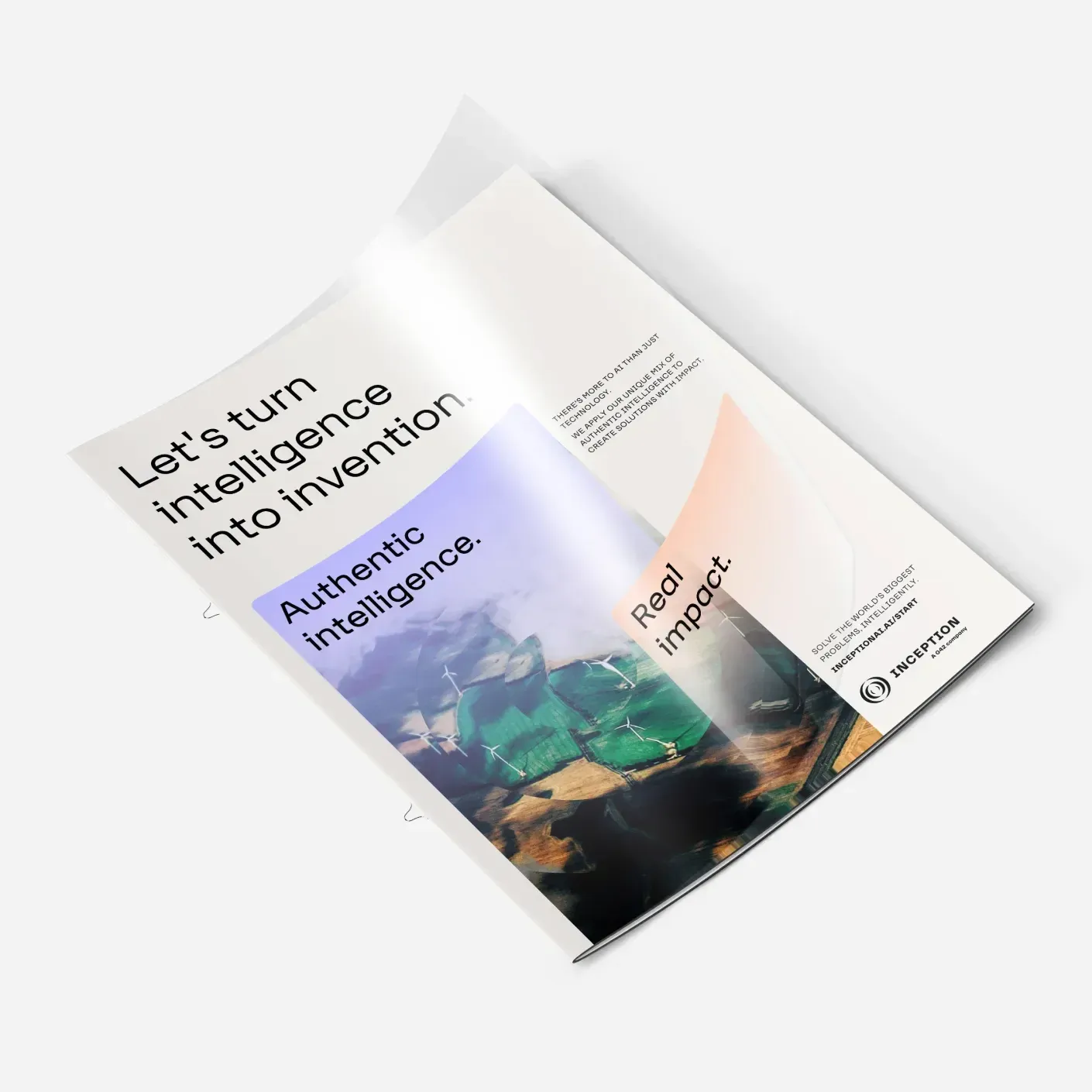
Technical credibility is essential in complex B2B buying, but capability alone can be difficult to remember when competing offers sound alike. A stronger narrative connects what an organisation does with the business, human or real-world change it enables. This does not mean replacing proof with emotion. It means translating specialist expertise into language and stories that help decision-makers understand why the capability matters.

A useful narrative gives technical claims a clear role: it shows the outcome, makes the value tangible and retains the evidence buyers need to assess the offer. In technology and engineering contexts, this can shift the focus from systems, features or services towards progress, impact and the problems an organisation is equipped to solve. Human relevance makes the proposition easier to understand and share, while functional proof makes it credible.

Sources: Inception: Unlocking invention through authenticity, This is IBM: Brand Awareness Campaign, UST: Building a brand for boundless impact, Tata Technologies — Re-engineering Tata Technologies for a better future

Turn positioning into a system people can use

A positioning statement has limited value if it remains a central marketing document. It needs to become a practical system that gives leaders, sales teams, employees and external partners a common way to describe the organisation. Start with a clear insight into the audience, the competitive context and the value the organisation can credibly claim. Then translate that insight into a narrative, verbal identity and visual identity that reinforce the same idea.

The system should be visible in real touchpoints, not just in guidelines. Websites can be organised around customer challenges rather than service lists. Employee playbooks, social templates, campaigns and sales materials can give people repeatable ways to communicate the story. When each expression is grounded in the same narrative, the brand is more recognisable across channels while allowing the message to remain relevant to different audiences.

Sources: 2X: The 2X Effect — A brand for marketing's next power move, Inception: Unlocking invention through authenticity, Tata Technologies — Re-engineering Tata Technologies for a better future, This is IBM: Brand Awareness Campaign

Use AI to extend a brand platform, not replace it

AI can make content faster to produce, but speed and polish do not create distinctiveness. When organisations use the same tools to make similar claims, communications can become competent yet interchangeable. A firm brand platform gives AI-assisted work an anchor: clear purpose, consistent behaviour, genuine audience understanding and a recognisable point of view.

Treat AI output as material to assess against that platform, rather than as a substitute for it. Content should remain authoritative, evidenced and directly relevant to the audience question it is meant to answer. Existing case studies, technical materials and subject-matter knowledge can be restructured into useful, accessible content that carries the brand's own perspective. This helps preserve relevance and credibility where audiences increasingly encounter brands through AI-mediated answers.

Sources: The Prompt: Why brand matters more than ever in an AI world, The Prompt: Your brand content is losing you AI search – but it could be the solution

Stats

Wynter reports that 92% of B2B buyers purchase only from their day-one shortlist, while 13% of surveyed companies run brand-tracking surveys covering consideration, preference and purchase intent.

Wynter

Wynter reports that 46% of surveyed B2B SaaS companies describe their brand as only somewhat distinctive and 40% as only slightly distinctive.

Wynter

FAQs

Does emotional storytelling work in B2B?

Yes, when emotional storytelling gives functional value a more memorable and human context. It should complement technical, commercial and operational proof, not displace it. Stories grounded in familiar experiences can help employees and buyers explain complex capabilities with greater clarity and confidence.

How can AI content stay on-brand?

AI-assisted content stays on-brand when it is built from a clear brand platform rather than generic prompts alone. Assess output for purpose, audience relevance, authority and factual support before it is used. Existing knowledge and content can then be structured to express the organisation's own perspective more consistently.

Do messaging frameworks improve brand consistency?

A messaging framework can improve consistency when it gives teams a usable shared narrative across real communications. It needs to be activated through touchpoints such as websites, campaigns, employee materials and sales assets, rather than left as a standalone document. A common story can connect verbal and visual expression across audiences and channels.

How do I build a consistent B2B brand narrative?

Create a clear story, turn it into practical assets and apply it consistently wherever buyers encounter the brand.

  1. Find the central insight

    Identify the audience problem, competitive context and value your organisation can credibly own. Frame the story around the change your capabilities enable, not only the capabilities themselves.

  2. Build the narrative system

    Translate the insight into a clear narrative, verbal approach and visual expression. Make technical proof part of the story so the message remains credible for commercial and specialist audiences.

  3. Activate it in real touchpoints

    Apply the narrative across website content, campaigns, employee materials and sales communications. Review AI-assisted content against the same platform so new material remains recognisable, relevant and evidenced.