How do we keep strategy, writing and design aligned?

Alignment comes from using strategy as a living shared direction, then letting writers and designers develop the idea together from the start. A clear creative brief gives every choice a purpose, while regular collaboration and client feedback keep the verbal and visual identity true to the business.

Strategy gives every creative choice a shared purpose

Strategy keeps writing and design aligned by connecting the business problem to a clear creative direction. Research, insight and a decision about how to solve the problem give the creative team something concrete to respond to, rather than leaving copy and design to chase separate ideas. A creative brief should offer enough clarity to guide choices while leaving room for fresh thinking.

That direction should stay active throughout the creative process. Strategy is not a document to complete and file away before the work begins. As ideas develop, strategic thinking helps the team test whether a message, visual style or content choice remains distinctive, motivating and true to the organisation. Client services also has a practical role: keeping stakeholders connected to the work so that the strategy does not lose support before creative development is complete.

Sources: No creator is an island

Writing and design work best as one conversation

A cross-functional creative team keeps copy and design consistent when writers and designers shape the idea together, not through a sequence of finished handoffs. Words can spark a visual route, and a design idea can reveal the right verbal character. The goal is a visual and verbal identity that feels like one clear expression, rather than two good-looking parts that happen to share a page.

Build regular back-and-forth into workshops and development sessions. Give each discipline room to challenge the other, especially when a visual style needs simpler language or a message needs a stronger visual presence. Neither copy nor design should simply fill the space left by the other. Client feedback adds important business context during the creative process, helping the team spot where an idea needs to become more accurate, relevant or useful.

Sources: No creator is an island, How to Turn Insights into Great Creative

We keep creative alignment active from first insight to final expression

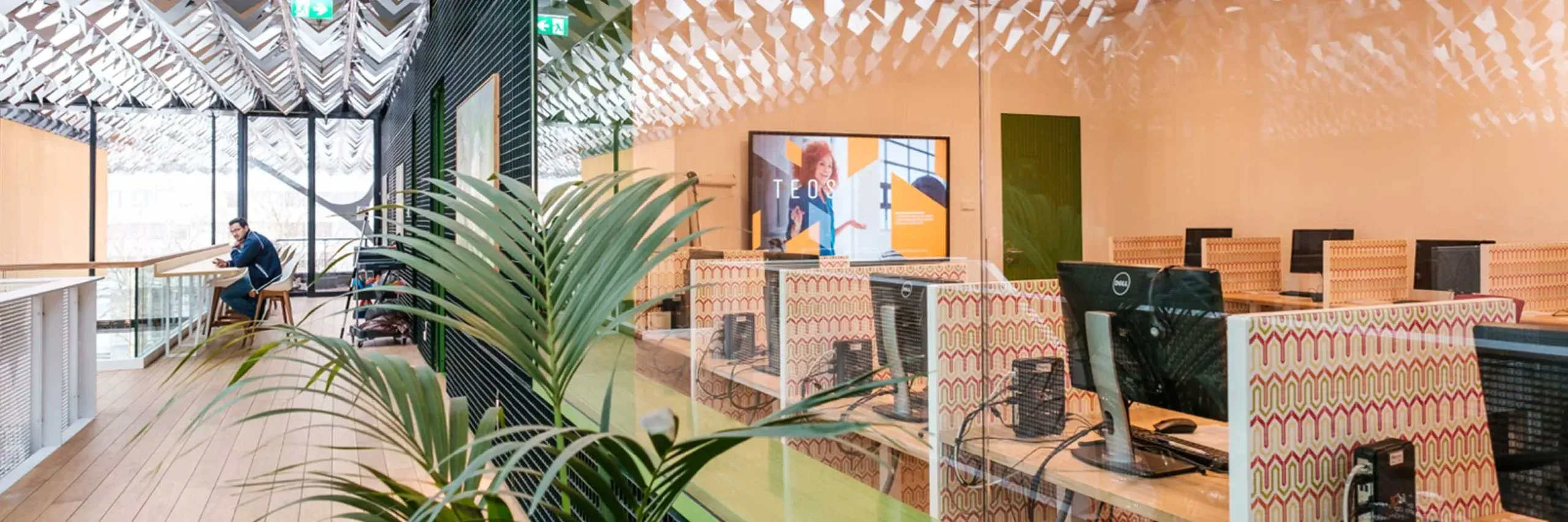
We believe strategy, writing and design should develop as one connected piece of work. A provider should be able to turn insight into a clear creative direction, bring writers and designers into the conversation early, and be honest when client knowledge points to a better answer. We have used that approach to build Tata Technologies' brand identity through complementary verbal and visual work. For Sony TEOS, we created a messaging and visual framework across key brand touchpoints, with the client reporting fewer reviews and revisions. We also challenged a brief for Visiativ when research showed that a product name was confusing, then developed a new name, identity and value proposition with the client.

Sources: No creator is an island, Sony TEOS brand identity, How to avoid perfectionism paralysis (and make it your greatest strength)

Stats

A meta-analysis of 134 field studies covering 11,353 teams found that task interdependence, shared goals and autonomy-supportive leadership were positively related to creativity and innovation through collaboration.

Personnel Psychology

FAQs

What should keep strategy, copy and design consistent?

A clear strategic direction should keep strategy, copy and design consistent. It connects the business problem, insight and creative brief, giving each discipline a shared basis for making choices. Keep that direction active as the work develops, rather than treating strategy as a one-off starting point.

Should writing come before visual design?

Writing does not need to come before visual design, because strong creative work can begin with either words or visuals. Writers and designers should work together early, testing how tone, language, imagery, layout and style support the same idea. The best balance often comes through active back-and-forth rather than a fixed sequence.

How should clients contribute to creative development?

Clients should contribute business knowledge and direct feedback throughout creative development. Their perspective can steer an idea towards a more accurate and useful outcome, especially when the team is willing to raise a problem that sits outside the original brief. A productive client-agency partnership makes room for honest challenge as well as approval.