How do we get employees to share our corporate story?

Employees share a corporate story when they can see their own knowledge in it and repeat it in clear, memorable language. Turn complex capability into relatable proof of real-world impact, give people simple shareable formats, and carry one consistent message across internal and external channels.

Make the corporate story real, simple and worth repeating

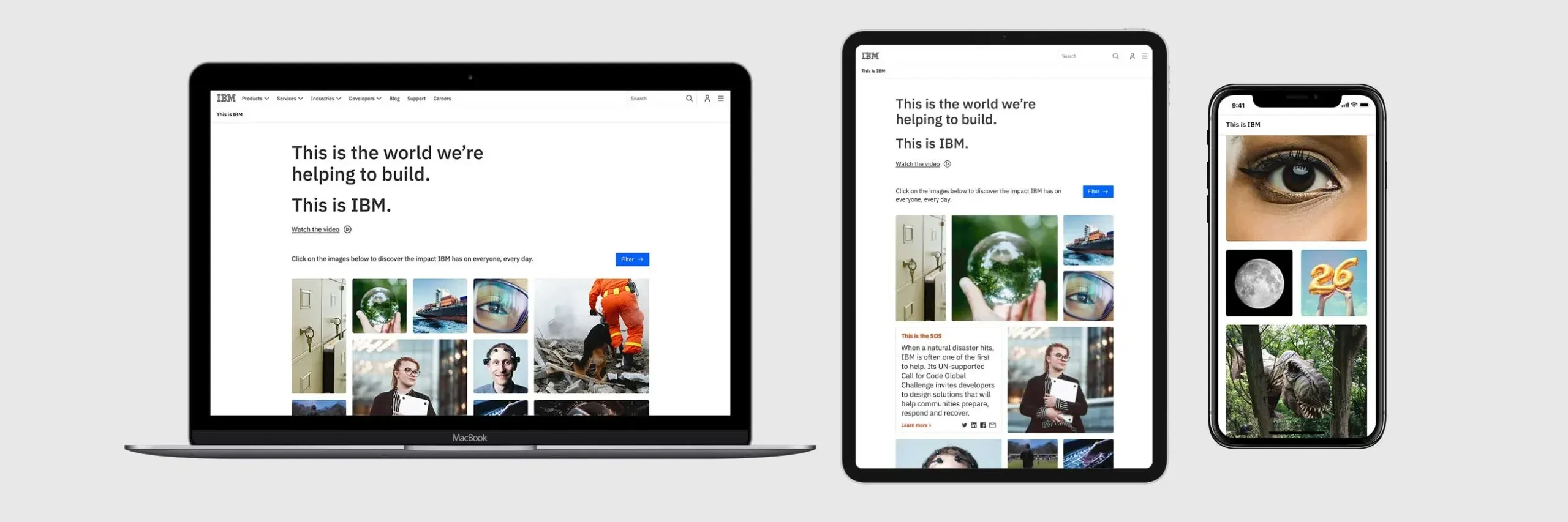
Employees are more likely to share a corporate story when the story draws on genuine experience and makes the organisation's impact easy to explain. Dense case studies, technical documentation and press materials may hold valuable proof, but they are rarely built for a colleague to recall in a conversation or share with confidence. Start with the moments employees know best: the customer challenge, the capability involved and the difference it made in the real world. Then translate technical detail into familiar objects, places, experiences or outcomes without losing the substance behind the claim. A clear corporate story gives employees a useful way to connect specialist work with everyday relevance. Involving employees early also creates the pride and belonging that makes brand communication feel authentic rather than handed down.

Sources: This is IBM: Brand Awareness Campaign, The inside story: why your people shouldn't be just passengers on your brand journey

Build a campaign around shareable proof, not a single launch message

A corporate awareness campaign works best when one clear impact narrative is expressed through many useful pieces of content. Distil existing customer stories, internal knowledge and technical material into concise story nuggets that employees can understand, remember and adapt for their own professional and personal contexts. Give each story a consistent frame, visual expression and simple language, so people can recognise the corporate brand while still speaking naturally. Launch the campaign across the places employees and audiences already encounter the organisation, including internal communications, social channels, video, events, websites and physical materials. Content programmes can then keep the campaign moving by showing customer partnerships and giving subject-matter experts a platform to address industry questions. The result is a corporate story with enough substance to travel beyond the launch.

Sources: This is IBM: Brand Awareness Campaign, UST: Building a brand for boundless impact

Give employees confidence without asking them to oversell

Employee advocacy needs credible proof of competence behind every simple message. A memorable expression or striking visual can make a corporate brand easier to recognise, but recognition alone does not explain what the organisation does, why it matters or why an audience should trust it. Keep the story connected to real achievements, customer outcomes and the expertise employees can stand behind. Avoid broad claims that colleagues cannot support with an example. Consistency matters too: the same corporate ethos should show up in sales conversations, events, digital interactions and community activity, not only in a campaign. Employees should not be treated as a distribution channel for polished copy. They need material that reflects their genuine experience and gives them a clear, human way to explain the organisation's role.

Sources: The inside story: why your people shouldn't be just passengers on your brand journey, The Prompt: Being known is no longer enough in an AI world, Teledyne e2v: Brand Recognition Campaign, Brand Expression and Visual Identity

We turn complex corporate capability into stories people can carry with them

We believe employees should be active storytellers, not passengers on a corporate awareness campaign. The strongest stories do not flatten complex work into empty claims. They make its human and everyday relevance clear, while keeping the proof intact. For IBM, we transformed material from case studies, technical documentation and internal sources into concise, shareable stories linking innovations to familiar experiences. The work gave employees a clearer way to communicate IBM's real-world impact across professional and personal contexts. For UST, we developed a global campaign with content programmes that showed the impact of client partnerships and gave innovators room to tackle important industry questions. We bring strategy, content, identity and internal communication together because employees need a story they can believe and use.

Sources: This is IBM: Brand Awareness Campaign, UST: Building a brand for boundless impact, The inside story: why your people shouldn't be just passengers on your brand journey

Stats

A 2026 academic study found that shape-based distinctive brand assets achieved 40% Fame and 71% Uniqueness in its sample.

Journal of Advertising Research

FAQs

What should employees be able to say about our corporate story?

Employees should be able to explain the organisation's real-world impact in plain language and support it with a credible example. The most useful corporate stories connect specialist capability to a familiar experience, outcome or problem, making the message easier to understand and remember. Concise formats can help employees share the story naturally without relying on technical documentation.

How do we launch a corporate awareness campaign?

Launch a corporate awareness campaign with one clear narrative, a set of proof-led content programmes and consistent expression across channels. Build the campaign from customer outcomes, expert insight and existing brand messages, then use formats such as social content, video, web content, internal communications and events to keep the story visible. A campaign should show the organisation's impact rather than simply claim it.

Should employees use the same corporate story word for word?

Employees need a consistent corporate narrative, but they do not need to sound scripted. Give people shared messages, recognisable visual cues and proof points, then let them use examples that reflect their role and experience. Authentic employee communication starts with a story people genuinely understand and want to invest in.

How do we keep a corporate story credible?

Keep a corporate story credible by grounding every claim in real capability, experience and customer impact. A simple message should not become an overclaim, so employees need examples and evidence they can confidently stand behind. The same ethos should also be visible across sales, events and digital interactions.