What shows whether sports sponsorship activation earns its extra cost?

Sports sponsorship activation earns its extra cost when it gives the brand a credible role in the event, improves the participant or fan experience, and produces outcomes beyond exposure alone. Assess the investment through audience engagement, strength of the brand-property connection, and internal participation, pride and advocacy.

Assess activation by its contribution, not logo visibility

Sponsorship rights can create association, but activation should give audiences a reason to understand what the brand contributes. A useful test is whether the work connects the brand's role, values and capabilities to an experience that matters to participants, supporters or fans. The activation should make the partnership more meaningful, rather than simply adding branded communications around an event.

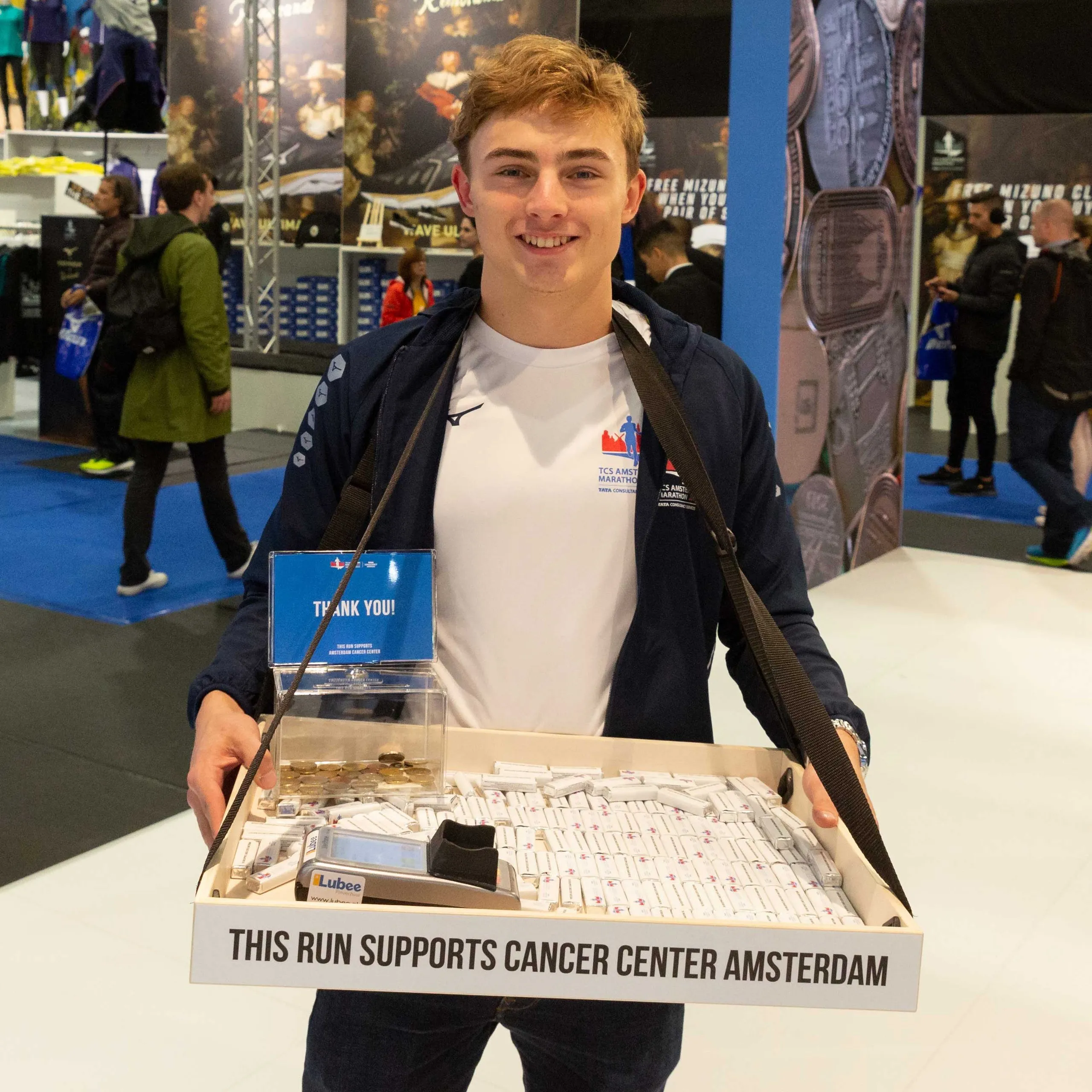
Tata Consultancy Services approached its marathon partnerships through wellness, community spirit and the emotional experience of running. The This Run campaign connected TCS with participants' personal motivations, while event installations promoted the runner and supporter apps that reinforced TCS's technical role. This created a connection between the brand, the event experience and the stories people wanted to tell. An activation has a stronger case for investment when it can demonstrate a similarly clear role.

Sources: Tata Consultancy Services: This Run brand campaign, A game plan for success: how B2B brands can tap into the spirit of sport

Build activation around authentic participant stories

Authenticity comes from recognising what participation means to people, rather than placing a generic corporate message over the event. Stories of preparation, motivation, achievement and support can make a sponsorship feel relevant when they are told by participants or remain close to their real motivations. The brand's role should support those stories without taking them over.

For TCS, This Run used simple, personal motivations such as running for a parent, a personal best or a world without cancer. The campaign ran through a dedicated site, social channels, marathon-specific activity and event expos, while retaining a shared idea across London, Amsterdam and Stockholm. The campaign was designed to be about more than TCS, putting the wider meaning of running at the centre. That approach provides a practical standard for judging whether a narrative is credible rather than manufactured.

Sources: Tata Consultancy Services: This Run brand campaign, Telling authentic tales

Include employees in the sponsorship story and measurement plan

Employees need enough context and involvement to understand why a sponsorship matters and how they can participate. Internal communications should explain the role of the partnership, provide useful materials for conversations, and create ways for people to engage with the event or campaign. Participation is more likely to feel meaningful when employees are treated as part of the story, rather than only as an audience for announcements.

In work for IBM and Wimbledon, supporting content included cheat sheets to help sellers start client conversations and an internal campaign with an animation and game intended to build excitement around Wimbledon. More broadly, involving employees in brand research and explaining the reasons behind change can address scepticism or apathy by giving people a role in the work. Measure awareness, participation, pride and advocacy before and after activation, alongside relevant commercial measures.

Sources: Match point: how The Frameworks created an integrated campaign for Wimbledon and IBM in two weeks, The inside story: why your people shouldn't be just passengers on your brand journey

Stats

A 2025 study based on interviews with 36 sport consumers identified experience design and sport connectedness as distinct dimensions of activation.

Journal of Marketing Management

FAQs

What makes a brand a credible fit for a sports sponsorship?

A brand is a credible fit when its role, values or capabilities connect naturally to what the sport or event means to participants and audiences. TCS's marathon activity linked its established focus on wellness and community with its technical role in runner and supporter apps, while This Run focused on personal motivations for taking part.

What makes a sports activation improve the fan experience?

A sports activation improves the fan experience when it adds useful, engaging or emotionally relevant content and services rather than interrupting the event with branding. TCS promoted apps for runners and supporters at marathon expos, while IBM and Wimbledon created content around remastered matches for modern, data-hungry fans.

What shows whether sponsorship builds employee pride?

Look for changes in employee awareness, participation, pride and advocacy, supported by clear baseline and post-activation measurement. Internal work is more likely to support pride when employees understand the purpose of the sponsorship, have practical ways to take part, and receive materials that help them discuss it with others.

Why can a community sponsorship campaign feel forced?

A community sponsorship campaign can feel forced when the narrative is imposed on audiences instead of reflecting real people, motivations and experiences. Authentic stories give participants room to speak for themselves and keep the brand close to a credible role, rather than making the sponsorship the centre of every story.

What gets missed when sponsorship ROI is measured through awareness alone?

Awareness alone does not show whether audiences understood the brand's role, found the experience valuable, or developed a stronger connection with the partnership. It can also miss employee participation and advocacy, plus the commercial conversations and outcomes that activation may be intended to support.

How do I plan a sports sponsorship activation across markets?

Use one credible sponsorship idea, then adapt the stories and participation opportunities to each event, audience and market.

  1. Define the brand's event role

    Identify what the brand can credibly contribute to the event and the people involved in it. Connect that role to the values, experiences or capabilities that are genuinely relevant to participants, fans and partners.

  2. Create a flexible shared story

    Build one central idea that can hold together activity across markets without erasing local relevance. Let participant motivations, event context and local stories shape the content within that shared idea.

  3. Activate and measure internally

    Give employees clear context, useful materials and opportunities to participate in the sponsorship story. Track awareness, participation, pride and advocacy alongside audience engagement and commercial measures.