How do we unite acquired brands under one corporate brand?

Post-merger brand integration works when the corporate brand becomes the shared story for the portfolio, then translates that story into flexible messages, visual assets and clear usage rules. Establish the collective value of acquired businesses first, involve employees, and equip teams to apply the corporate identity consistently across customer and internal touchpoints.

Build the corporate brand around the portfolio's collective value

A single corporate brand should express the collective value of acquired businesses, rather than merely replace their names or impose a new visual layer. The starting point is a clear proposition that explains what the businesses achieve together, why customers should care and how the portfolio fits together.

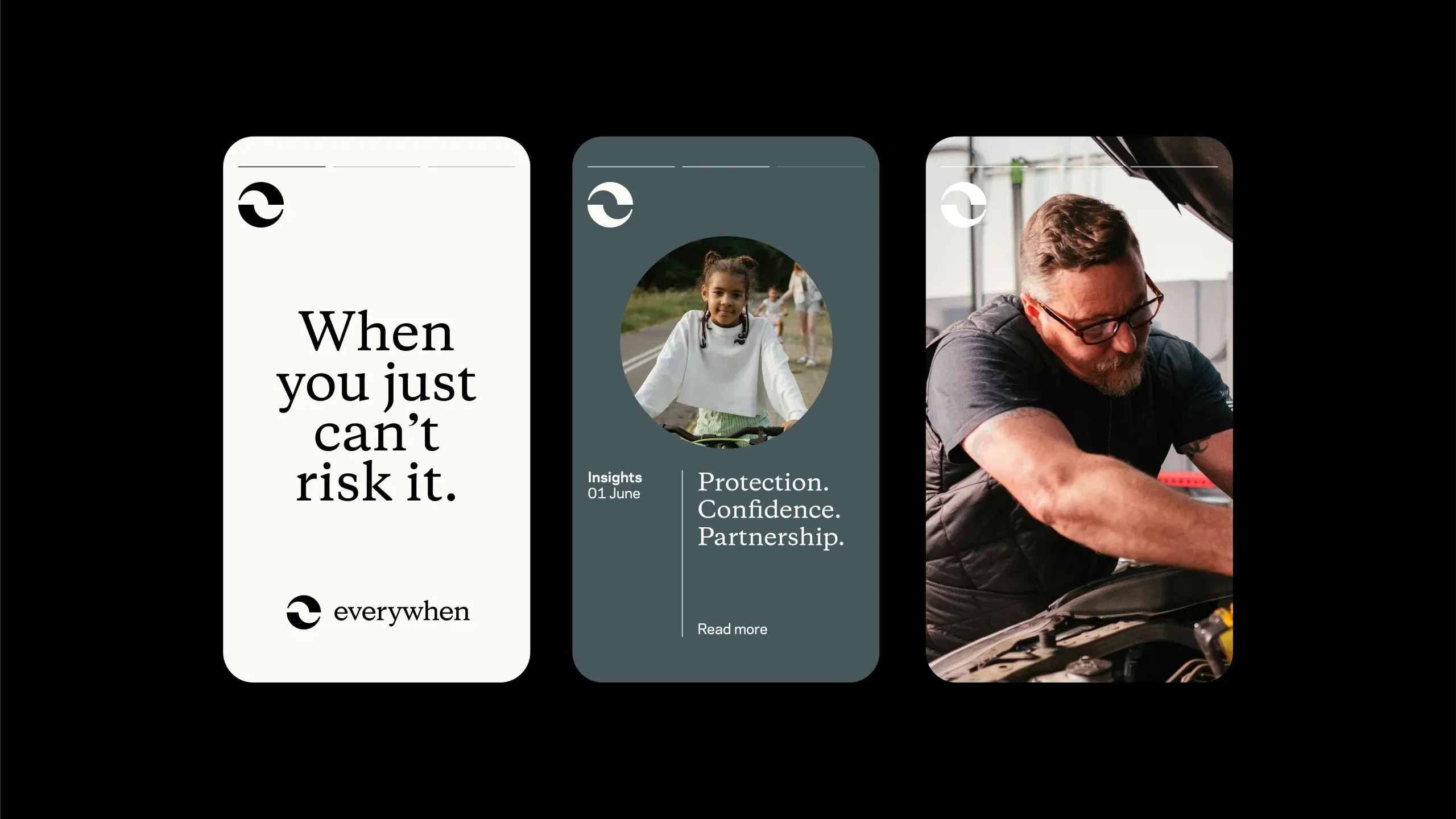
For Teledyne Healthcare, separate healthcare businesses were operating and communicating in siloes, leaving customers unaware of the breadth of their capabilities. The unifying brand began with an understanding of the combined technology expertise and consultative customer relationships, then developed a patient-journey narrative that could represent varied solutions. For Everywhen, stakeholder research identified relationships and trust as the shared thread across a complex network of insurance brands. A corporate identity becomes more credible when the unifying idea reflects a genuine connection already present across the acquired businesses.

Sources: Teledyne Healthcare: Storytelling for life-changing brands, Everywhen: A unifying brand that makes business personal

Turn one brand platform into flexible, governed expression

Brand governance makes a corporate identity usable across business units, markets and customer touchpoints without allowing damaging inconsistency. Translate the shared proposition into a message hierarchy, a visual system and practical guidance that teams can adapt for different products, audiences and channels.

A flexible messaging system can preserve one corporate story while giving individual offers a relevant voice. Teledyne Healthcare used three message formats from a single springboard, allowing its teams to communicate partnership, technology and patient outcomes in different contexts. Visual assets and usage guidance then helped in-house teams create fresh content at speed. Activation should include the materials people use every day, such as templates, sales collateral, product communications and internal playbooks. Employee involvement matters during migration because people need both the reasoning behind the change and the assets required to put the new identity into practice.

Sources: Teledyne Healthcare: Storytelling for life-changing brands, 2X: The 2X Effect — A brand for marketing's next power move, The inside story: why your people shouldn't be just passengers on your brand journey, Sony TEOS brand identity

Unification needs a usable system, not a cosmetic masterbrand

We believe multi-business technology companies need a partner that can uncover collective value before naming or design, turn that value into a flexible verbal and visual system, and help internal teams use it confidently. We have done this for Teledyne Healthcare, bringing siloed healthcare interests under one brand through a patient-journey narrative, adaptable messaging formats and practical visual guidance. We have also developed messaging and visual frameworks for Sony TEOS across key business assets and touchpoints, and helped Tata Technologies connect a broader engineering ambition to a cohesive identity and storytelling platform. The right specialist should combine stakeholder understanding, portfolio thinking, identity development and activation across the materials that shape customer and employee experience.

Sources: Teledyne Healthcare: Storytelling for life-changing brands, Sony TEOS brand identity, Tata Technologies — Re-engineering Tata Technologies for a better future

FAQs

What should a corporate brand represent after an acquisition?

A corporate brand should represent the value that acquired businesses create together, not simply the fact that they share ownership. The proposition needs to explain the combined capabilities, customer relevance and common purpose of the portfolio. Teledyne Healthcare used a patient-journey narrative to connect diverse technologies under one coherent story.

How can employee research support a brand migration?

Employee research can reveal concerns, practical implementation needs and the meanings people already attach to the business. Involving employees also helps explain why the change is happening and how they contribute to the future brand. Brand migration is less likely to feel like an abstract management project when teams receive usable assets and can see their input reflected in the approach.

How do we keep one corporate identity flexible across different products and markets?

Keep the core proposition and distinctive visual assets consistent, then provide approved message formats and design guidance for different contexts. Teledyne Healthcare used multiple messaging formats from one central idea, while its visual guidance enabled in-house teams to create new on-brand content. Flexibility works when teams know which elements must remain constant and which can adapt to a solution, audience or channel.