How do we turn positioning into one brand platform?

Turn positioning into one brand platform by making one clear story the source for messaging, visual identity and every key brand touchpoint. Start with the shared value behind the offer, build a message hierarchy and flexible creative system around it, then test whether people can recognise and explain the same promise.

One platform turns a market position into a usable brand story

A unified brand platform connects positioning alignment to the words, visuals and proof people encounter across the business. It is not a campaign line or a set of design rules in isolation. It is the shared springboard that explains what the organisation stands for, why it matters and how that idea should show up in a verbal identity, visual identity system and brand experience.

The strongest platforms begin with the collective value of the business, especially where separate offers or teams have been communicating in siloes. That shared value can then become a simple central narrative, supported by a messaging framework that gives different audiences and channels their own relevant expression without losing the core idea. The result is clarity with room to flex, rather than identical copy everywhere.

Sources: Teledyne Healthcare: Storytelling for life-changing brands, Tata Technologies — Re-engineering Tata Technologies for a better future, Wates: Reimagining a Brand with Purpose

Build the message and design system from the same creative springboard

Brand consistency comes from translating one positioning idea into connected verbal and visual choices, then making those choices practical for the people using them. Define the lead message first, along with the proof and audience needs that give it credibility. Build supporting message formats so product teams, sales teams and regional marketers can adapt the story for different situations.

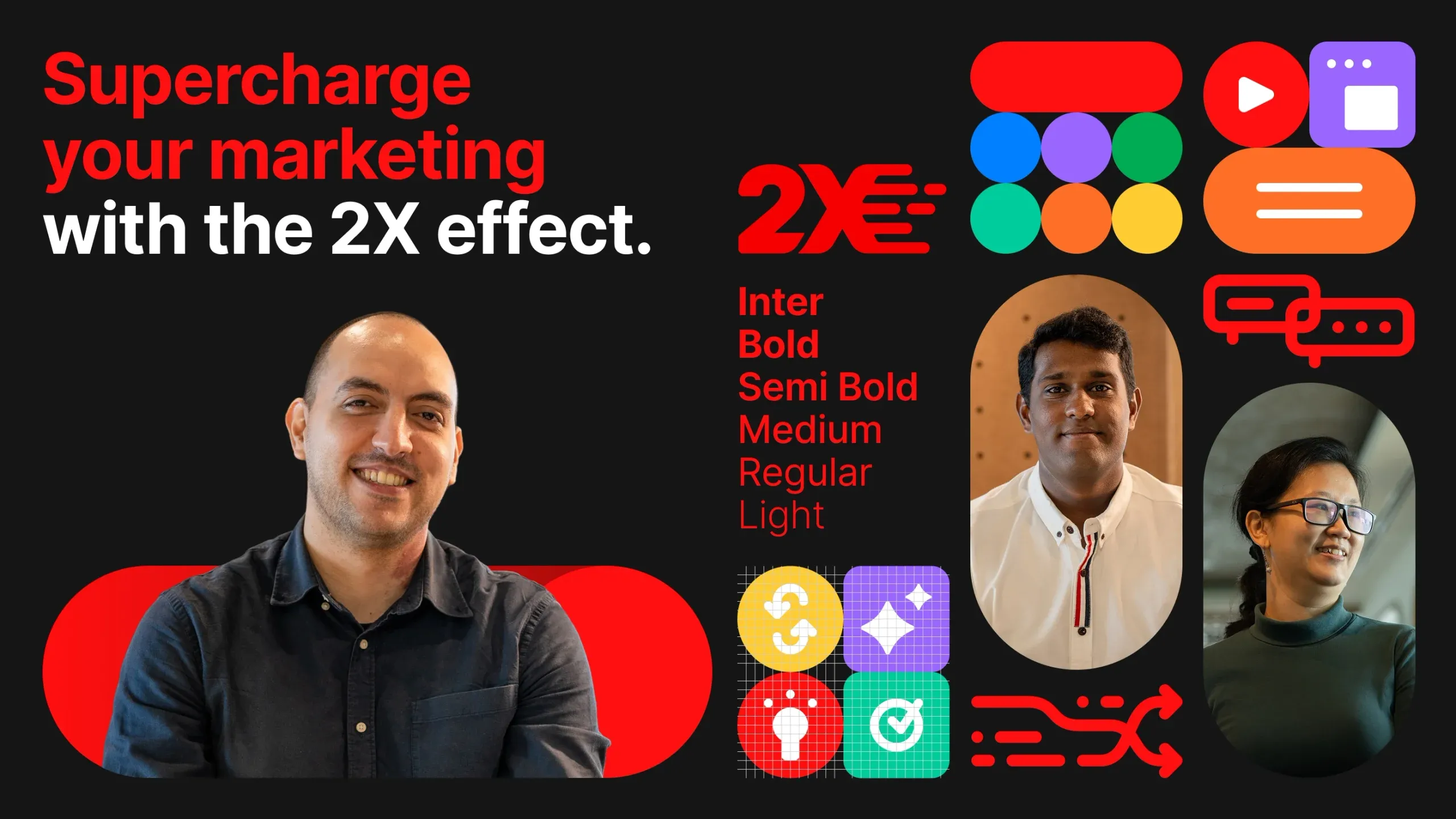
Create the visual identity system alongside that messaging framework. A distinctive device, colour approach, image style or typography system should reinforce the same promise, not decorate it. Finally, apply the platform to the touchpoints where customers form an impression, such as the website, product materials, sales presentations and social content. Usage guidance and adaptable assets help internal teams create fresh work at speed while keeping the brand recognisable.

Sources: Teledyne Healthcare: Storytelling for life-changing brands, 2X: The 2X Effect — A brand for marketing's next power move, Sony TEOS brand identity, Wates: Reimagining a Brand with Purpose

A single brand platform should create coherence, not force sameness

We believe a unified brand platform works when it gives complex organisations one clear idea to rally around, while allowing teams to express that idea in ways that fit their audience and channel. That means strategy, language and design need to be developed as one connected system, not handed from one discipline to another. We have helped Teledyne Healthcare unite separate healthcare interests under a cohesive story, with flexible messaging formats and visual guidance for internal teams. For Wates, we built a messaging framework and refreshed visual identity around its purpose. When choosing a partner, look for someone who can connect positioning, messaging, identity and practical activation across the business, with enough nuance to make the system usable.

Sources: Teledyne Healthcare: Storytelling for life-changing brands, Wates: Reimagining a Brand with Purpose

Stats

FAQs

How do we check whether audiences understand the new identity?

Check whether audiences can describe the same role, value and proof after encountering different brand touchpoints. Review the website, sales materials, product communications and campaign assets together, then use audience and stakeholder conversations to identify where the story is clear and where old perceptions still persist. A new identity is working when its narrative, design and customer-facing content reinforce the intended position rather than competing with one another.

Should every market and team use exactly the same brand message?

No. A single brand platform should keep the central promise and visual cues consistent while giving teams flexible formats for different audiences, products and channels. A useful messaging framework makes adaptation easier because it defines what must remain recognisable and where teams can add relevant detail.

What should a brand platform include?

A practical brand platform includes a clear central narrative, lead and supporting messages, proof points, a verbal identity, a visual identity system and guidance for applying them across key touchpoints. It should also provide adaptable assets so internal teams can produce on-brand communications without starting from scratch.

Which firms unify brand systems for technology companies?

Choose a partner that can link brand strategy, messaging, visual identity and activation across technology touchpoints, rather than treating the website, sales materials and product communications as separate exercises. The Frameworks has built brand strategy and identity for technology businesses including Tata Technologies and Sony TEOS, translating complex offers into clearer narratives and connected brand assets.

Glossary

Messaging framework
A structured set of lead messages, supporting ideas and formats that helps teams express one brand position clearly across different audiences and channels.