Why do customers misread what a company does after acquisitions?

Customers can misread an acquired portfolio when its businesses communicate separately, their relationships are unclear, and the collective value is not expressed through a coherent story. A new name alone will not resolve this. Diagnose the confusion, define the role of each brand, then implement the resulting system consistently across stakeholder touchpoints.

Find the specific source of portfolio confusion

Start by treating stakeholder confusion as a question to investigate, not an assumption that automatically justifies a rebrand. Speak directly with customers, employees and other stakeholders to understand what they think the organisation does, which brands they recognise, and whether they can explain how the businesses relate. Interviews, workshops, surveys and direct engagement can reveal issues that are not visible in performance dashboards alone.

This approach can identify a naming problem as well as a broader proposition problem. In work for Visiativ, research found that a newly introduced product name was confusing both customers and employees. That finding changed the scope of the work: alongside a new visual identity and value proposition, the product was renamed. The useful proof is therefore not that a portfolio looks inconsistent, but that important audiences cannot accurately explain the offer or the relationship between its parts.

Sources: Research and insights, How to Avoid Perfectionism Paralysis and Make It Your Greatest Strength

Define the collective story before changing the name

A master-brand change should follow a clear account of the collective value created by the portfolio. The task is to establish what the businesses can credibly say together, what each part contributes, and how the shared story helps customers understand the full offer without losing useful distinctions.

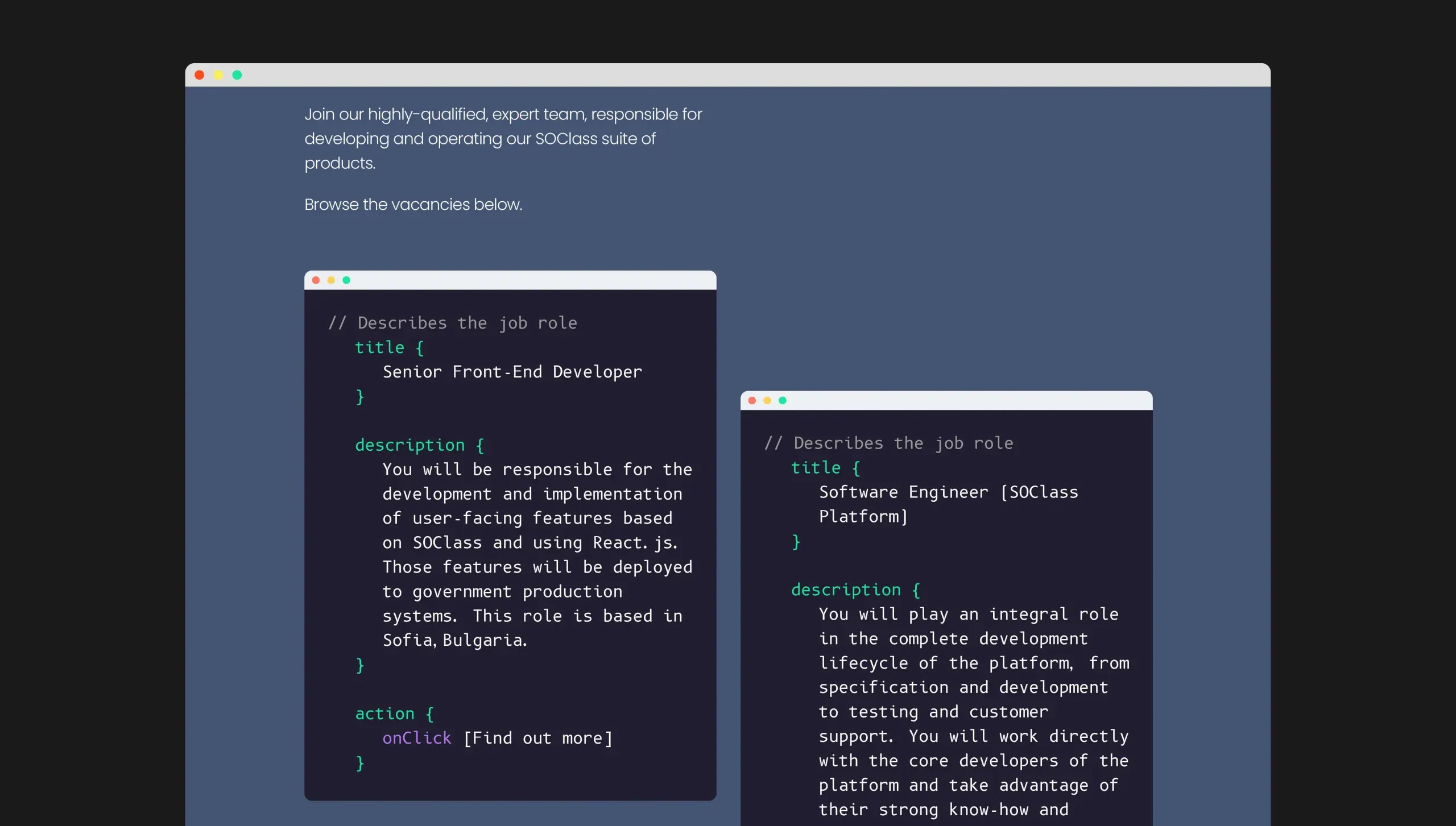
Teledyne's healthcare businesses had been operating and communicating in siloes, so customers were often unaware of the breadth of Teledyne's capabilities. The response went beyond applying a new name. It began by understanding the collective value of the businesses, then developed a verbal and visual identity around a patient-journey narrative. Strategy Object similarly brought its SOClass platform and company together under a single purpose, supported by a visual identity that created clear links between the two. In both cases, architecture, proposition and expression worked together.

Sources: Teledyne Healthcare: Storytelling for Life-Changing Brands, Strategy Object: An identity built on international trade

Treat implementation as part of the rebrand decision

A portfolio rebrand affects more than marketing materials. Employees need to understand why the change is happening and receive the assets required to apply it in the systems and experiences they manage. Without that involvement, a brand programme can feel like an abstract management project, while teams responsible for digital products may be left without the practical tools to update the customer experience.

For Price Forbes, employee involvement was built into the research phase during its consolidation within Ardonagh Specialty, alongside materials explaining the direction and employees' role in the future brand. Teledyne Healthcare also required a flexible messaging system, visual assets and usage guidance so its in-house team could create new content consistently. Assess the operational scope early: products, interfaces, sales materials, internal communications and governance all determine whether a new architecture is usable in practice.

Sources: The inside story: why your people shouldn't be just passengers on your brand journey, Teledyne Healthcare: Storytelling for Life-Changing Brands

Stats

A 2026 Journal of Consumer Research article reported six experiments in which some minor brand-name misspellings improved elaboration, memory and uniqueness.

The article authors

FAQs

What should a company fix before changing its name after acquisitions?

A company should first establish whether the underlying problem is an unclear portfolio architecture, overlapping propositions, fragmented messaging or a genuinely confusing name. Research with customers and employees can show where misunderstanding occurs and whether a naming change is warranted. A stronger response connects the name to a clear value proposition and identity rather than treating renaming as an isolated solution.

What should each brand do in a growing portfolio?

Each brand should have a clear role in the overall customer story, with a defined contribution to the collective value of the portfolio. The shared system should help customers understand the breadth of the organisation's capabilities while preserving distinctions that matter to specific audiences or offers. Teledyne Healthcare addressed siloed communications by building a cohesive narrative around its combined healthcare technologies.

What makes a new name hard to use across markets?

A new name is hard to use across markets when stakeholders cannot readily understand, explain or apply it consistently in the situations where they work. Test the name with the audiences who will encounter and use it, rather than relying only on internal preference. Direct stakeholder research can surface practical concerns before identity and messaging are finalised.

When does a new name become memorable to customers?

A new name becomes more memorable through familiarity and repeated exposure, not simply because it is introduced as part of a launch. Distinctiveness may support memory, but it should be assessed alongside relevance, clarity and how easily customers can recognise and use the name over time.

What makes a rebrand cost more than a new name?

A rebrand costs more than a new name when it requires changes to product interfaces, sales tools, messaging, digital experiences, employee materials and the systems needed to govern consistent use. Costs and effort also increase when the teams responsible for those touchpoints are not involved early enough to identify the assets and guidance they need. A usable brand system includes practical implementation support, not only an identity concept.

What should a company test before choosing a new name?

Test whether customers and employees understand what the name refers to, whether it supports the intended value proposition, and whether it creates confusion with existing products or brands. Use stakeholder interviews, workshops, surveys and direct engagement where appropriate. Visiativ's research identified that its new product name was confusing both customers and employees, creating a clear case for a naming change.

How do I roll out a new brand system?

Roll out a brand system by validating the need, giving each brand a clear role and equipping every implementation team to apply the change.

  1. Validate the problem

    Ask customers, employees and other stakeholders what they think the organisation does and how they understand the relationships between its brands. Use the findings to distinguish a naming issue from a wider problem with architecture, proposition or messaging.

  2. Set the portfolio story

    Define the collective value of the portfolio and the role each brand plays within it. Build the master-brand narrative, messaging and identity around that shared story so audiences can understand both the whole and its parts.

  3. Equip implementation teams

    Identify every affected touchpoint and provide the assets, guidance and explanation teams need to apply the system. Involve employees and teams responsible for products, digital experiences and customer communications early so the new system works beyond marketing.