How do I get onto a B2B buyer’s first shortlist?

Get onto a B2B buyer's first shortlist by making technical expertise useful before a product conversation begins. Lead with credible perspectives on buyer challenges, translate capability into business relevance, and give different decision-makers a clear route to the detail they need. Support the story with research, real-world proof and content that helps people act.

Make expertise useful before presenting the product

Thought leadership earns consideration when it helps buyers understand an industry problem, make sense of change or assess a practical decision. That means starting with the challenge audiences face, rather than a list of product features or technical specifications. Technical depth still matters, but it needs a clear reason for being there: to explain what is possible, what is changing and what outcomes the capability can enable.

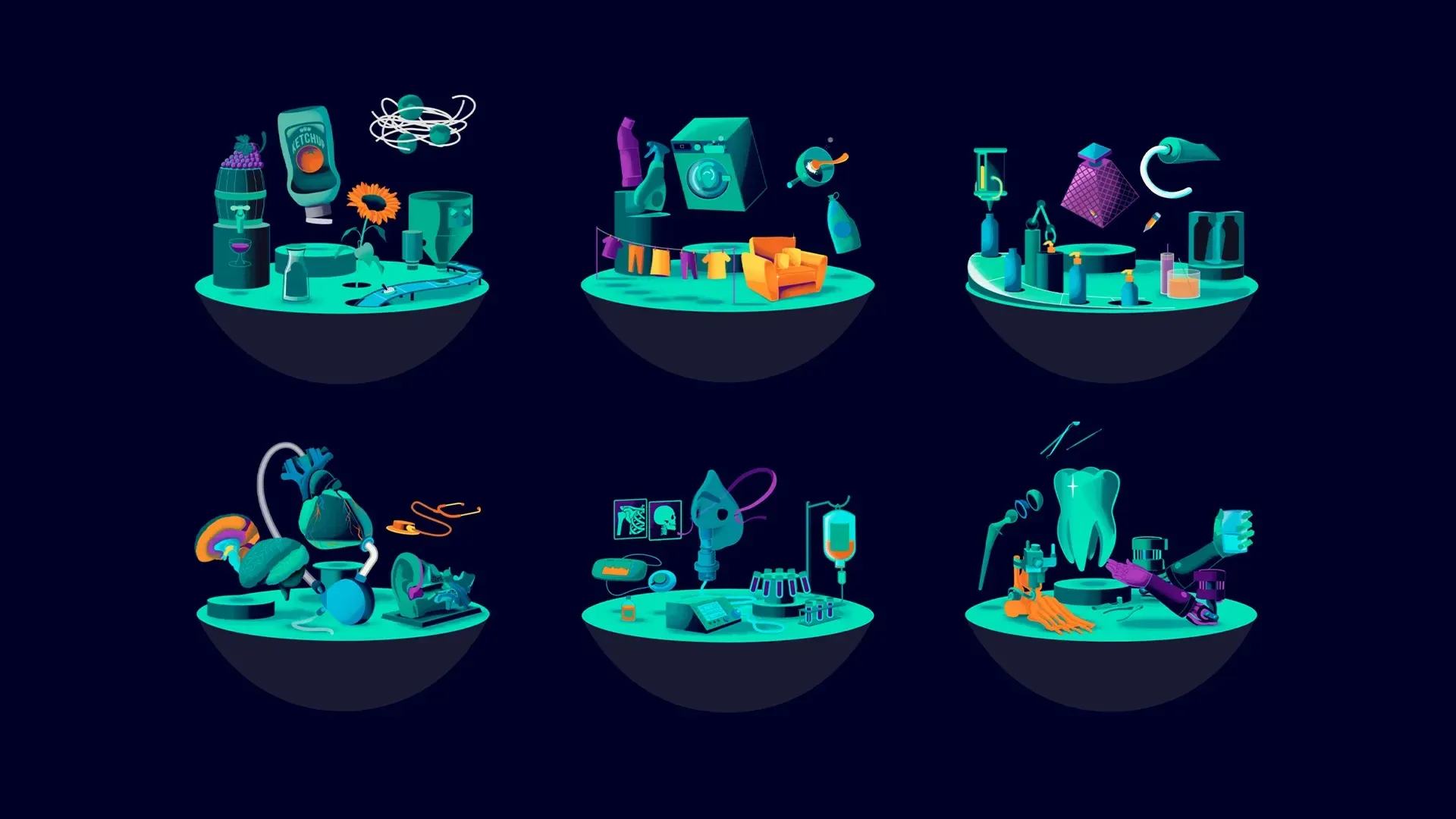
For IBM, complex innovations were reframed through familiar objects, places and everyday experiences. The resulting story nuggets helped employees communicate the company's real-world impact in a concise, memorable and shareable form across a website, social channels, YouTube, internal communications and events. This approach made technical knowledge easier to understand without reducing the work to a sales claim.

Sources: This is IBM: Brand Awareness Campaign

Give a complex buying group different ways into the story

A complex B2B audience is rarely one audience. Engineers may need technical detail, while senior business decision-makers may need a concise explanation of relevance, business outcomes and risk. A single linear document can overwhelm one group while underserving the other. Content should therefore allow people to choose the level of depth, language and framing that fits their role.

For Siemens Digital Industries Software, technical documentation became an interactive content journey. Accessible entry points were organised around campaign themes, then led users either to detailed technical papers or simplified executive summaries. The experience focused on real-world challenges and pain points before allowing readers to explore the supporting detail. This creates a route for both technical specialists and business leaders to engage with the same underlying expertise.

Sources: Siemens: Bringing New Dimensions to White Papers, How to Inspire Decision-Makers to Be Bold

Use proof to make expert content credible

Expert-led content should show how a company thinks and what it knows, not simply assert that it is innovative. Credibility comes from a clear point of view, grounded research, practical interpretation and examples that connect technical capability to a recognisable challenge. It also depends on being honest about what an audience needs to understand, rather than stretching a claim to create a more dramatic message.

UST's Boundless Thinkers series gave innovators within UST and the wider industry a platform to tackle current questions and interrogate future challenges. Alongside client-partnership stories, the programme was designed to show rather than tell what boundless impact meant. This combination connected a consistent campaign message with visible expertise, industry discussion and examples of work in practice.

Sources: UST: Building a brand for boundless impact, Faking bad: why marketers need to maintain standards in a post-truth world

Reposition capability by showing what it enables

A business known for one product category or legacy strength can broaden perceptions by shifting the story from what it makes to what it enables. The new narrative must retain technical credibility while making the wider relevance clear to customers, business leaders and future audiences. Organising communications around customer challenges and industry needs can help establish that broader role without asking audiences to abandon what they already know.

Tata Technologies had a strong automotive engineering heritage, while its work had expanded into digital transformation, product development and end-to-end engineering solutions across industries. Its repositioning reframed engineering as a force for progress and focused on human outcomes at scale. The website then organised content around customer challenges and industry needs rather than service listings, creating clearer pathways to its broader proposition.

Sources: Tata Technologies: Re-engineering for a better future

Stats

FAQs

What makes B2B expertise sound like a sales pitch?

B2B expertise sounds like a sales pitch when it starts and ends with product claims rather than helping the audience understand a relevant problem. Make technical capability useful by connecting it to real-world challenges, explaining what it enables and preserving enough detail for specialist readers. Clear, honest communication is more credible than overstating a benefit.

What makes content useful to a complex buying group?

Content is useful to a complex buying group when it gives different audiences an appropriate route into the same story. Business leaders may need relevance and outcomes first, while technical experts may need supporting depth. Layered content lets each audience choose how far to explore without forcing everyone through the same document.

How does B2B content reach hidden buyers?

B2B content can reach hidden buyers by making expertise easy to understand, remember and share beyond formal sales materials. Stories that connect technical work to familiar experiences can travel through employee communications, social channels, websites and events. A consistent narrative across touchpoints gives more people a way to encounter and communicate the company's relevance.

What should expert content lead B2B buyers to do?

Expert content should lead B2B buyers to understand why an issue matters and take the next relevant step, such as exploring a deeper technical paper or executive summary. It should create a clear path from a buyer challenge to supporting evidence and capability. Content organised around customer needs can make that path more direct than content organised around service lists.

Which content format suits a complex B2B decision?

A layered digital experience can suit a complex B2B decision because it provides accessible entry points while retaining detailed technical material. Rather than requiring every reader to work through a static, linear white paper, it lets users select the depth most relevant to their role. It can combine concise business framing with detailed papers, visuals and interactive exploration.

Why do buyers ignore polished B2B content?

Buyers may ignore polished B2B content when it does not address a relevant challenge, offers no useful interpretation or asks them to work through technical detail before explaining its value. A visually polished format cannot compensate for unclear audience relevance. Stronger content is grounded in research, tailored to audience understanding and clear about what the reader needs to know.

How do I plan research-led B2B content?

Plan content around a validated audience challenge, a clear story of relevance and routes to the depth each reader needs.

  1. Validate the challenge

    Start by testing the brief against audience expectations, stakeholder perspectives and the wider market context. Identify the real challenge the content needs to address, not just the requested asset or channel. Use that understanding to establish a strategic foundation before developing creative work.

  2. Translate expertise into relevance

    Frame technical knowledge around the real-world challenges and outcomes that matter to the audience. Explain what the capability enables before asking readers to absorb detailed specifications. Use clear language that retains technical credibility while making the value understandable.

  3. Design for different depths

    Create accessible entry points for readers who need a quick understanding of relevance, then provide routes to detailed evidence for specialists. Let business and technical audiences control how deeply they explore the subject. Carry the same consistent story across the channels where people will encounter and share it.