How do I make a growing company look as capable as its strategy?

Make the identity reflect the business you are becoming, not simply the business people already recognise. Start with a clear positioning and narrative, then build a practical system of verbal, visual and operational assets that teams can use consistently. Protect valuable existing associations while giving customers, employees and investors clear proof of broader capability.

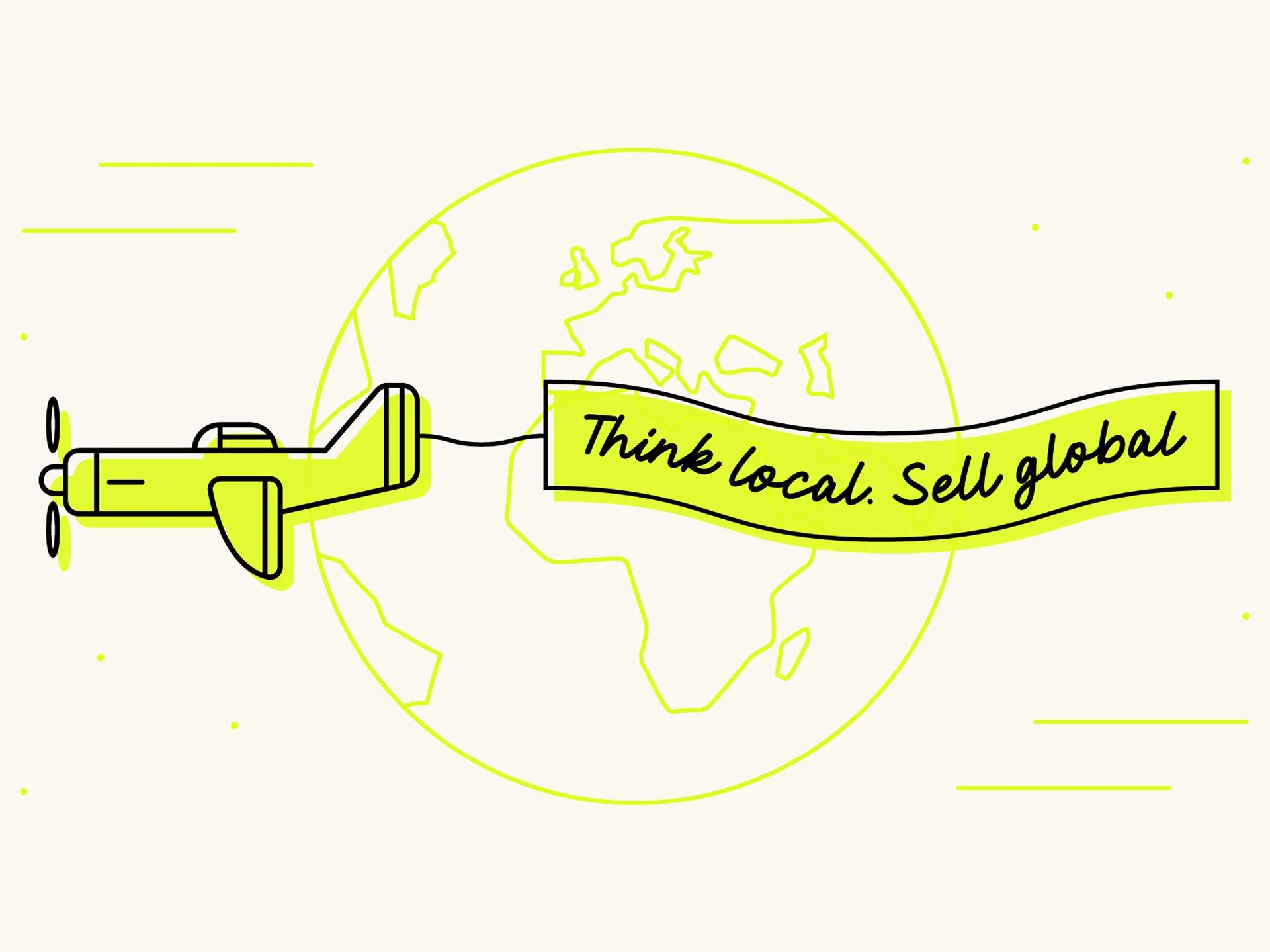
Illustration of an airplane pulling a banner across a globe with the text, Think local. Sell global.

Build the identity around the capability you need people to recognise

A growing company can look less capable than its strategy when its story, identity and customer experience still reflect an earlier stage of the business. The starting point is to identify the gap between what the organisation does now, what it intends to become and what audiences currently understand. Tata Technologies faced this issue when its automotive heritage limited perceptions of its broader digital transformation, product development and engineering capabilities. Its repositioning focused on what the business enabled for customers, rather than only what it made.

A useful identity system combines a clear narrative with visual and verbal expressions that make complex capabilities easier to understand. This is more than a new logo or palette. Brand is also shaped through communication, culture, behaviour, tone and service across every audience touchpoint. The aim is a cohesive experience that makes the intended position credible in practice.

Sources: Tata Technologies: Re-engineering for a better future, Strategy is complex, but winning brands keep it simple

Turn the identity into a usable system for growing teams

An identity needs to work where teams actually communicate: presentations, product materials, websites, campaigns, events and day-to-day content. Sony TEOS needed both clearer messaging and a visual framework for a B2B workplace-solutions offer. Its identity was carried through PowerPoint templates, product brochures and splash screens, giving teams practical assets for key communications.

For Teledyne Healthcare, the system paired flexible message formats with visual devices, bespoke assets and usage guidance. That allowed the in-house team to create fresh content at speed while staying on brand. A scalable system therefore needs more than design components. It needs clear rules, adaptable formats and assets that help distributed teams apply the central idea without recreating it from scratch. This gives growth teams consistency without reducing their ability to communicate specific products, audiences or needs.

Sources: Sony TEOS: Brand Identity, Teledyne Healthcare: Storytelling for Life-Changing Brands

Refresh familiar associations without losing the value they hold

A rebrand should not assume that familiar associations are a problem. Established companies often need to retain the confidence, heritage and recognition that audiences already value, while changing the parts of the identity that constrain future relevance. Price Forbes consolidated four brands under one name and needed an identity that respected more than a century of specialist-broking heritage while presenting a more innovative and optimistic future. Its verbal and visual identity balanced classic and modern cues rather than discarding its past.

The transition also matters. Following a management buyout, First Names Group used employee and stakeholder interviews to shape a unifying vision, then coordinated the launch so employees in every location encountered the new brand at the same time. A managed rollout across internal and external assets can help people understand what has changed, what remains true and why the new identity matters.

Sources: Price Forbes: A bold brand for a new era of insurance, First Names Group: total rebrand

Keep a central framework, then adapt it for local markets

Growing international businesses need consistency, but identical communications can fail when local audiences differ in culture, language, market maturity or expectations. A central team can provide strategic direction, core messages and quality control, while local teams adapt the work for their markets. The objective is not to choose centralisation or localisation. It is to create an informed central framework that can be tailored for specific locations.

Local market knowledge should contribute to the framework from the beginning, rather than appearing only at the final approval stage. Transparent workflows can help central and regional teams see the campaign strategy and track local adaptations. Social listening and regional research can also test whether a central concept uses the right language and emphasis in each market. This approach preserves a recognisable brand while making communications more relevant to the audiences they need to reach.

Sources: Why Marketers Need to Think Local to Sell Global

Stats

In a 2025 survey of more than 1,250 marketing and communications executives and business decision-makers, brand personality, market positioning and customer experience were the three leading elements of brand equity.

Bloomberg Media

A 2025 Bloomberg Media study found that 27% of respondents said corporate reputation significantly affects rankings, ratings and media visibility.

Bloomberg Media

Forrester reported in 2025 that 82% of B2B buyers trust coworkers and management, while 79% trust vendors they currently work with.

Forrester

FAQs

What makes a rebrand lose customer trust?

A rebrand can lose trust when it removes familiar signals without explaining the business value behind the change, or when the new promise is not reflected in how the company behaves and communicates. Protect the parts of the existing reputation that audiences value, then make the future direction clear through a coherent verbal, visual and customer experience. Price Forbes retained its heritage while updating how it presented its future-facing ambitions.

What makes a B2B brand feel credible?

A B2B brand feels credible when its positioning, language and identity accurately express capabilities that the business can demonstrate. Clear messaging should translate complex expertise into relevant customer outcomes, while the assets and experiences should reinforce the same promise across touchpoints. Tata Technologies used its repositioning to make its technical depth and human-centric purpose easier to understand.

How do I tell if a rebrand is worth the cost?

A rebrand is worth assessing when the current identity prevents audiences from understanding the company's actual capabilities, intended position or combined offer. Consider whether clearer messaging alone can solve the problem, or whether teams also need a new narrative, visual system and practical assets across key touchpoints. Sony TEOS required both messaging and visual frameworks because the offer needed a coherent B2B presence across communications.

What keeps a brand consistent across growing teams?

Brand consistency comes from a central framework that gives teams clear messages, adaptable assets and guidance for applying them. For international teams, consistency should allow local adaptation rather than requiring identical communications in every market. Transparent workflows, local market input and usage guidance help teams maintain quality while tailoring material to their audiences.

How do I build a brand identity system for growing teams?

Create a system that connects your intended market position to practical assets teams can use across channels and markets.

  1. Define the position

    Identify the capability, audience need and future role the identity must communicate. Distinguish between the existing associations worth retaining and the perceptions that now limit the business. Use that distinction to create a clear narrative before developing visual expressions.

  2. Create adaptable assets

    Build verbal and visual components that work in the communications teams use most often, such as presentations, websites, brochures and campaign materials. Include flexible message formats and recognisable design devices, not only fixed artwork. Make the system practical enough for teams to create new content without losing the core idea.

  3. Set guidance for rollout and adaptation

    Provide usage guidance and a coordinated rollout so teams understand how the new identity applies to their work. In international markets, invite local input and allow tailored execution within the central framework. Review whether the resulting communications remain clear, relevant and consistent for each audience.