What should we keep when combining brands after a merger?

Keep the brand elements that carry credible heritage, clear customer meaning and a useful link between the combined businesses. Retain what helps people recognise the organisation, but update the narrative, identity and portfolio structure where they no longer reflect its ambition. Employee and stakeholder input can identify what is worth preserving and what needs to change.

Retain recognition, then clarify the future

A merger does not automatically require a completely new brand. The decision is whether existing names, heritage and associations help people understand the combined organisation or make its offer harder to interpret. Price Forbes consolidated four brands under one established name while seeking to retain the pride and panache of its history. Its new direction balanced that heritage with a more optimistic, future-facing identity and narrative.

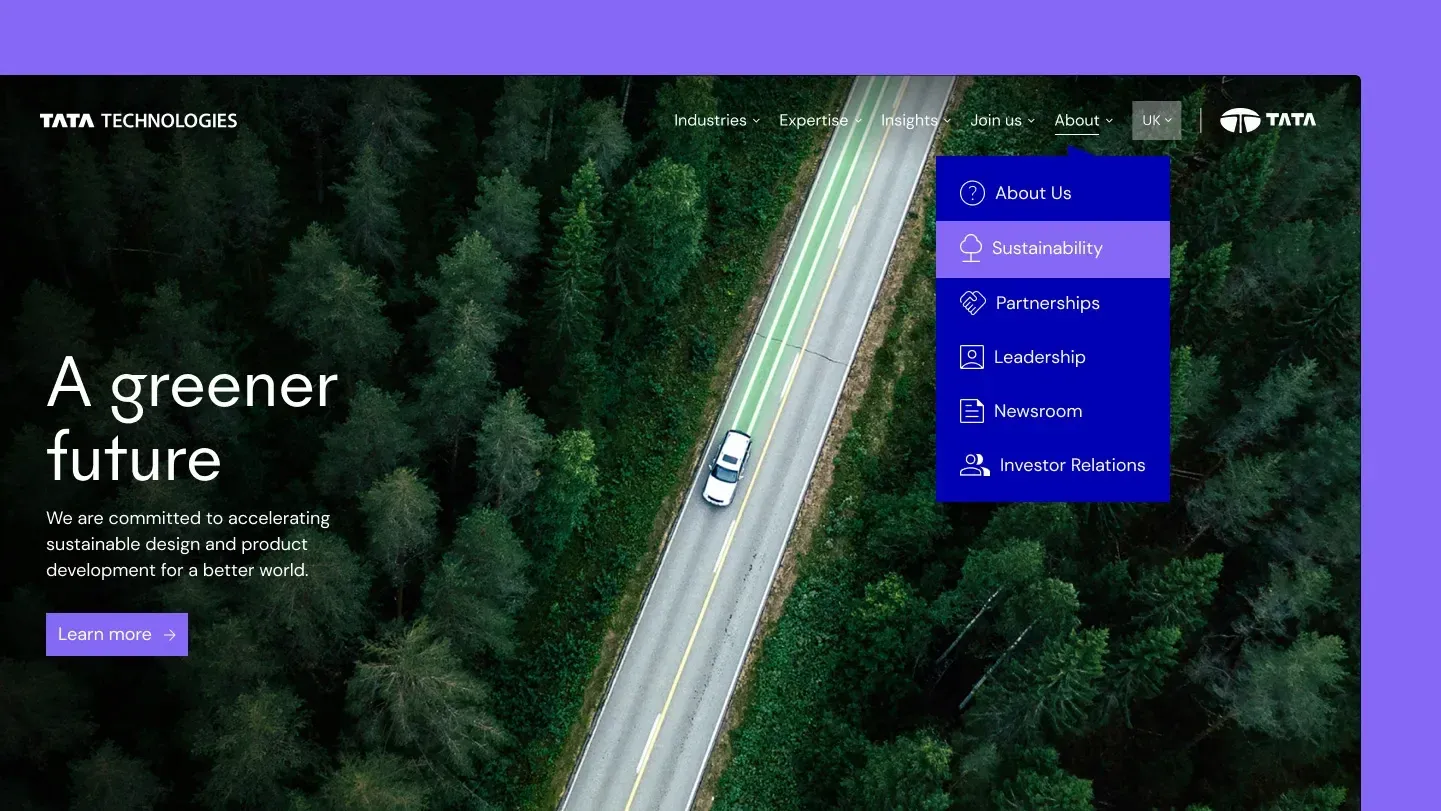
The practical test is whether the retained brand can credibly represent the wider business. Where it can, preserve recognisable elements that provide continuity, then use the brand platform, verbal identity and visual system to explain the new ambition. Where legacy perceptions limit understanding of broader capabilities, the organisation may need a clearer narrative or more substantial identity change, as Tata Technologies did when shifting perceptions beyond automotive engineering.

Sources: Price Forbes: A bold brand for a new era of insurance, Tata Technologies: Re-engineering for a better future

Use stakeholder insight to decide what changes

Brand combination decisions should start with the people who must understand and use the result. For Inver Re, stakeholder discussions helped establish how a new reinsurance brand would fit within The Ardonagh Group portfolio, how it should be perceived and the market gap it would address. That work identified a parent-company foundation worth retaining, which informed a new name with a connection to Ardonagh's heritage.

Employee involvement should inform the direction without making every participant a decision-maker. In the Price Forbes rebrand within Ardonagh Specialty, employees were included in the research phase and received materials explaining why the approach had been chosen and how they contributed to the future vision. This combines useful insight with a clear rationale, helping teams understand both the purpose of the change and their role in making it real.

Sources: Inver Re: A New Player in Reinsurance, The inside story: why your people shouldn't be just passengers on your brand journey

Give employees a role in the transition

Employees can reveal whether a proposed combined brand is meaningful in day-to-day work, especially when teams have different histories, locations or ways of describing the business. Direct engagement also creates an opportunity to explain why the change is happening and to hear concerns before launch. This matters because a rebrand can otherwise feel like an abstract management project rather than a direction people can support.

First Names Group illustrates a people-led approach following a management buyout. Interviews with employees and stakeholders established that trust and confidence in its people were central to the business. The resulting identity used employees' first names as a visual language, while the launch was coordinated so employees in each location discovered the new brand at the same time. The former Group Head of Marketing and Communications said stakeholders across locations were engaged throughout the process.

Sources: First Names Group: total rebrand, The inside story: why your people shouldn't be just passengers on your brand journey

Stats

A 2025 cross-cultural naming study tested 446 participants in Türkiye and Azerbaijan and found that name effectiveness varied by product category and cultural-linguistic context.

Journal of Consumer Marketing

FAQs

What makes customers lose trust after a name change?

Customers can lose trust when a name change removes familiar meaning without clearly explaining what remains the same and what has improved. A combined brand needs a credible connection to the organisation's history, capabilities and future role, rather than a change that appears disconnected from the business. Price Forbes retained its heritage while using a new narrative and identity to signal a more forward-looking direction.

What can make a new name fail in another market?

A new name can fail when its meaning, sound or associations do not work across the categories, languages and cultures where it will be used. Naming decisions should therefore account for international appeal and local interpretation rather than relying only on internal preference. Inver Re was developed to tell a clear story while having international appeal, and cross-cultural research indicates that naming effects vary by cultural-linguistic context and product category.

Why do employees reject a new brand?

Employees may reject a new brand when they do not understand why the change is needed, how it affects their work or whether their concerns have been heard. Involving employees in research and explaining the rationale can turn a change from an imposed management exercise into a shared direction. Price Forbes involved employees in research and created materials explaining both the approach and their importance to the brand's future.

Where does a visual refresh fail to set a brand apart?

A visual refresh can fail when it changes surface appearance without expressing a distinctive proposition or resolving outdated perceptions. The identity needs to reinforce a clear idea about what the organisation stands for and where it is going. Tata Technologies paired a refreshed visual identity with a narrative that reframed engineering around human outcomes and real-world impact.

What does involving employees in naming slow down?

Involving employees in naming can slow the process when participation is treated as a requirement for universal agreement rather than a structured way to gather insight, concerns and practical input. The aim is to engage people in research and explanation while retaining clear ownership of final decisions. First Names Group engaged stakeholders across locations, while its launch was carefully coordinated for a shared reveal.

How do I combine brands after a merger?

Use a structured assessment of heritage, stakeholder understanding and future ambition to decide what to retain and what to change.

  1. Map what each brand contributes

    Identify the names, associations, capabilities and heritage that each brand brings to the combined organisation. Focus on elements that help customers and employees understand the offer, rather than retaining assets only because they are familiar.

  2. Test the future direction

    Speak with employees, stakeholders and relevant audiences to understand how the brands are perceived and what the combined business needs to represent. Use the findings to determine whether an existing name can stretch to the new ambition or requires a clearer narrative or identity.

  3. Explain the decision consistently

    Set out what has been retained, what has changed and why the new direction matters. Give employees the materials and context needed to apply the brand in their work, then coordinate the transition across locations and touchpoints.