How do I get onto early shortlists beyond our flagship product?

Build recognition for the organisation behind the flagship product by making its broader expertise, customer value and real-world impact clear. Test whether buyers associate the business with the desired capabilities, then use a consistent story across content, campaigns and customer touchpoints. Credibility comes from specific proof, not broader claims alone.

Make the organisation behind the product easier to understand

A flagship product can create recognition while obscuring the wider organisation. Teledyne e2v was strongly associated with magnetron technology, but wanted to expand its products and services by building recognition for its broader expertise. Its response was a brand platform that retained the technical grounding of the business while moving away from specialist language and providing a flexible basis for messaging, campaigns and content.

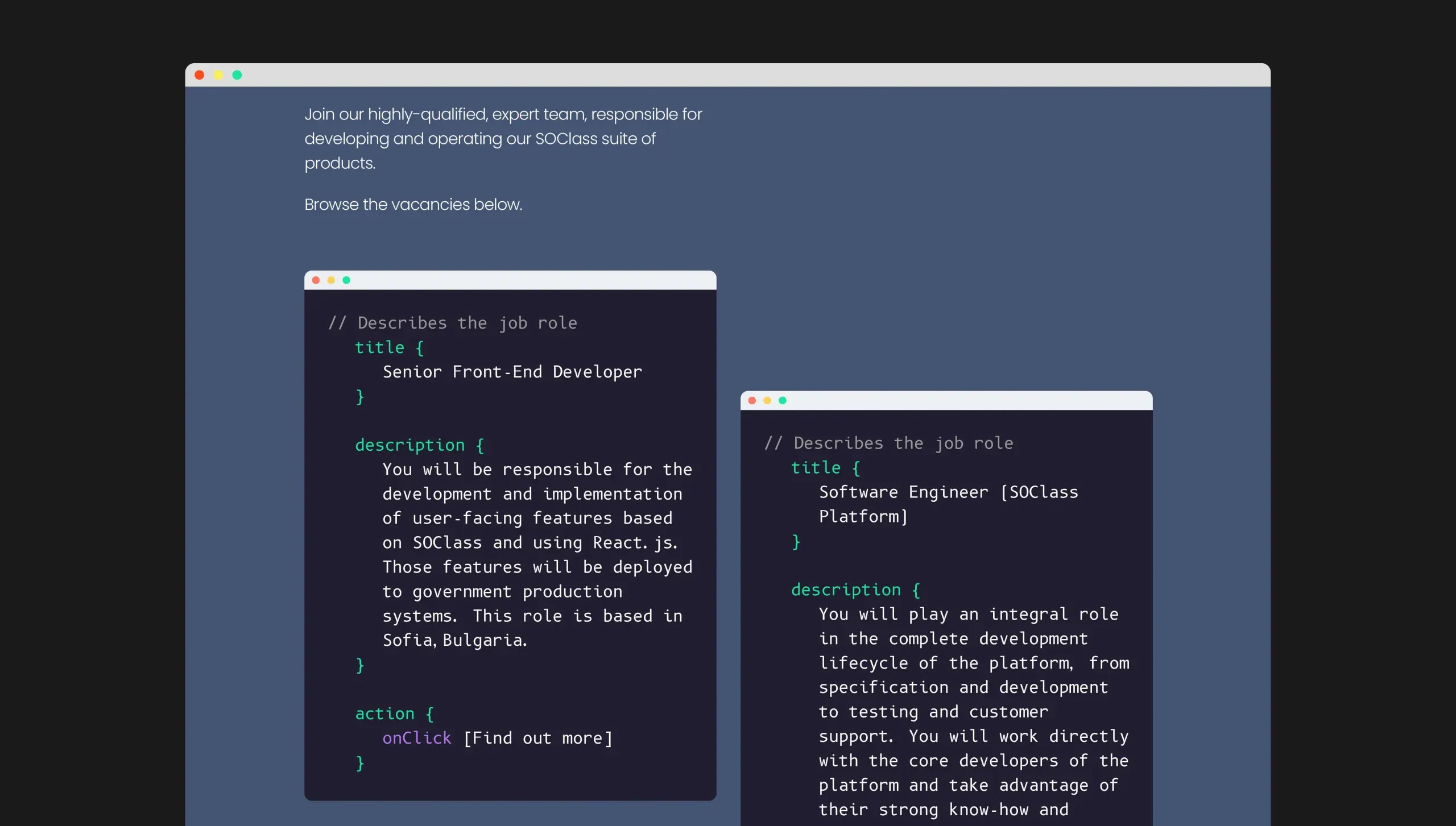
The same issue affected Strategy Object. Its SOClass platform was widely respected, while the company behind it was comparatively invisible. The work brought the platform and organisation together under a shared purpose, helping communicate the company's expertise, innovation and role in global trade. A broader story should therefore connect known products to the capabilities, expertise and outcomes that make the wider offer relevant.

Sources: Teledyne e2v: Brand recognition campaign, brand expression and visual identity, Strategy Object: An identity built on international trade

Translate technical depth into customer and human value

A broader offer feels credible when it explains what technical capability enables, rather than replacing technical substance with vague purpose. Tata Technologies shifted its narrative from engineering systems and machines to the business and human outcomes its engineering could help create. Its website then organised content around customer challenges and industry needs rather than service listings.

Teledyne Healthcare took a similar approach by uniting separate technology businesses through the patient journey. Its messaging connected technical solutions with partnership, healthcare advances and patient scenarios. This approach gives nontechnical audiences a route into complex expertise while preserving the proof points that matter to technical stakeholders. The story should make the link between capability, customer challenge and meaningful outcome explicit.

Sources: Tata Technologies: Re-engineering for a better future, Teledyne Healthcare: Storytelling for Life-Changing Brands

Test the story with the people who shape consideration

Brand research should establish whether external audiences understand the organisation's intended position, not simply whether they recognise its name. For Yokogawa, stakeholder interviews, a global quantitative survey across four markets, competitor research and desk research tested whether an existing platform could carry a stronger sustainability meaning. The work identified that customers wanted a partner with a clear vision on sustainability and that the existing idea had room to stretch.

For complex technology businesses, this means testing the narrative with audiences that need to understand, explain or advocate for the organisation. Look for whether they can describe the broader offer, distinguish it from alternatives and connect it to their own priorities. Use the findings to refine the story before scaling it through brand communications.

Sources: Research and insights

Measure changed associations, not awareness alone

Awareness can indicate reach, but it does not establish whether buyers now understand the wider organisation or prefer it for a broader set of needs. Measure the associations audiences hold before and after the work, including the capabilities they connect with the brand, whether they understand its relevance beyond the flagship product, and whether the organisation has become more distinct and credible.

Campaign metrics can complement this perception work. UST's Boundless campaign reported more than one million video views, a 60% year-on-year increase in website traffic and 30% year-on-year growth in LinkedIn followers. These are useful indicators of visibility and engagement, but they should be paired with audience research when the goal is to prove changes in understanding, reputation or consideration.

Sources: UST: Building a brand for boundless impact

FAQs

What gets a supplier onto early shortlists in a new market?

A supplier needs to be recognisable for a relevant capability and able to explain why that capability matters to the buyer's challenge. A clear brand platform can connect established technical expertise with a broader story of innovation, delivery and customer value. The story should work consistently in messaging, campaigns, content and events.

What makes hidden buyers trust a supplier's story?

Hidden buyers are more likely to trust a story when it is specific about the problem, the expertise involved and the outcome enabled. Technical claims should be translated into clear customer value without losing their grounding in real capabilities. A coherent narrative that connects technology to practical or human impact gives internal stakeholders language they can use to understand and discuss the supplier.

How do I tell whether a new brand story is changing buyer views?

Measure whether target audiences now associate the organisation with the intended capabilities, value and areas of relevance. Combine stakeholder interviews and quantitative research with competitor and desk research to identify gaps between the intended position and market perception. Compare the findings over time rather than relying on awareness or engagement metrics alone.

What makes a broader offer feel credible to nontechnical buyers?

A broader offer feels credible when it starts with customer challenges and shows how technical capability enables a meaningful outcome. Use clear, concrete messages that preserve technical proof while explaining the business, operational or human relevance. Content organised around industry needs, use cases and outcomes can make complex expertise easier to understand.

How do I build a brand story for a broader offer?

Create a story that connects established expertise to the wider value your organisation can deliver.

  1. Find the perception gap

    Research what customers, stakeholders and relevant audiences currently associate with the organisation. Identify where recognition is limited to a product, legacy capability or narrow technical category, and where the wider offer is not understood.

  2. Define the value connection

    Connect technical expertise to the customer challenges it helps address and the outcomes it enables. Keep the story grounded in real capabilities, while using language that nontechnical audiences can understand and repeat.

  3. Apply and test the story

    Use the narrative consistently across content, campaigns, digital experiences and customer touchpoints. Test whether audiences can describe the broader offer, distinguish it from alternatives and recognise its relevance to their needs.