How should audience research shape our brand strategy?

Audience research should test the assumptions behind your brief and guide decisions about positioning, messaging and creative expression. Investigate what audiences need, how they perceive the business and what information helps them understand its value. Ask for a clear connection between each important finding and the brand decision it informed.

Ask what the research changed

Audience research should lead to identifiable brand decisions, not stop at a presentation of findings. Ask a consultancy to explain the connection between what it learned, the strategic interpretation and the resulting messaging or creative direction. Distinguish that explanation from claims about commercial results.

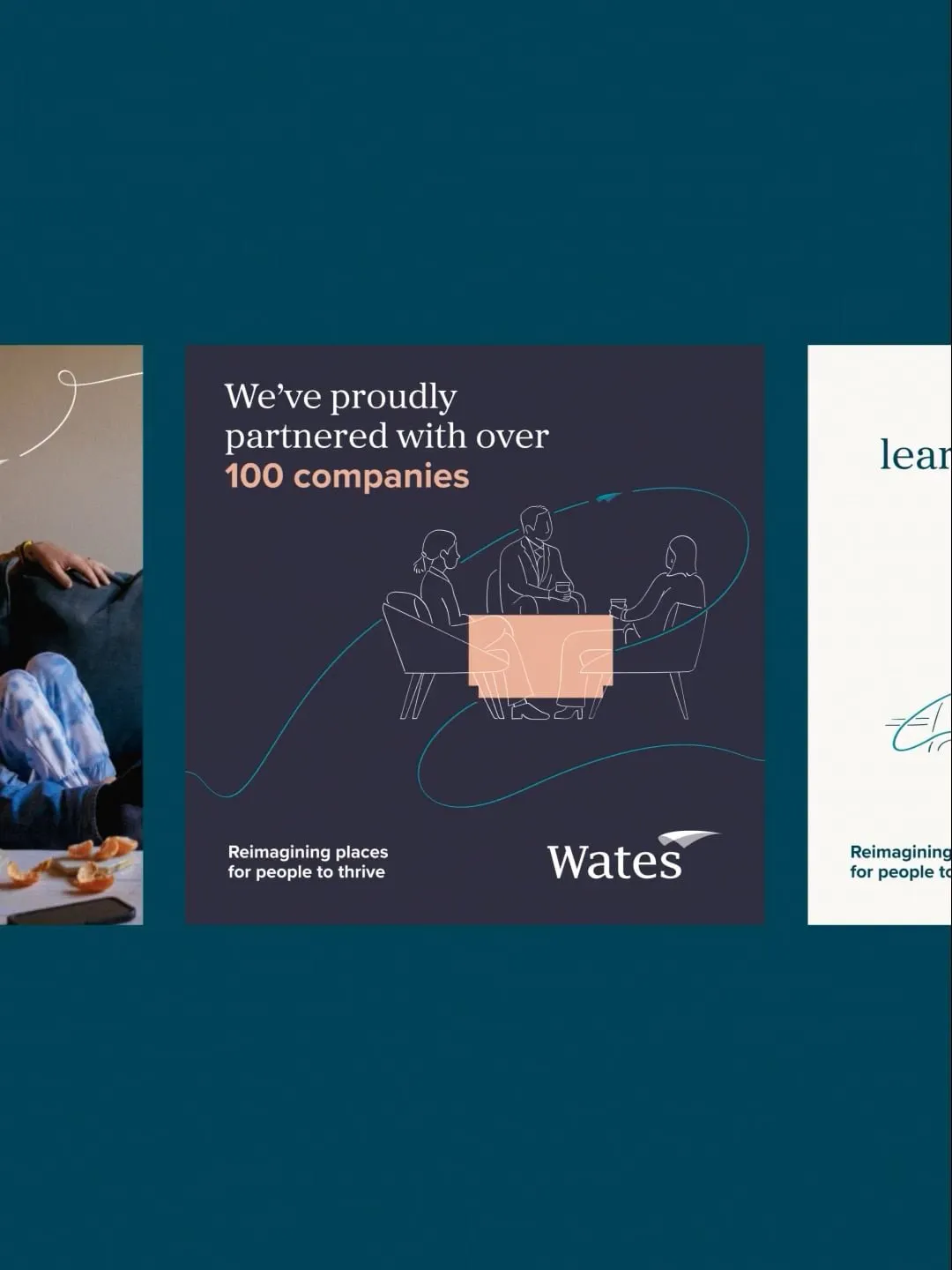
For Wates, stakeholder workshops and research identified that the business creates environments where people can achieve their ambitions. That finding affirmed its purpose, "Reimagining places for people to thrive", and informed a messaging framework built around the power of reimagining, how we thrive and being grounded. Photography, illustration and a brand film then expressed that purpose.

For Genius Sports, research into changing fan engagement informed the "Built on Genius" campaign concept. Its layered visual approach expressed the ripple effect of sports data across different audiences. Both examples connect an audience insight to a specific creative choice.

Sources: Wates: Reimagining a Brand with Purpose, Genius Sports: Delivering with data, powered by passion

Test the brief against audience perceptions

Research can reveal a gap between what a business does and what its audience recognises. That gap is a useful reason to reconsider the emphasis of a rebrand brief: the task may require clearer positioning and storytelling, rather than a visual refresh alone.

Strategy Object illustrates this distinction. Research found that its SOClass platform was widely respected while the company behind it remained largely invisible. Stakeholder interviews and audience research identified its contribution to collaboration, innovation and trust between governments. The resulting strategy united the platform and organisation, while the identity drew on developer culture.

Tata Technologies faced a different perception gap. Its automotive heritage overshadowed broader capabilities. Research and stakeholder conversations informed a shift from what the company makes to what it enables, shaping a human-centric narrative and website content organised around customer challenges and industry needs.

Sources: Strategy Object: An identity built on international trade, Tata Technologies: Re-engineering for a better future

Investigate needs beyond job titles

Audience understanding should include practical challenges, reasons to care and the depth of information people need. Job titles alone do not explain how someone will engage with a complex proposition. Conversations with sellers and people who know the audience can help challenge assumptions about technical knowledge and preferred content.

For Siemens Digital Industries Software, research identified an audience spectrum from technical engineers to senior executives focused on business outcomes. The communication problem was not simply choosing between technical detail and simplified messaging. Different readers needed different entry points, language and levels of depth.

The resulting interactive experience organised content around real-world challenges and allowed readers to choose detailed technical papers or executive summaries. This shows how audience findings can shape the content experience as well as the words: establish relevance first, then make the appropriate depth available.

Sources: Humanising B2B and leading with empathy, Siemens: Bringing New Dimensions to White Papers

Treat stakeholder views as input, not the conclusion

Stakeholder interviews help uncover the business's expertise, ambitions and understanding of its audiences. They should sit alongside audience research, rather than become a substitute for it. Start with a genuine question and choose interviews, workshops, quantitative surveys or direct engagement according to what needs to be understood.

In Strategy Object's work, stakeholder interviews and audience research together identified a direction rooted in both the company's contribution and its users' developer culture. For Tata Technologies, research and stakeholder conversations informed a narrative that balanced technical credibility with human outcomes.

When internal views differ, ask which proposed direction is supported by audience needs and perceptions, and where further investigation is necessary. These projects illustrate how internal and external understanding can inform positioning; they do not establish a formal voting or conflict-resolution method for leadership disagreements.

Sources: Research and insights, Strategy Object: An identity built on international trade, Tata Technologies: Re-engineering for a better future

FAQs

Which research methods should inform our brand strategy?

Choose research methods according to the question your brand strategy needs to answer, using interviews, workshops, quantitative surveys and direct engagement where appropriate. Stakeholder conversations can explore the business's ambitions, while audience research investigates needs and perceptions. For work spanning markets, local team knowledge and social listening can help assess how a central message needs to adapt.

What should we learn about our audience before a rebrand?

Learn how audiences perceive the business, what practical challenges matter to them and what level of explanation they need. Strategy Object's research revealed that its respected SOClass platform overshadowed the company behind it, informing a strategy that brought them together. For Siemens Digital Industries Software, differences in audience expertise and priorities informed a layered content experience with technical papers and executive summaries.

How should stakeholder interviews inform our brand positioning?

Stakeholder interviews should inform brand positioning by uncovering business strengths and ambitions that can be considered alongside audience needs and perceptions. For Strategy Object, stakeholder interviews and audience research identified its role in enabling collaboration, innovation and trust between governments, shaping a position connected to its developer community. Ask how the proposed positioning follows from both internal understanding and audience findings, rather than treating seniority or strength of opinion as sufficient justification.